Enhancing Sports and Recreational Experiences through Maintaining Water Quality
- Published:
- Updated: December 26, 2024
Listen to this article
Summary
Maintaining water quality is essential for enhancing sports and recreational experiences, ensuring safety and enjoyment. Steps include regular testing, proper treatment, circulation, and pollution control. Innovations like UV and ozone treatment systems improve water quality. Environmental concerns, such as climate change and pollution, impact water quality, necessitating best practices and government intervention in promoting and enforcing standards.

Many sports and recreational activities are built around water and water quality is key to making those experiences a good one. Sports and recreation opportunities are better when water quality is high; so proactively managing water — testing and treatment, monitoring and repair. The safer and contaminate-free water available for sports and recreation the better we can all participate in activities that are safe and enjoyable for us all. Whether you are an elite swimmer or a casual swimmer, water quality can’t be underrated because it is key to health, safety and enjoyment in all aquatic activities.
Importance of Water Quality in Sports and Recreation
Water quality matters for sports and recreation because it has direct consequences for health and safety of users. Poor water quality has all kinds of negative health effects, from skin irritation to eye infections to severe diseases like gastrointestinal problems. This is especially true for children and those with weak immune systems, who are more vulnerable to these kinds of diseases.
And water quality should also be taken care of for safety reasons. Bad water can make the play area slippery and dangerous and it can make it harder for people to do their thing safely. More seriously, poor water quality can lead to recreational facilities being closed and all of that fun is ended.
What steps can be taken to maintain water quality in swimming pools, lakes, and oceans?

Maintaining water quality in swimming pools, lakes, and oceans is important for ensuring that these bodies of water are safe and enjoyable for recreation and other activities. There are several steps that can be taken to maintain water quality in these bodies of water, including:
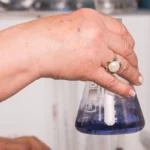
- Regular testing: Regular testing of the water in swimming pools, lakes, and oceans is important for monitoring its quality and for detecting any changes in water chemistry. This can help to identify any potential issues early on and to take steps to address them.
- Proper treatment: Proper treatment of the water in swimming pools, lakes, and oceans is important for maintaining its quality and for preventing the growth of harmful bacteria and other pathogens. This can include adding chemicals, such as chlorine or other disinfectants, to the water to kill pathogens, or using other methods of water treatment.
- Proper circulation: Proper circulation of the water in swimming pools, lakes, and oceans is important for ensuring that the water is well-mixed and that any contaminants are effectively diluted. This can help to prevent the buildup of harmful substances and to maintain water quality.
- Monitoring and controlling pollution: Monitoring and controlling pollution is important for preventing contamination of the water in swimming pools, lakes, and oceans. This can include measures such as reducing runoff from agricultural fields, improving wastewater treatment, and controlling the discharge of pollutants from industrial facilities.
- Monitoring and controlling overuse: Monitoring and controlling overuse is important for preventing the depletion of water resources and for ensuring that water quality is maintained in lakes, rivers, and other bodies of water. This can include measures such as reducing water usage through conservation, implementing water-saving technologies, and controlling the extraction of water for commercial or industrial purposes.
By taking these steps to maintain water quality in swimming pools, lakes, and oceans, it is possible to ensure that these bodies of water are safe and enjoyable for recreation and other activities. This can help to support healthy, sustainable communities and to ensure that everyone has access to clean and safe bodies of water.
Innovations in Water Treatment Technology for Sports and Recreation
In recent years, there have been numerous innovations in water treatment technology that are specifically designed for sports and recreational facilities. These technologies allow for more effective and efficient treatment of water, resulting in cleaner, safer, and better quality water for participants.
For example, UV water treatment systems use ultraviolet light to kill bacteria and other harmful microorganisms, making the water safer for participants. Ozone treatment systems, on the other hand, use ozone gas to sanitize the water, resulting in a more natural and eco-friendly alternative to traditional chemical treatments.
Environmental Concerns and the Impact on Water Quality in Recreational Areas
Water quality in recreational areas is also impacted by environmental concerns, such as climate change and pollution. Rising temperatures, for example, can lead to the growth of harmful algae in bodies of water, making it unsafe for recreational activities. Similarly, pollution from nearby farms, industrial facilities, and urban runoff can introduce harmful chemicals into the water, impacting water quality and safety.
It’s essential to address these environmental concerns to maintain water quality in recreational areas and ensure that participants are able to enjoy their activities safely. This includes implementing best practices for managing water in sports and recreational facilities, as well as advocating for stronger environmental protections and regulations to prevent pollution and other environmental hazards.
What are the best practices for managing water quality in sports and recreational facilities?
Maintaining water quality in sports and recreational facilities requires a combination of regular testing and treatment, along with best practices for water management. Some of the best practices for managing water quality in these facilities include:
- Regular testing and monitoring of water quality: This includes regular testing of pH and chlorine levels, as well as other factors that can impact water quality and safety.
- Implementing effective water treatment systems: This includes the use of UV or ozone treatment systems, as well as other innovative technologies that can effectively sanitize the water and keep it clean and safe.
- Proper maintenance and cleaning of facilities: This includes regular cleaning and maintenance of pools, lakes, and other recreational areas to prevent contamination and maintain water quality.
- Addressing environmental concerns: This includes advocating for stronger environmental protections and regulations, as well as implementing best practices for managing water in sports and recreational facilities to prevent pollution and other environmental hazards.
- Promoting education and awareness: This includes educating the public about the importance of water quality in sports and recreation, as well as promoting best practices for maintaining water quality and safety.
The Role of Government and Organizations in Promoting and Enforcing Water Quality Standards in Sports and Recreation
Governments and agencies must ensure that the promotion and enforcement of water quality standards in sports and recreation allow participants to participate in their activity safely. This includes establishing and maintaining water quality standards and ensuring water quality education and awareness for water quality during sports and recreation.
Other activities by government and institutions could include promoting and enforcing best practices in water quality management for sports and recreational venues and promoting enhanced environmental protections and regulations against pollution and other environmental impacts. They can also fund and implement effective water treatment and other technologies to support the quality of water.
Share this on social media:
Facebook
Twitter
LinkedIn

Related Posts