Colorado’s water sources: Rocky Mountain snowmelt
Colorado’s drinking water comes mainly from the Rocky Mountains’ snowmelt. This high country snowmelt is known for its purity, originating from the untouched wilderness of Colorado’s peaks. The water collection system covers several counties, including Park, Grand, and Jefferson. It ensures a wide network that captures the purest rocky mountain snowmelt.
High-quality drinking water from the mountains
The continental divide water is a key part of Colorado’s water supply. It’s mixed with the rocky mountain snowmelt to provide a reliable and abundant resource. This blend ensures Coloradans have access to some of the cleanest drinking water in the nation.
Water collection system spanning multiple counties

The extensive water collection system showcases Colorado’s dedication to quality drinking water. It spans numerous counties, maximizing the amount of high country snowmelt harnessed. This system is vital for maintaining Colorado’s reputation for pristine drinking water.
| Water Source | Estimated Contribution |
|---|---|
| Rocky Mountain Snowmelt | 70% |
| Continental Divide Water | 30% |
Colorado’s rivers, fed by the rocky mountain snowmelt, supply water to 18 states and Mexico. In 2022, the Colorado Water Quality Control Commission (WQCC) designated 385 miles of rivers and streams as Outstanding Waters. This highlights the exceptional quality of Colorado’s water sources.
Strict water quality testing and monitoring standards
Colorado’s water utilities follow strict testing and monitoring standards to ensure safe drinking water. They conduct thousands of tests annually, checking for a wide range of contaminants. The results are then reported to the public in a clear and transparent way.
The Environmental Protection Agency (EPA) requires water utilities to test for over 90 contaminants. This includes:
- Microorganisms such as bacteria and viruses
- Inorganic contaminants like lead, copper, and arsenic
- Organic chemicals, including pesticides and herbicides
- Disinfectants and disinfection byproducts
- Radiological contaminants such as uranium and radium
Each contaminant has a specific maximum contaminant level (MCL) that water systems must not exceed. For example, benzene‘s MCL is 0.005 mg/L, and glyphosate‘s is 0.7 mg/L. These limits are based on health risks, such as increased cancer risk or liver and kidney problems.

Thousands of tests conducted annually
Colorado’s water utilities perform thousands of water quality testing procedures each year. This extensive testing covers all aspects of the water treatment and distribution process, from source to tap.
Results provided in annual water quality reports
The test results are compiled into annual water quality reports, also known as Consumer Confidence Reports. These reports detail the contaminants detected, their concentrations, and health risks. By making this information public, Colorado’s water utilities show their commitment to transparency and drinking water monitoring.

Colorado’s water systems also test for emerging contaminants like per- and polyfluoroalkyl substances (PFAS). These chemicals have been linked to health concerns, prompting the EPA to set new drinking water standards. The standards limit PFOA and PFOS to less than 4 parts per trillion.
| Contaminant | MCL (mg/L) | Potential Health Effects |
|---|---|---|
| Benzene | 0.005 | Anemia; increased risk of cancer |
| Glyphosate | 0.7 | Kidney problems; reproductive difficulties |
| Toluene | 1 | Nervous system, kidney, or liver problems |
| Xylenes (total) | 10 | Nervous system damage |
By following these strict standards, Colorado’s water utilities ensure safe drinking water for residents. The thorough testing and transparent reporting build public trust. They protect public health and the environment.
Water treatment process in Colorado
In Colorado, water treatment plants meticulously ensure safe, clean drinking water for residents. They use various chemicals and techniques to remove impurities and protect against harmful microorganisms. This multi-step approach is critical for maintaining water quality.
Sedimentation and filtration with aluminum sulfate and polymer
The water treatment process starts with adding aluminum sulfate (alum) and polymer to raw water. These substances bind with dirt particles, forming clumps that are easily removed. In Golden, Colorado, nearly 90% of solids are removed in the sedimentation phase. The remaining 10% is filtered out through six multimedia gravity filters.

Fluoridation in compliance with state health department guidelines
After sedimentation and filtration, fluoride is added to meet state health department guidelines. Fluoridation prevents tooth decay and promotes dental health. The fluoride amount is carefully regulated to ensure benefits without adverse effects.
Disinfection to protect against harmful microorganisms
The final step involves adding disinfectants to protect against harmful microorganisms. Disinfectants like chlorine or chloramine eliminate bacteria, viruses, and pathogens. The disinfection process is continuously monitored to ensure safe drinking water.
| Treatment Step | Purpose | Chemicals Used |
|---|---|---|
| Sedimentation | Removes 90% of solids | Aluminum sulfate (alum), polymer |
| Filtration | Removes remaining 10% of solids | Multimedia gravity filters |
| Fluoridation | Prevents tooth decay | Fluoride |
| Disinfection | Protects against harmful microorganisms | Chlorine, chloramine |
All chemicals used are certified food-grade or meet ANSI/NSF 60 Standards for Drinking Water Additives. This ensures their safety and suitability for potable water. Colorado’s water treatment plants adhere to these standards, delivering high-quality, safe drinking water to residents.
Chemicals used in water treatment
In Colorado, water treatment facilities use a range of water treatment chemicals to guarantee safe drinking water. These include aluminum sulfate and polymer, alongside potassium permanganate, carbon dioxide, lime, caustic soda, and fluoride compounds. Each plays a vital role in the treatment process.
Potassium permanganate acts as an oxidizer, removing iron, manganese, and organic substances. Carbon dioxide and lime adjust the water’s pH. Caustic soda softens water by removing hardness minerals. Fluoride compounds are added for dental health.
To ensure these chemicals are safe for drinking water, they must be certified as food-grade. They must also meet the high standards of the American National Standards Institute (ANSI), the National Sanitation Foundation (NSF), and the American Water Works Association (AWWA). Below is a table detailing some key chemicals used in Colorado’s water treatment and their functions:
| Chemical | Function |
|---|---|
| Potassium permanganate | Oxidation of iron, manganese, and organic compounds |
| Carbon dioxide | pH adjustment |
| Lime | pH adjustment and softening |
| Caustic soda | Softening and removal of hardness minerals |
| Fluoride compounds | Dental health protection |
Colorado’s water treatment facilities are dedicated to using top-quality, certified chemicals. This commitment ensures the production of safe, clean drinking water for residents. By following strict standards and regulations, these facilities effectively remove contaminants. They provide water that meets or exceeds federal and state drinking water requirements.
Potential contaminants in Colorado’s water
Colorado is renowned for its pristine drinking water, sourced from the Rocky Mountain snowmelt. Yet, it’s vital to acknowledge the presence of possible contaminants. The Environmental Protection Agency (EPA) has pinpointed over 80 substances that could be harmful if they exceed certain levels.
These EPA contaminants span a broad spectrum, encompassing both naturally occurring minerals and synthetic chemicals. Common natural minerals in water like calcium, magnesium, and iron are monitored. While these minerals are generally safe, high concentrations can alter water’s taste, odor, and appearance.

EPA-identified contaminants and their maximum contaminant levels (MCLs)
The EPA establishes maximum contaminant levels for various substances to safeguard drinking water. These levels are the result of thorough research and aim to protect public health. Notable contaminants and their MCLs include:
- Lead: Action level of 15 parts per billion (ppb)
- Copper: Action level of 1.3 parts per million (ppm)
- Arsenic: 10 ppb
- Nitrate: 10 ppm
- Total Trihalomethanes (TTHMs): 80 ppb
Natural minerals and chemicals present in water
Colorado’s water also contains natural minerals in water and chemicals, aside from EPA-identified contaminants. These substances are regularly monitored and detailed in annual Water Quality Reports by local utilities. By comparing these levels to EPA guidelines, residents can ensure their drinking water is safe.
It’s worth noting that while contaminants are a concern, Colorado’s water utilities follow strict protocols to maintain water quality. By staying informed and reviewing annual Water Quality Reports, Coloradans can trust the safety of their tap water.
Addressing concerns about PVC pipes
Denver Water is dedicated to ensuring the safety and quality of the water it supplies. The use of PVC pipes in the water system is a concern for many. Yet, Denver Water ensures these pipes are safe and meet strict standards.
Denver Water only uses PVC pipes that are NSF 61 approved. This certification, given by the National Sanitation Foundation, confirms these pipes are safe for drinking water. The pipes undergo extensive testing to ensure they are free from harmful substances like residual vinyl chloride monomer (RVCM).
Rigorous testing for contaminants
Denver Water also tests for a variety of contaminants, including RVCM. This approach ensures the water meets or exceeds all drinking water standards. Regular monitoring helps Denver Water quickly address any safety concerns related to PVC pipes.
The role of treated water in protecting pipes
The treated water Denver Water supplies also plays a role in PVC pipe safety. The water is non-corrosive, which helps form a protective scale inside the pipes. This scale acts as a barrier, reducing risks associated with PVC.
While concerns about PVC pipe safety are valid, Denver Water takes all necessary precautions. By using NSF 61 approved pipes, conducting regular tests, and supplying non-corrosive water, Denver Water ensures the water is safe. This commitment to quality and reliability is evident in the communities it serves.

Lead in household plumbing and water service lines
Denver Water ensures its customers receive lead-free water. Yet, older plumbing and fixtures can introduce lead into the water supply. To address this, Denver Water has launched a Lead Reduction Program. This program aims to reduce lead exposure in drinking water.
The Environmental Protection Agency (EPA) updated drinking water regulations in 2021. Water systems must now investigate service line materials and create detailed inventories by October 2024. Longmont completed its investigation in 2024, classifying all water service lines as Non-Lead. This was done through extensive record reviews and statistical methods, following Colorado’s Primary Drinking Water Regulations and Safe Drinking Water Program Implementation Policy DW018.
Denver Water’s Lead Reduction Program
Denver Water’s Lead Reduction Program is a proactive effort. It replaces customer-owned lead service lines with copper lines at no cost to the customer. This initiative targets the source of lead contamination, ensuring safe drinking water for all.
The program involves several steps:
- Identifying properties with lead service lines
- Notifying customers of the presence of lead service lines
- Scheduling and executing lead service line replacements
- Providing post-replacement water quality testing and support
Free water pitchers, filters, and replacement filters for affected customers
Denver Water offers free water pitchers, filters, and replacement filters certified to remove lead. This is part of the Lead Reduction Program. It ensures customers have access to lead-free drinking water while replacements are made.
| Item | Purpose | Certification |
|---|---|---|
| Water Pitcher | Provides a convenient way to store and pour filtered water | NSF/ANSI Standard 53 |
| Water Filter | Removes lead and other contaminants from tap water | NSF/ANSI Standard 53 |
| Replacement Filters | Ensures ongoing filtration effectiveness | NSF/ANSI Standard 53 |
Denver Water empowers its customers to manage their drinking water quality. This is done while the utility works to eliminate lead service lines in its service area.
Ongoing exposure to lead, even at low levels, can lead to health effects such as high blood pressure in adults and developmental delays in children.
Denver Water’s efforts to tackle lead in drinking water show its commitment to public health. The lead reduction program and provision of free water filters highlight the utility’s dedication to its customers’ well-being.
Tap water vs. bottled water safety
Many believe bottled water is safer than tap water. Yet, the truth is quite different. Tap water is often more heavily regulated and tested than bottled water, ensuring a higher level of safety for consumers.
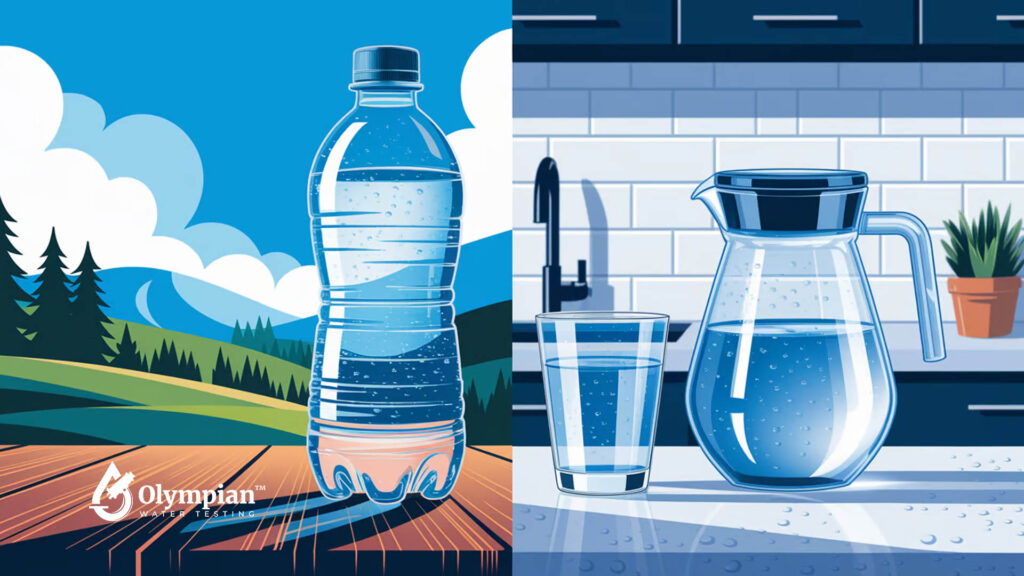
Interestingly, many bottled water companies source their water from the same municipal supplies as tap water. This means the water in bottles may be identical to what comes from your tap. The main difference lies in the regulations and testing each undergoes.
The Environmental Protection Agency (EPA) regulates tap water, setting strict standards and requiring regular testing. Water utilities must conduct thousands of tests annually to ensure compliance. They also provide detailed reports on water quality to the public. In contrast, bottled water is overseen by the Food and Drug Administration (FDA) as a food product, with less stringent regulations and testing requirements.
Here are some eye-opening statistics that highlight the differences between tap water and bottled water:
- Tap water costs approximately one penny per gallon, while bottled water can cost hundreds of times more.
- Colorado Springs, for example, delivers an average of 68 million gallons of water per day to over 500,000 customers, sourced from high-quality Rocky Mountain snowmelt.
- The city’s potable distribution system consists of nearly 2,500 miles of mains, ensuring safe and reliable delivery of tap water.
- Tap water quality is monitored at higher standards than bottled water, with thousands of tests conducted annually to ensure compliance with strict drinking water standards.
Considering these facts, tap water is not only safe but also more cost-effective and environmentally friendly than bottled water. By choosing tap water, you can save money, reduce plastic waste, and enjoy high-quality, well-regulated drinking water. So, the next time you reach for a bottle of water, remember that the safer choice may be right at your fingertips.
Proper tap water storage guidelines
Storing tap water correctly is vital for maintaining its quality and safety. Adhering to proper guidelines ensures your drinking water remains safe and healthy. This is essential for your well-being.

To store tap water safely, follow these key steps:
- Use a clean, food-grade container made of glass or hard plastic
- Cover the container with a tight-fitting lid or seal
- Keep the stored water away from direct sunlight
- Store the container in a cool place, such as a refrigerator or cold cellar
Choose an amber-colored or foil-covered container to reduce light exposure. This prevents algae and microorganisms from growing. Also, pick a container without contaminants or odors that could harm the water’s taste or safety.
| Container Material | Recommended Storage Time |
|---|---|
| Glass | Up to 2 weeks |
| Hard Plastic (BPA-free) | Up to 2 weeks |
| Stainless Steel | Up to 2 weeks |
By following these guidelines and using the right containers, you can store cold tap water for about two weeks. This ensures a steady supply of drinking water during emergencies or when your usual water supply is disrupted.
Proper storage is just one part of ensuring safe drinking water. Regularly testing your tap water for contaminants and staying updated on local water quality issues is also critical. Being proactive and informed helps you and your family enjoy clean, safe tap water.
Protecting water sources from contamination
Denver Water is dedicated to safeguarding its source water, ensuring it remains safe and clean for customers. Spanning multiple counties, the utility employs caretakers to monitor the water quality. Their efforts are critical in maintaining the water’s purity.
Though rare, spills or natural events can threaten the water quality. Denver Water swiftly collaborates with local authorities and agencies to mitigate such incidents. This cooperation is essential in preventing contamination of the drinking water supply.
Challenges in Water Quality Management
Colorado towns face unique challenges in water quality due to their geography and climate. Urbanization and industrial activities exacerbate these issues. Droughts and intense storms also impact water quality management significantly.
| Voter Concerns | Percentage |
|---|---|
| Pollution of lakes and rivers | 89% |
| Flooding | 88% |
| Drinking water contamination | 86% |
Comprehensive Approach to Water Quality Management
The City of Golden adopts a holistic approach to water quality management. It implements various programs to ensure safe drinking water:
- Stormwater management programs reduce pollutants carried by stormwater runoff into rivers and lakes, protecting aquatic ecosystems and drinking water sources.
- Industrial pretreatment programs require industries to treat wastewater to meet specific standards before discharge, ensuring compliance through regular inspections and monitoring.
- Cross connection control mandates the installation of testable backflow prevention devices to protect the public water supply from contamination.
- Floodplain management involves zoning and land-use planning to preserve natural floodplains, which act as buffers and filters for runoff, reducing erosion and protecting water quality.
- Source water and watershed protection initiatives involve collaboration with local governments and organizations to prevent contamination and improve the quality of drinking water sources.
The effectiveness of these programs is reflected in the City of Golden’s commitment to maintaining a clean and reliable water system for its community.
The Safe Drinking Water Act (SDWA) requires each state to conduct source water assessments. Amendments in 1996 mandated assessments for all public water systems under each state’s jurisdiction. These assessments help identify contamination sources and develop strategies for protection and prevention.
Is tap water in Colorado safe?
Colorado Springs benefits from the pristine Rocky Mountains for its drinking water. Snowmelt from these peaks offers a clean and reliable water supply. This ensures residents enjoy safe and refreshing tap water all year.
Water utilities in Colorado follow strict drinking water standards from state and federal agencies. These standards aim to protect public health. They ensure water delivered to homes and businesses is free from harmful contaminants. Regular testing monitors water quality and identifies any issues.

Comprehensive testing and monitoring
The local water utility in Colorado Springs conducts thousands of tests annually. These tests cover a wide range of contaminants, including:
- Microorganisms
- Inorganic compounds
- Organic compounds
- Radiological contaminants
The results are compiled into annual water quality reports. These reports are available to the public. They provide a transparent look at the city’s drinking water, building trust with customers.
Addressing contaminants and aesthetic concerns
Colorado Springs’ tap water is generally safe, but some contaminants may exceed health guidelines. Identified contaminants include:
- Haloacetic acids (HAA5 and HAA9)
- Total trihalomethanes (TTHMs)
- Radium (combined -226 & -228)
Presence of these contaminants doesn’t mean the water is unsafe. Utilities work hard to address issues and keep levels within acceptable ranges.
Some residents may experience aesthetic issues like unusual tastes or odors. These are often due to factors like:
- Chlorine used for disinfection
- Naturally occurring organic matter
- Mineral content of the water
While these issues can be unpleasant, they’re not typically health risks. Residents can contact their local water utility for guidance and to report any problems.
In summary, Colorado Springs tap water is safe to drink and meets or exceeds all state and federal drinking water standards. The city’s water utility is committed to providing high-quality water from the Rocky Mountains. They aim to ensure the health and well-being of their customers.
PFAS in Colorado’s drinking water
The Environmental Protection Agency (EPA) is refining its stance on per- and polyfluoroalkyl substances (PFAS) in drinking water. In response, Colorado’s water utilities are taking steps to safeguard their water supplies. Denver Water, for example, has been testing for PFAS compounds in its source and treated water continuously from 2017. Current results show levels significantly below the EPA’s regulatory limits for the six targeted PFAS compounds.
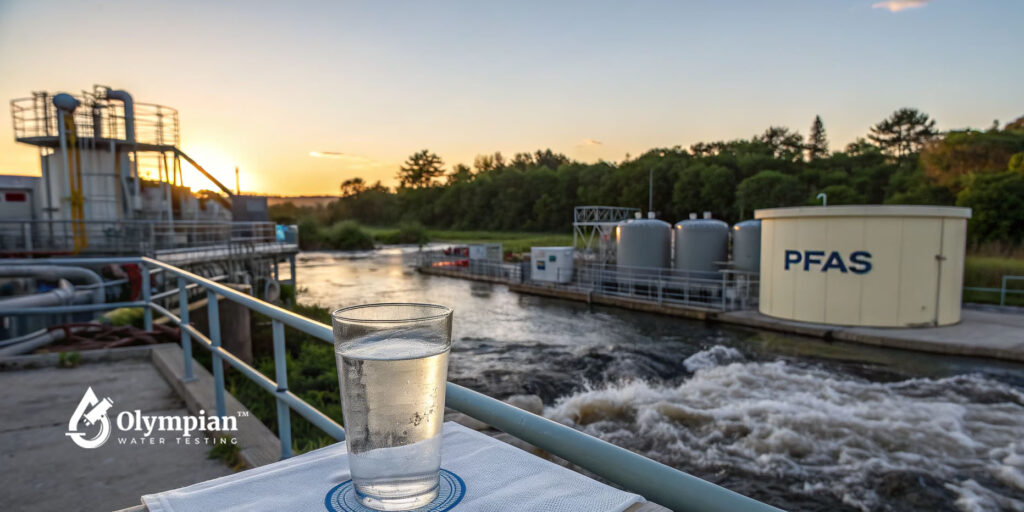
Yet, not all water districts in Colorado have been as proactive. Recent data reveals that about one-third of municipalities and counties have not tested for PFAS in their water. Approximately 300 out of 900 water districts have yet to initiate PFAS testing. The Colorado Department of Public Health and Environment (CDPHE) is actively addressing this gap. It has assisted over 600 public water systems with PFAS testing and provided $7.6 million in grant funding to reduce public exposure to these contaminants.
| PFAS Testing and Remediation Efforts in Colorado | Progress and Funding |
|---|---|
| Water districts that have not started PFAS testing | 300 out of 900 |
| Public water systems assisted with PFAS testing by CDPHE | Over 600 |
| CDPHE grant funding awarded in 2022-2023 for PFAS reduction | $7.6 million |
| Planned CDPHE grant funding for 2024 | $5-6 million |
| EPA funding for CDPHE’s Emerging Contaminants Grant program | $85 million over two years |
| Colorado’s drinking water and water pollution control funds for 2024 | $106 million |
The EPA’s new rule, finalized on April 10, 2024, mandates public water systems to initiate PFAS testing by 2026. If necessary, they must implement solutions by 2029 to meet the new standards. The rule sets a limit of less than 4 parts per trillion for PFOA and PFOS. An estimated 6 to 10 percent of the nation’s utilities are contaminated with these compounds.
Colorado has identified 29 water systems with PFAS contamination through its voluntary testing program initiated in 2020. Approximately two-thirds of the state’s water utilities have opted into the program. The Bipartisan Infrastructure Law of 2021 has allocated significant funds to address PFAS in drinking water. Colorado is set to receive $31 million out of a promised $189 million for PFAS remediation.
As water utilities like Denver Water continue to monitor and prepare for solutions, it’s evident that addressing PFAS in Colorado’s drinking water demands ongoing collaboration. By remaining informed and proactive, Colorado’s water providers can ensure their customers have access to safe, clean drinking water for years to come.
Responsible hydration with Colorado’s tap water
Colorado’s tap water is clean and tastes great, making it a top choice for hydration. Choosing tap water over bottled water helps reduce plastic waste and saves money. It doesn’t compromise on water quality.
Using reusable water containers is a simple way to lessen environmental impact. A University of Wisconsin-Madison study found that a reusable water bottle can save 156 plastic bottles annually. By opting for tap water and refillable containers, you help create a greener future.

Drinking tap water also offers significant bottled water cost savings. Tap water costs about a penny per gallon, making it a cost-effective alternative to bottled water. Here’s a comparison of tap water and bottled water costs:
| Water Source | Cost per Gallon | Annual Cost (1 gallon/day) |
|---|---|---|
| Tap Water | $0.01 | $3.65 |
| Bottled Water | $1.22 | $445.30 |
To make tap water more appealing, try flavoring tap water with fruits, vegetables, and herbs. Here are some tasty combinations:
- Sliced limes and mint leaves
- Cucumber and honeydew melon chunks
- Strawberries and basil leaves
- Lemon wedges and rosemary sprigs
Just add your preferred ingredients to a pitcher of cold tap water. Refrigerate for a few hours to let the flavors meld. This method avoids sugary drinks and artificial flavors.
"Colorado’s tap water is not only safe but also delicious. By choosing tap water, we can hydrate responsibly while protecting our environment and saving money." – Emily Thompson, Colorado Water Conservation Board
Adopting Colorado’s tap water is a simple yet impactful step towards sustainable hydration. By using reusable containers, enjoying cost savings, and exploring natural flavors, you benefit from tap water. This choice also supports a healthier planet.
Colorado’s role in the water cycle
Colorado is vital in the water cycle, with its residents being the first to use fresh Rocky Mountain water. This water is then reused by over 200 cities before reaching the Gulf of Mexico. The colorado transmountain water travels through more than 250 miles of pipe to terminal storage reservoirs. Daily, an average of 68 million gallons are delivered to over 500,000 customers via nearly 2,500 miles of distribution mains.
The colorado water cycle is deeply connected to the state’s forests. These forests are essential for filtering water, directly affecting drinking water quality. The East Troublesome wildfire, which burned over 100,000 acres in the Colorado River’s upper basin, highlights the forests’ critical role in maintaining clean water.
Organizations like the Colorado Water Center and The Nature Conservancy (TNC) are tackling water challenges. The Colorado Water Center focuses on outreach, agricultural water management, workforce development, and equity. TNC’s Western Dry Forests and Fire Program aims to restore 50 million acres of forests by 2030. This effort will enhance forest health and resilience, ensuring clean water for the future.
| Statistic | Value |
|---|---|
| Daily water delivery | 68 million gallons |
| Customers served | Over 500,000 |
| Potable distribution system mains | Nearly 2,500 miles |
| East Troublesome wildfire burned area | More than 100,000 acres |
| TNC’s forest restoration goal by 2030 | 50 million acres |
As Colorado grows faster than the Western United States, its role in the water cycle becomes more critical. Promoting reusing colorado water, protecting forests, and developing a skilled water workforce are essential. These efforts will ensure a sustainable and resilient water future for the state and the region.
Ensuring safe and responsible tap water usage
Colorado residents can ensure safe tap water usage by staying informed about their water quality. They can do this through annual reports from local utilities. These reports detail the rigorous testing and monitoring that keeps Colorado’s tap water safe. By reviewing these reports, residents can feel confident in the safety and reliability of their drinking water.
Practicing responsible water consumption is also essential for Colorado’s water sustainability. Using reusable containers for hydration is a simple way to reduce plastic waste and save money. If lead is a concern due to old plumbing, programs like Denver Water’s Lead Reduction Program can help. They offer free water pitchers, filters, and replacement filters to affected customers.
By staying informed and practicing responsible water habits, Coloradans can enjoy their clean, safe tap water with confidence. These actions benefit not just individual households but also the overall sustainability and well-being of Colorado’s communities. As residents continue to prioritize safe tap water usage and responsible consumption, they play a vital role in preserving Colorado’s water quality for future generations.