Overview of Tampa’s Water Sources
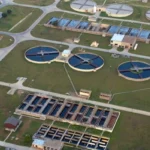
Tampa’s tap water comes from a mix of natural and managed sources, meeting local needs. The Hillsborough River is the main contributor, providing fresh water to homes and businesses. This river is essential for the city’s water supply.
Tampa Bay Water also plays a role, adding to the supply during peak times. The city relies on underground aquifers as a reliable backup. This ensures a steady water supply, even during droughts or high usage periods.
The water system in Tampa is highly adaptable. It combines surface water, partnerships with other regions, and groundwater reserves. This setup offers a significant safety margin, supporting daily life and future growth.
Key Factors Affecting Water Safety
Water quality is influenced by local infrastructure, natural conditions, and the need to keep supplies free from harmful microbes. Each factor is essential for a reliable system. Yet, maintaining and monitoring closely is critical.
Distribution Network Maintenance
Pipes and treatment facilities require regular inspections to prevent leaks and contamination. Crews check aging sections, repair damaged lines, and ensure consistent flow. This ongoing effort helps reduce the risk of disruptions that could affect taste, firmness, or the formation of harmful byproducts.
Seasonal Variations
Florida’s climate can alter water composition. Heavy rainfall may increase runoff, pushing more particles into the supply. Dry spells can elevate mineral content, changing the balance of certain elements. Adjustments in treatment methods are necessary to keep tap water dependable during these changes.
Local Environmental Impact
Urban growth and industrial sites impact water safety. Cropland runoff and nearby factories introduce compounds that demand careful oversight. Environmental agencies monitor for emerging substances linked to harmful byproducts. They work to protect public health and drive improvements in Tampa’s water system.
The Significance of tap water in tampa for Residents
Many households rely on tap water for cooking, cleaning, and hydration. Tampa’s water comes from the Floridan Aquifer, rich in minerals. Understanding these minerals’ role in daily life simplifies household tasks.
Everyday Uses
Tap water is vital for various household activities. Its mineral content provides essential nutrients, though some notice a distinct taste. Hardness levels around 148 mg/L can lead to scale buildup in appliances like washing machines and dishwashers.
Considering softeners or filtration units can help manage these issues. This knowledge empowers families to find solutions that meet their needs.
Affordability Compared to Bottled Water
Choosing tap water as a primary source is economically wise. Bottled water can be expensive over time, whereas city systems are more cost-effective. Residents in Tampa often save money by using tap water, reducing household waste in the process.
This approach allows individuals to redirect their resources without compromising on quality. It’s a smart way to manage household expenses.
Source | Average Hardness (mg/L) | Potential Impact |
Tap Water | 148 | Possible scale in appliances |
Bottled Water | Varies | Less buildup but higher long-term cost |
How Tampa’s Water Quality Is Monitored
City officials use lab-based evaluations to ensure drinking water meets federal and state standards. The Tampa water department collects samples from neighborhood pipes, treatment facilities, and distant points in the distribution system. Each sample is tested for pH levels, pathogens, and chemical pollutants. These results guide future improvements, ensuring supplies are safe from risks.
Public updates are provided in an annual report, detailing every finding in simple terms. Readers gain insights into disinfection methods, preventive steps, and quality changes. This transparent approach boosts confidence in the network’s integrity. The Tampa water department works with the Environmental Protection Agency to update guidelines as needed. Residents find these efforts reassuring, knowing their water is safe for households, businesses, and community hubs.
Independent checks often confirm the city’s progress, adding to official data and reinforcing trust and accountability.
Potential Contaminants to Know About
Tap water in any region can contain hidden elements that affect flavor and safety. Some substances occur naturally, while others enter through treatment processes or aging systems. Residents benefit from a clear understanding of these factors.
Chlorine and Its Byproducts
Disinfectants are used to limit harmful microbes, and chlorine in tap water plays a central role. Its byproducts form if levels fluctuate and can influence taste or cause concern for sensitive individuals. The Environmental Protection Agency sets standards to keep these substances in check.
Microbial Intrusion
Pathogens thrive in damp environments. Small leaks or breaches allow contamination, though modern treatment plants work to reduce that risk. Regular inspections and promptly fixing compromised lines help keep the water supply strong.
Aging Infrastructure Concerns
Older pipes wear down and can release particles into household taps. Corrosion accelerates over time, which may include traces of metals. Many municipalities invest in upgrades to safeguard water quality and maintain reliability for everyone. Real-time monitoring also alerts crews to emerging issues before they escalate.
Role of the Tampa Water Department
The Tampa Water Department plays a vital role in ensuring reliable water service across the city. It oversees the development of new infrastructure, invests in cutting-edge treatment processes, and promotes water conservation. By analyzing daily water usage patterns, it educates residents on how to save water. During peak usage periods, the department enforces Tampa water restrictions. These restrictions include limiting lawn irrigation and encouraging responsible water use.
The city’s rules are designed to be flexible, allowing for adjustments as needed. This flexibility ensures that every household has access to fresh, safe water. The department is responsible for monitoring water quality, tracking supply levels, and optimizing distribution. It works closely with local organizations to manage resources effectively and promote balanced water usage.
Initiative | Primary Goal |
Water Conservation | Decreases demand through targeted programs and community outreach |
Infrastructure Upgrades | Enhances efficiency and safeguards water quality |
Seasonal Restrictions | Adjusts usage guidelines to preserve supply in times of high demand |
Expert Recommendations and Guidelines
Many residents in Tampa find relief from mineral buildup by addressing hard water through careful filtration and routine home maintenance. The City of Tampa Water Department serves over 717,000 people. They perform thousands of tests each year to uphold federal and state standards. This includes monitoring 29 different PFAS compounds and maintaining a corrosion control program to minimize lead exposure.
Filtration Options
Some systems use simple carbon filters for taste improvement, while reverse osmosis units remove a broader range of contaminants. Water softeners are popular for managing hard water in Tampa, as they reduce scaling on household fixtures. Filters designed to lower lead levels should be changed according to the manufacturer’s schedule to ensure consistent performance.
Guidance from Environmental Agencies
Experts advise routine faucet flushing for 30 seconds to 2 minutes if taps have been idle for more than six hours. Cold water is recommended for cooking or food preparation. Lead-free faucet aerators can be requested from the Tampa Water Department to replace older parts that might contribute to contamination. Individuals with compromised health should consider these measures a priority.
Boiling and Other Precautionary Measures
Boiling is not an effective way to eliminate lead. Flushing taps and cleaning aerators work better for reducing risks. During water advisories, a brief boil helps address microbial concerns but should never be relied on for removing metallic impurities. These steps, along with staying informed about local water alerts, offer layers of protection for every home.
Comparing Tampa’s Water to Other Florida Cities
Across Florida, people face different water sources. Coastal areas depend on desalination plants, while inland communities use deeper wells. This leads to varied mineral content and taste. Tampa’s water reflects its local environment and treatment methods.
Is Tampa’s water safe? Public records confirm Tampa’s water meets federal standards. Some Panhandle cities have higher mineral levels, affecting taste and hardness. South Florida uses special treatments due to saltwater issues. These differences show how geography impacts water quality.
“As reported by the Florida Department of Environmental Protection, water quality can vary significantly based on local geology and conservation practices.”
People moving between regions often notice changes in water clarity and taste. This comparison helps determine if a filter is necessary. It also sheds light on the state’s water standards. This information is key for those wondering, Is Tampa’s water safe, within the state’s broader context.
Public Perception and Common Misconceptions
Many locals and tourists express worries about the water quality. They often base their opinions on occasional taste or smell changes. These differences can lead to widespread misconceptions.
Addressing Rumors and Myths
Some believe strong odors mean the water is contaminated. Yet, this smell usually comes from the disinfection process. Tests show Tampa’s tap water is safe, but these facts are sometimes overlooked.
Community-Led Initiatives
Across the city, groups conduct sampling campaigns to share accurate data. Public forums and water expos in Hillsborough County help educate residents. This effort boosts trust in the local water supply and counters false information.
Impact on Tourist Experiences
Visitors to Tampa might arrive with concerns about the water quality. Hotels and official sources provide clear information to build confidence. Honest communication helps shape positive impressions and keeps Tampa’s welcoming image intact.
Sustainability Efforts in Tampa’s Water Infrastructure
Tampa is committed to environmental stewardship through modern water systems. It manages organic matter before disinfection, reducing harmful byproducts like trihalomethanes. This approach extends the city’s drinking water supply by utilizing reclaimed resources for non-potable uses.
Regular assessments ensure Tampa’s growth aligns with local habitats. This balance protects the Hillsborough River, maintaining stable flow levels even during dry spells. Fresh filtration methods also alleviate pressure on natural reserves.
- Focus on reducing waste through water reuse programs
- Preserve river flow during extended dry spells
Initiative | Benefit |
Advanced Filtration | Lower harmful byproducts and improve taste |
Water Reclamation | Extend supply and safeguard regional ecosystems |
Tips for Improving Water Quality at Home
Ensuring safe drinking water starts with simple steps addressing common issues. Every household can benefit from choosing the right filtration method, maintaining plumbing, and staying informed about water alerts. These actions help keep tap water clean and reliable.
Choose the Right Filtration System
Filters come in various types, each tackling different water concerns. The Centers for Disease Control and Prevention highlights the importance of selecting the right technology. Reverse osmosis systems, for instance, effectively remove bacteria, chemicals, and dissolved solids. On the other hand, water softeners reduce hardness by eliminating calcium and magnesium.
It’s essential to consider local water conditions and personal needs when choosing a filtration system. This ensures the chosen method effectively addresses specific water quality issues.
Maintain Household Plumbing
Regular maintenance is key to preventing contamination and water waste. The U.S. Environmental Protection Agency emphasizes that leaks can significantly waste water annually. A simple way to detect leaks is by reading the water meter before and after a period of no usage.
Adjusting home water pressure also helps extend the life of pipes and fixtures. This proactive approach can save both water and money in the long run.
Stay Updated on Water Alerts
Being aware of official boil notices and repair updates is critical. It allows residents to take necessary precautions when local water systems face issues. Regularly checking city websites or announcements ensures adherence to guidelines for safe tap water consumption.
Staying informed enhances daily routines and supports safer water practices at home. It’s a proactive step towards maintaining a healthy environment.
Looking Ahead to a Hydrated Future in Tampa
Tampa’s population growth puts a strain on its water systems. The city sees advanced filtration as a vital solution. Research is ongoing to find new ways to ensure water reliability and protect the environment. This effort is aimed at keeping clean tap water available for families and businesses.
Community involvement is critical. Residents and local groups contribute to conservation and treatment strategies. In response, officials implement new policies and programs. These initiatives promote resource conservation and monitoring. For more information, people can consult experts, like this water sommelier advocating for clean drinking water, who shares insights on maintaining water quality.
Everyone’s contribution is essential in shaping Tampa’s water future. Through collective efforts, the city’s water supply will become stronger. Today’s actions will pave the way for future generations to enjoy a reliable source of drinking water. This will support public health and local industries for years to come.
FAQ
Is Tampa’s tap water safe to drink?
Yes. The Tampa Water Department confirms that the city’s treated water meets EPA standards. Yet, some residents might choose extra filtration due to concerns over minerals and disinfectant byproducts.
Where does Tampa mainly source its tap water?
Tampa’s tap water is mostly from the Hillsborough River. A smaller portion comes from Tampa Bay Water. An underground aquifer is vital during droughts or high demand.
What factors can affect Tampa’s water quality?
Water quality can be impacted by seasonal rains, agricultural runoff, and industrial activities. Regular maintenance and treatment help manage these factors, ensuring safe drinking water.
Why is Tampa’s tap water sometimes described as “hard”?
High levels of calcium and magnesium minerals make Tampa’s water hard. This can cause scaling on appliances and affect taste, leading some to use water-softening systems.
How do local authorities monitor Tampa’s water quality?
The Tampa Water Department tests water continuously at various points in the system. These tests check for pathogens, chemicals, and trace contaminants like PFAS, ensuring compliance with EPA standards.
Could chlorine-based disinfectants pose a health risk?
Chlorine controls bacteria but can create harmful byproducts like TTHMs if organic material is present. Tampa’s treatment aims to keep these levels within EPA limits for safe drinking.
What should residents consider when choosing a filtration system?
Filtration systems range from activated carbon filters to reverse osmosis units. The choice depends on concerns about taste, hardness, and health risks.
How do Tampa water restrictions help maintain supply?
During droughts or water shortages, Tampa limits lawn irrigation. These restrictions promote responsible water use and protect resources for the future.
Is Tampa’s tap water comparable to water quality in other Florida cities?
Tampa’s water meets state and federal standards, but quality varies by location and source. Coastal cities use desalination, while others draw from different aquifers, affecting mineral levels and quality.
What steps can homeowners take if they notice unusual taste or odor?
Run taps for a few minutes to clear pipes. If issues persist, check for corrosion or replace aerators. Contact the Tampa Water Department for further assistance.