Investigating the Dangers of Unmonitored Private Well Drilling and the Necessity of Water Analysis
- Published:
- Updated: January 11, 2025
Listen to this article
Summary
This guide emphasizes the importance of water safety for private well users and the risks of unmonitored wells.
- Private wells offer independence but lack the regulations of public water systems.
- Unmonitored wells risk contamination from bacteria, chemicals, and natural elements.
- Regular water analysis is crucial for detecting and addressing contaminants.
- Proper well maintenance, treatment systems, and responsible well use are essential safeguards.
This summary highlights the key points like the drawbacks of unregulated private wells and the various measures to ensure safe drinking water.

Drinking water in clean, hygienic conditions is the vital matter of human health and wellbeing. But fresh water is not always available, at least if you live in the country or on private wells. Private wells have been used much more frequently in recent years and can be reliable sources of water but can also be harmful to human health if not properly managed.
What are private wells and why are they becoming more popular?
A private well is one that belongs to the homeowner or the family and is utilized by them. Private Wells are becoming more common because they provide a source of water that is not subject to the rules and restrictions that public water system is. They’re also a convenient and affordable alternative to public water networks for those living in the countryside or who wish to be independent of public water sources.
The dangers of unmonitored private well drilling

Unmonitored private well drilling can pose significant risks to human health, as the water from these wells is not subject to the same regulations and safety standards as public water systems. Some of the dangers of unmonitored private well drilling include:
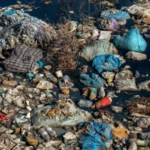
- Contamination from agricultural or industrial activities: Private Wells are often located near agricultural or industrial activities, which can contaminate the water with chemicals and pollutants.
- Bacterial contamination: Private Wells can become contaminated with bacteria, such as coliform bacteria, which can cause serious health problems.
- Contamination from septic systems: Private Wells that are located too close to septic systems can become contaminated with wastewater, which can contain harmful bacteria and chemicals.
- Contamination from naturally occurring substances: Private Wells can also be contaminated with naturally occurring substances, such as arsenic, which can be harmful to human health.
Why is water analysis necessary for private wells?
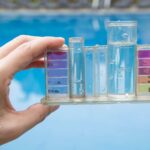
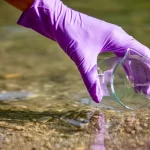
Water analysis is essential for private wells to ensure the safety of the water we drink. Conducting regular water analysis can detect the presence of contaminants and pollutants, enabling us to take necessary steps to protect our health. There are several benefits of water analysis for private wells. For instance, early detection of contaminants through regular water analysis allows for timely intervention to remove them before they cause harm.
Additionally, water analysis can protect human health by detecting the presence of harmful contaminants and pollutants, such as bacteria, chemicals, and naturally occurring substances. Knowing that the water we drink is safe and free from contaminants provides peace of mind and helps us feel confident in our water supply.
How can I ensure the safety of my private well water?
To ensure the safety of your private well water, it is important to have it tested regularly and to take the necessary steps to remove any contaminants that are found. Some of the steps you can take to ensure the safety of your private well water include:
- Regular water analysis: Regular water analysis is the best way to ensure the safety of your private well water. You should have your water tested at least once a year, or more frequently if you notice any changes in the taste, odor, or appearance of the water.
- Proper well maintenance: Proper well maintenance is essential to ensure the safety of your private well water. This includes regularly checking the well casing and seals, as well as keeping the well area free from debris and pollutants.
- Installing a water treatment system: If contaminants are found in your private well water, you may need to install a water treatment system to remove them. There are many different types of water treatment systems available, including filtration systems, reverse osmosis systems, and UV sterilization systems.
- Avoiding activities that can contaminate the water: To protect the safety of your private well water, it is important to avoid activities that can contaminate the water, such as disposing of chemicals or waste near the well, using pesticides near the well, or allowing livestock to access the well area.
- Staying informed: Staying informed about the latest developments in private well safety and water analysis is essential to ensure the safety of your private well water. You can stay informed by subscribing to newsletters and alerts from organizations that specialize in private well safety and water analysis.
The Importance of Proper Well Installation
The right well installation will make sure that private well water is safe. A poorly drilled well can spill contaminants into the water, and human health could be affected. When drilling a private well, be sure to adhere to all local and state laws and regulations, and hire a qualified, licensed well driller. The well must be in an area away from potential polluters like septic tanks, agricultural or industrial activities. You want the best well casing and seals so that contaminants won’t seep into the water.
The Role of Government in Private Well Safety
Private wells are private properties, which can be owned by private citizens or private families, but it’s the government that has the role of maintaining the safety of private well water. It’s the state that makes the rules and requirements for private wells, and enforces those rules to safeguard public health. Private well owners also have information and resources available from the government to educate them on the risks of private well drilling that isn’t regularly supervised, and on the value of water testing. By co-operating, the government and private well owners can keep private well water safe and the health of those who depend on it protected.
The Future of Private Well Safety
With private wells increasing in use, one should look to the future and think about the role of technology and innovation in maintaining private well water safety. The smart wells and water monitoring technologies being built can allow private well owners to see how their water is deteriorating at a glance and spot contaminants more quickly. The future of private well safety is rosy, and technology and innovation are still vital to the safety and health of those who depend on private wells for water.
Share this on social media:
Facebook
Twitter
LinkedIn

Related Posts