Queens’ Drinking Water: The Sulfate Dilemma
- Published:
- Updated: December 16, 2024
Listen to this article
Summary
Sulfate in Queens’ drinking water, while within legal limits, has raised concerns among residents. This naturally occurring compound can affect the taste and smell of water, giving it a bitter, medicinal flavor, and cause scale buildup in plumbing systems. Health risks, though generally minimal, include gastrointestinal issues, particularly for sensitive individuals and infants.
- Sources: Sulfate can enter water naturally or through industrial processes.
- Impacts: Unpleasant taste/odor, plumbing scale buildup, and minor health risks.
- Management: Regular monitoring, water filtration, and community engagement are key.

Quality water for the more than two million people living in the cosmopolitan borough of Queens, New York is a major issue. Queens’ water quality is fine but there’s a rising focus on the amount of sulfate in the tap water. The naturally occurring sulphate in many minerals can also be an industrial byproduct. This problem has raised questions for residents, politicians and scientists about the effects of sulfate on Queens’ drinking water — from the taste and odour of the water to plumbing and health effects.
The Basics of Sulfate in Water
Sulfate is a natural constituent found in rocks, soil and air. It enters watercourses either naturally (such as mineral dissolved in water) or humanly (through industrial emissions and wastewater spills).
Though naturally present, high levels of sulfate in water can cause several issues. It’s essential to know what natural and human causes of sulfate in Queens’ drinking water, so that we can make sense of the risks and the necessary mitigation.
How does sulfate affect the taste and odor of water?
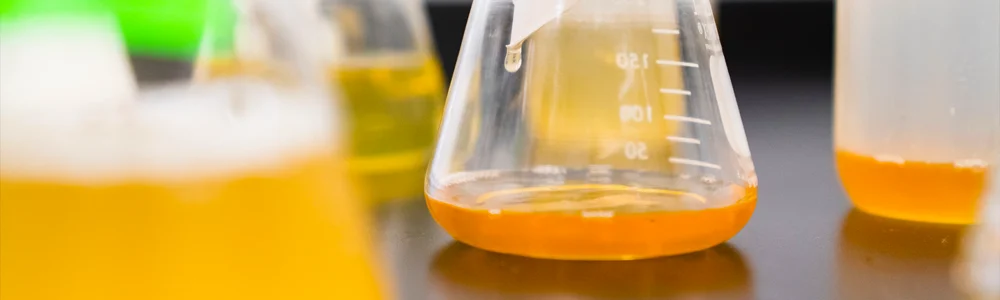
One of the first and most visible effects of high sulfate concentrations is water odour and taste. Almost everybody thinks that sulphate-rich water tastes bitter or medicinal. This can be offensive and make us turn to bottled or filtered water.
Also, sulfate can combine with other chemicals in the water and produce a stench. These perceptual changes aren’t always a health risk, but they can still affect people’s levels of satisfaction and confidence in their tap water.
What is the impact of sulfate on plumbing systems?
Sulfate in drinking water doesn’t only impact the taste and odour of water, but plumbing systems can be affected by it. When sulfate reacts with calcium in water, the hard substance is called scale and it can cling to pipes, water heaters and other plumbing components.
These sediments over time build up, cut off water supply, and rust. Not only does this require expensive repair work but it can degrade water heater efficiency, which increases your energy consumption.
Sulfate Levels in Queens' Drinking Water
The concentrations of sulphates in Queens’ drinking water have fluctuated over time and in different neighbourhoods. Those levels are within legal safe ranges according to new tests, but concerns persist about the long-term effects of such sulfate concentrations.
Monitoring on a regular basis is essential to keep sulfate levels within permissible limits. Efforts at close alignment between water managers, scientists and the public are necessary to keep the water system transparent and trustable.
Potential Health Implications of Sulfate
Sulfate isn’t considered to be dangerous at the levels in water that are normally brewed but at very high concentrations, it can cause stomach problems. Some people may experience:
Bladder, particularly for those who haven’t used to large doses of sulfates.
Dehydration, especially in children, from diarrhoea.
Increased methemoglobinemia risk in infants, but very uncommon.
There is little evidence of harmful health impacts, but these potential dangers are reason enough to stay within the safe range for sulfates.
Testing Methods for Sulfate
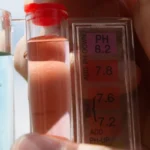
Detection of sulfate in drinking water is part of monitoring its levels. In-house techniques like ion chromatography are precise and sensitive but can be expensive.
Or homeowners can get at-home test kits that offer a less accurate, though more convenient, measurement. In either case, knowledge about the sulfate content of tap water is a critical first step in water quality management planning.
Strategies for Reducing Sulfate in Drinking Water
Managing sulfate levels involves both large-scale and home-based strategies. Water treatment plants may use methods like coagulation, filtration, or reverse osmosis to reduce sulfate levels.
For individual households, installing water filters that are specifically designed to remove sulfate can be an effective solution. Public education on the issue can also play a significant role in empowering residents to make informed choices about their water consumption.
Community Response and Policy Issues
The sulfate problem with Queens’ drinking water has caused alarm and deliberation on the part of residents and government. The local advocacy organizations have been the ones to help educate, press for openness, and enforce rules.
And government officials at all levels are evaluating existing regulations and deciding if something new is needed to protect public health and satisfaction. Scientific knowledge, public participation and active policy will all be needed in collaborative approaches to solving the sulfate problem in Queens’ drinking water.
Queens’ sulfate problem is not a crisis, but it is a complicated, important one that needs to be looked at. By better assessing the sources, effects and preventions of sulfate, Queens’ residents and government can all do their part to make sure everyone has access to clean, safe and good-tasting potable water.
Conclusion
Solution: Queens’ water is not getting better, but continued testing, open dialogue with the community, and possibly new treatment processes are necessary to fix sulfate in the water. Working together with the community, the government and the people, will guarantee clean, safe water to everyone.
Share this on social media:
Facebook
Twitter
LinkedIn

Related Posts