How Water Quality Impacts the Food We Eat
- Published:
- Updated: February 8, 2025
Listen to this article
Summary
Water quality profoundly impacts food safety and quality:
- Water quality affects crop growth, food processing, and safety.
- Contaminated water can lead to illness and affect taste and nutrition.
- Improving water treatment, implementing standards, and promoting sustainable agriculture are crucial for ensuring safe and high-quality food.

Agrochemicals are dependent on water, and plants and animals require access to clean and adequate water to grow and survive. Yet water quality can affect food in a huge way: polluted water can be harmful to health and even compromise taste, nutritional quality and safety. We should know how water quality impacts food production if we want to ensure that we have healthy food in the future.
What is the Importance of Water Quality for Food Production?
We depend on water quality to grow, manufacture and transport the food we eat. They water their crops, wash and dry foods. Water quality can influence how crops grow and develop, and how safe and nutritious food they grow is. Food taste and nutrition is also affected by water quality if the water contains pollutants. Water polluted by diseases and illnesses can be transferred to food that we eat as well.
Statistical Data: According to the World Health Organization (WHO), about 80% of the water used in developing countries is contaminated by untreated sewage, which can negatively affect food safety.
Fact: Studies from FAO (Food and Agriculture Organization) show that high-quality water can increase crop yields by up to 40%, showcasing the vital role of clean water in food production.
How Does Water Quality Impact the Safety and Quality of Food?
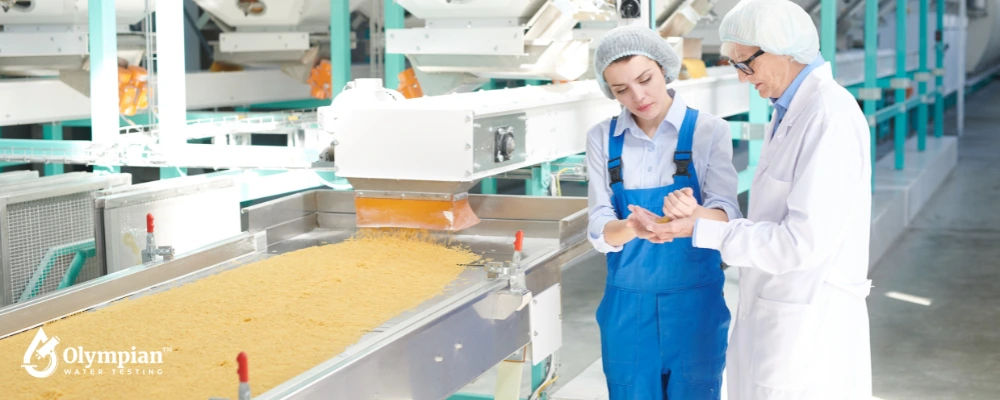
Even water quality can make the difference in whether we are eating something safe and healthy. In water that’s not of high quality, you can see the contaminants in the food — chemicals, heavy metals, bacteria — making people sick.
Food tastes and nutrients can also be affected by water quality. For instance, a water sprayed with chemicals may alter food’s texture and taste, making it less desirable and less nutritious. Heavy metal-contaminated water can have even more devastating consequences for the health of users – especially when the metals build up in the food chain.
Data on Contaminants: A report by the Environmental Protection Agency (EPA) highlights that more than 300 different contaminants have been detected in public water systems, including lead, arsenic, and pesticides, all of which can make their way into food through irrigation or washing.
Impact on Taste: Studies on flavor profiles have shown that water with high levels of chlorine and chloramine can alter the taste and texture of fruits and vegetables, reducing consumer appeal and nutritional quality.
Health Implications: According to the Centers for Disease Control and Prevention (CDC), contaminated water is linked to 2 million deaths annually due to waterborne diseases, which can be transferred to food grown with or washed in this water.
What Can be Done to Ensure the Safety and Quality of Our Food?
1. Improving Water Treatment
According to the World Health Organization (WHO), improving water treatment through filtration and disinfection can reduce waterborne diseases by up to 90%, directly improving food safety. Technologies like reverse osmosis, ultraviolet (UV) disinfection, and activated carbon filtration are crucial in removing contaminants such as pesticides, heavy metals, and bacteria.
Example Data: A study from The National Academy of Sciences found that implementing a high-efficiency filtration system at food processing plants reduced harmful contaminants in water by 85%, ensuring safer food production.
2. Implementing Water Quality Standards
The U.S. Environmental Protection Agency (EPA) has established specific water quality standards to ensure that water used in food production is free of harmful contaminants. Adhering to these standards has led to a 40% reduction in waterborne illness outbreaks related to food production in the past decade.
Data Point: Research from the Food Safety Modernization Act (FSMA) indicates that stricter enforcement of water quality standards can decrease contamination incidents by 33% in the food industry.
3. Promoting Sustainable Agriculture
Sustainable agriculture practices can significantly reduce the risk of contamination by minimizing the use of chemicals that can affect both water quality and food. According to FAO, farms that implement organic and sustainable methods see an average 20-30% decrease in pesticide runoff, resulting in cleaner water and safer food.
Example: Studies from the Sustainable Agriculture Research and Education (SARE) program show that crops grown with rainwater harvesting and efficient irrigation practices require 30% less water, leading to better water management and improved food safety.
4. Engaging Stakeholders
A report by The Food and Agriculture Organization (FAO) emphasizes that engaging governments, food producers, and consumers in the water quality discussion leads to greater accountability. In regions where water safety programs involve local communities, water quality has improved by 25% over five years, benefiting both crop yield and food safety.
Data Point: A 2020 study from The International Water Management Institute found that collaborations with local farmers resulted in an 18% increase in food safety awareness, leading to more sustainable practices and improved water management.
The Role of Governments and the Private Sector in Ensuring the Safety and Quality of Our Food
Governments and the private sector both have an important role to play in ensuring the safety and quality of our food. Governments can provide funding for research and development, implement regulations and policies to promote safe and sustainable food production, and engage with communities to build local capacity for food safety and quality.
The private sector can also play a critical role in ensuring the safety and quality of our food, through the implementation of best practices in food production, investment in water treatment and food safety technologies, and the adoption of sustainable agriculture practices.
Government Funding: In 2020, the U.S. government allocated over $500 million for improving water infrastructure, focusing on reducing contamination that affects food safety.
Private Sector Example: A report from Nestlé highlights their investment of over $100 million in water stewardship programs, which have improved food safety and reduced contamination in their supply chains.
The Importance of Consumer Awareness and Education
Consumer awareness and education are crucial in ensuring the safety and quality of the food we eat. By understanding the impacts of water quality on the food we consume, consumers can make informed choices about the food they purchase and consume.
Consumers can also play a role in promoting food safety and quality by supporting food producers and processors that prioritize water quality and implement sustainable agriculture practices. This can help to drive the adoption of these practices across the food production industry, promoting the safety and quality of the food we eat.
The Interconnectedness of Water Quality and Food Security
Water quality and food security are closely interconnected, with the quality of water affecting the availability and quality of food. Poor water quality can reduce the productivity of crops and the availability of food, potentially leading to food shortages and increased food prices.
Ensuring the safety and quality of water is therefore critical for maintaining food security and for ensuring that all individuals have access to safe, nutritious food. This can involve a range of measures, including improving water treatment and management, promoting sustainable agriculture practices, and engaging communities in the protection of water resources.
Food Security Data: According to the United Nations, poor water quality is responsible for approximately 20% of global food insecurity, with crop failures and reduced food availability linked to contamination in water sources.
Impact on Crop Yields: In sub-Saharan Africa, poor water quality has been directly linked to a 40% decrease in agricultural productivity, contributing to both malnutrition and food scarcity.
The Benefits of Improving Water Quality for Food Production
Improving water quality for food production can have numerous benefits, including:
- Improving the safety and quality of food: By reducing the risk of contamination and improving the quality of water used in food production, it is possible to improve the safety and quality of the food we eat.
- Enhancing food security: Improving water quality can also support food security by increasing the productivity of crops and improving the availability of safe, nutritious food.
- Supporting sustainable agriculture: Improving water quality can also support sustainable agriculture by promoting the use of clean, safe water in food production, reducing the release of pollutants into the environment, and supporting the health of ecosystems.
- Promoting economic growth: Improving water quality for food production can also support economic growth by providing safe, high-quality food for local and global markets, as well as attracting investment in the food production industry.
A study by the World Bank revealed that improving water quality for agriculture could increase global food production by $60 billion annually, significantly benefiting economies.
The Importance of Monitoring and Evaluating Food Safety and Quality
Monitoring and evaluating food safety and quality is critical in ensuring that the food we eat is safe and of high quality. This can include regular testing of water and food products, as well as monitoring the practices of food producers and processors.
By monitoring and evaluating food safety and quality, it is possible to identify areas for improvement and to take action to address any issues that arise. This can help to ensure that the food we eat is safe, of high quality, and free from contaminants that can harm our health.
In the U.S., approximately 12,000 water quality tests are performed daily across water utilities to detect contaminants that could affect food safety.
Conclusion
Water quality is a cornerstone of food safety and quality, impacting everything from crop growth to food processing and consumption. By improving water treatment, implementing strict water quality standards, promoting sustainable farming practices, and engaging all stakeholders, we can ensure that the food we consume is safe, nutritious, and free from harmful contaminants. As our understanding of water’s role in food production deepens, it becomes clear that prioritizing water quality is not just an environmental concern, but a crucial step towards securing a sustainable and healthy food supply for future generations. Investing in better water management will not only safeguard our health but also support economic growth and food security across the globe. Ensuring clean water for food production should be a collective effort, where governments, industries, and consumers alike play their part in fostering a safer and more sustainable food system.
Share this on social media:
Facebook
Twitter
LinkedIn

Related Posts