Exploring the Adverse Effects of Naphthalene in Drinking Water
- Published:
- Updated: December 16, 2024
Listen to this article
Summary
Naphthalene Contamination:
- Sources: Industrial waste, improper disposal, and household products like mothballs.
- Health Effects: Short-term exposure can cause nausea and abdominal pain; long-term exposure is linked to cataracts, liver, and neurological damage.
- Environmental Impact: Toxic to aquatic life, disrupting ecosystems.

And naphthalene, an unrecognised chemical, has been detected in some of our most critical drinking water. This crystal, white, flammable substance is mostly famous for its use in mothballs but can be even more seductive on the landscape. When put into drinking water, its health effects on people and the planet can be alarming and destructive.
Naphthalene: Its Chemical Structure, Common Sources, and Uses
Naphthalene is an organic compound made up of two bonded benzene rings that are combined to form a special chemical structure that has been exploited for various industrial purposes. It’s widely employed in dyes, plastics and resins. On the domestic front, we know the smell of naphthalene in mothballs, the household lubricant for keeping fabric free from worms.
Naphthalene is even more common in industry. It accumulates in garbage, and when not properly disposed of can be toxic to soil and watercourses, and a major pollutant in our drinking water.
Naphthalene Contamination in Water Sources: How It Happens and Regions Most Affected
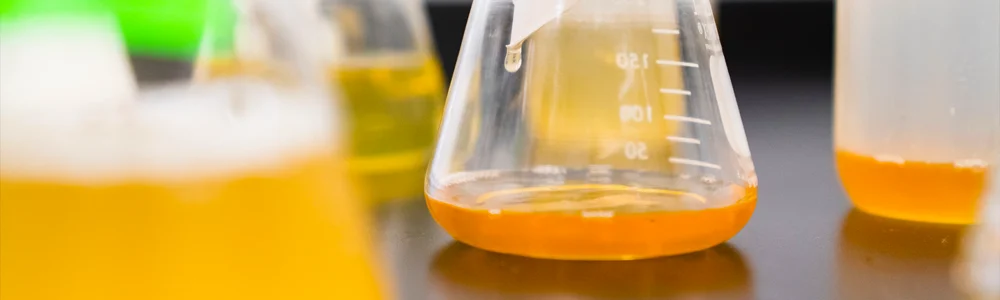
There are many ways for naphthalene to get into water. It could be leached out of a landfill, from industrial waste, or from home trash that includes mothballs. In the groundwater, it can get into the water system, which means frequent monitoring and treatment is essential.
Naphthalene doesn’t poison water equally in different parts of the world. Where there’s a lot of industry and not enough trash collection, contamination is often higher. Knowledge and rigorous regulation can go a long way in alleviating the dangers of this dangerous chemical.
What are the short-term and long-term health effects of naphthalene consumption?
The effects of drinking water laced with naphthalene can be multiple-fold. Acute use can cause nausea, vomiting or stomach aches. These are usually short-term effects that can usually be treated by medical care.
But the cumulative effect can be even more refractory. Naphthalene, over time, has been implicated in cataracts and has even been associated with liver and brain disease. It’s still under intense research to see the full range of its potential human health implications.
Environmental Impact of Naphthalene: Effects on Aquatic Ecosystems and Wildlife
Naphthalene isn’t just a problem for humans, it has effects on aquatic environments and animals. When found in waterways, it’s poisonous to fish, algae and other aquatic life. It is toxic to a point where species diversity collapses and the delicate equilibrium of the environment collapses.
In addition, naphthalene can be very damaging over the long term. It may also remain in the sediments, and its presence can be residual in ecosystem health. This need extensive surveillance and prevention measures to protect our aquatic environments from it.
Regulations and Standards for Naphthalene in Drinking Water: A Global Perspective
Countries around the world have set varying guidelines for naphthalene levels in drinking water. In some regions, stringent regulations exist, while others may have more relaxed standards. These disparities often reflect the economic, technological, and regulatory capacities of different nations.
The establishment of international standards and collaboration can help in creating a uniform approach. Sharing knowledge, technology, and best practices can lead to more effective regulation and help in building a safer global water supply network.
Detection and Analysis of Naphthalene in Water: Available Testing Methods and Technologies
Detecting naphthalene in water is a critical step in ensuring water safety. Various methods are available, including gas chromatography and mass spectrometry. These technologies offer accurate results but might be expensive and require skilled technicians.
Accessibility to testing can vary widely across regions, and the following bullet points highlight some key considerations:
- Method Availability: Not all testing methods may be available in every region, especially in economically constrained areas.
- Cost Considerations: Some methods might be prohibitively expensive for routine testing.
- Ease of Use: Simpler testing kits can be developed for regular monitoring at the community level, providing a more cost-effective solution.
Treatment and Mitigation Strategies: Removing Naphthalene from Contaminated Water Sources
Once detected, naphthalene must be effectively removed from the water supply. Various treatment options exist, from advanced filtration systems to chemical treatments. The choice of method often depends on the concentration of naphthalene and the available resources.
Mitigation goes beyond just treatment; prevention plays an equally essential role. Strategies might include better waste management, regulatory compliance, and community engagement to ensure that contamination doesn’t occur in the first place.
Public Awareness and Education: The Importance of Information and Community Engagement
Education and public awareness are vital components in addressing naphthalene contamination. Information dissemination through community workshops, school programs, and media can make individuals more vigilant about the risks associated with contaminated water.
Active community engagement in monitoring, reporting, and even participating in local water testing can foster a sense of ownership and responsibility. Together, we can all play a part in ensuring that our water remains clean, healthy, and free from harmful contaminants like naphthalene.
Share this on social media:
Facebook
Twitter
LinkedIn

Related Posts