Drinking Water Quality Standards in Italy
Italy is known for its dedication to ensuring safe, clean drinking water for its people and guests. It ranks second globally in the Environment Performance Index (EPI) for sanitation and drinking water, just behind Singapore. This high ranking is due to strict italian drinking water regulations and thorough water quality testing italy.
The Italian National Institute of Health (ISS) is responsible for ensuring all Italians have access to safe drinking water. The institute continuously checks for contaminants and the efficiency of municipal water treatment italy to meet European Union standards. Thanks to these strict rules, tap water is safe to drink almost everywhere in Italy.

Water quality can differ slightly due to local storage systems, with rare issues from unclean pipes or private reservoirs. In southern regions, the taste of tap water might be affected by higher levels of minerals like calcium and magnesium.
Region | Water Hardness (mg/L CaCO₃) | Mineral Content |
Northern Italy | 50-100 | Low to moderate |
Central Italy | 100-200 | Moderate |
Southern Italy | 200-300 | High |
Despite minor differences, Italy’s commitment to safe drinking water remains strong. The country’s extensive water quality testing italy and state-of-the-art municipal water treatment italy ensure most Italians and visitors can drink tap water without worry.
Sources of Drinking Water in Italy
Italy is celebrated for its pristine drinking water, sourced from both natural and treated origins. The tap water is deemed safe, thanks to rigorous regulations and high standards of quality. These ensure its purity and health benefits.
Springs and Wells

A substantial part of Italy’s drinking water originates from natural springs and underground aquifers. These sources have been in use for centuries, dating back to ancient Roman times. They continue to supply many urban areas across the country. For instance, Rome’s water mainly comes from springs and wells. Milan, on the other hand, draws its water from a natural aquifer, which undergoes regular safety tests.
The availability and source of freshwater differ by region. Northern Italy, with its mountainous terrain, enjoys a wealth of fresh water. In contrast, southern regions like Sicily and Puglia often rely on groundwater. Smaller towns or rural areas might use private wells, which may not undergo the same level of testing and monitoring as municipal supplies.
Water Treatment Facilities
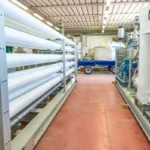
Beyond natural sources, Italy also employs water purification plants to guarantee the safety and quality of its drinking water. These facilities employ cutting-edge technology and methods to purify water from various sources. They remove impurities and contaminants, adhering to stringent quality standards.
Recent statistics indicate that about 85% of Italy’s population has access to piped water, with 65% connected to sewers. The country invests roughly €600 million annually in water supply and sanitation infrastructure. This investment reflects a dedication to maintaining and elevating drinking water quality.

Despite these initiatives, challenges persist. Approximately 15% of the population faces occasional disruptions in service. Non-revenue water, lost due to leaks or other issues, constitutes about 38% of the total supply. Yet, Italian authorities are committed to resolving these issues. They aim to ensure that every citizen has access to safe, dependable drinking water.
Tap Water Safety in Major Italian Cities
Traveling to Italy’s major cities offers the convenience of knowing tap water is safe to drink. Cities like Rome, Venice, Florence, and Milan have modern water treatment facilities. They also maintain strict monitoring practices to ensure high water quality for residents and visitors.
In Rome, you’ll find over 2,500 public drinking fountains, known as "nasoni." These iconic fountains provide safe and refreshing water. This makes it easy to stay hydrated while exploring the city’s historic streets and landmarks. With 85% of the population having access to piped water supply, Rome shows its commitment to clean drinking water.
Venice’s Unique Water System
Venice, built on water, has around 100 public fountains that offer safe and clean drinking water. Despite its unique setting, Venice uses advanced water treatment technologies. Visitors can refill their reusable water bottles at these fountains, reducing plastic waste while enjoying the city’s charm.

Tap Water Quality in Florence and Milan
Florence, the birthplace of the Renaissance, and Milan, the fashion capital of Italy, prioritize their municipal water supplies. These cities have implemented rigorous testing and treatment processes. In Milan, tap water is sourced from a natural aquifer and undergoes regular safety and quality checks. This gives residents and tourists peace of mind when quenching their thirst.
City | Access to Piped Water Supply | Coverage with Sewers | Collected Wastewater Treated |
Rome | 85% | 85% | 65% |
Venice | 90% | 80% | 70% |
Florence | 95% | 90% | 75% |
Milan | 98% | 95% | 80% |
The taste of tap water may vary slightly due to mineral content. Yet, the overall quality remains high across these major cities. With an average urban domestic water and sewer bill of €478/month (2023), Italian cities show their investment in safe and accessible drinking water for all.
Public Drinking Fountains in Italy
Italy is home to a vast network of public drinking fountains, known as "fontanelle." These fountains offer free, fresh water to both locals and tourists. They provide a refreshing respite from the heat and help reduce plastic waste by promoting the use of reusable water bottles.
In Rome, these fountains are called "nasoni," meaning "large noses" in Italian. Dating back to the late 1800s, Rome boasts over 2,500 nasoni fountains. They are scattered throughout the city, ensuring easy access to safe drinking water. These iconic fountains are a key part of Rome’s urban culture and landscape.
Nasoni Fountains in Rome

The nasoni fountains in Rome are both functional and visually appealing. Crafted from cast iron, they feature a distinctive nose-shaped spout. To use one, simply block the spout’s end with your finger. Water will then spray out, forming an arc for you to drink from directly.
Fountain Type | Number in Rome | Water Quality | Accessibility |
Nasoni | Over 2,500 | Safe to drink | Widely available in older parts of the city |
Vedovelle Fountains in Milan

Milan, another major Italian city, has its own public drinking fountains, known as "vedovelle." These cast-iron fountains serve the same purpose as Rome’s nasoni, providing free drinking water. Many Milan residents prefer tap water over bottled alternatives, helping to reduce plastic waste in the city.
The availability of public water fountains like Rome’s nasoni and Milan’s vedovelle showcases Italy’s dedication to accessible, safe drinking water. By using these fountains, you can stay hydrated while exploring Italy’s beautiful cities. This approach helps combat the growing issue of plastic waste.
Drinking Water in Rural Areas of Italy
In Italy’s countryside, the tradition of fetching water from communal sources is deeply rooted. Southern regions, in particular, cherish this practice. Rural communities rely on public fountains, local springs, and private wells for their water needs. These community water sources are known for their purity and unique mineral content among locals.
While most rural areas in Italy have access to clean drinking water, it’s wise to check with locals or your accommodation provider before drinking tap water from private wells. Private wells may not be tested regularly, unlike rural water supply systems managed by local authorities. This could pose risks to consumers.
Water Source | Prevalence | Safety Considerations |
Public Fountains | Common in rural areas | Generally safe, but check for "acqua potabile" sign |
Local Springs | Popular in certain regions | Often considered pure, but confirm with locals |
Private Wells | Varies by location | May not be regularly tested, check before consuming |
In regions like Sardinia, the Mediterranean climate demands high water consumption during summer. Rural communities there use a mix of natural springs, artificial reservoirs, and desalination plants for their rural water supply. While urban tap water meets strict European Union standards, rural water tastes different due to local minerals and treatment.
Exploring Italy’s countryside requires staying hydrated, more so during summer. Use a reusable water bottle and refill it at trusted community water sources. This keeps you refreshed and helps reduce plastic waste. By respecting local water traditions and seeking advice from residents, you can enjoy the unique tastes and mineral profiles of Italy’s rural water.
Bottled Water Consumption in Italy
Despite the availability of clean tap water, Italy leads in bottled water consumption. The country spends billions on bottled water each year. This is due to taste preferences and occasional tap water quality concerns.
In tourist areas, bottled water is preferred, even in hot summer months. Cities like Rome, Milan, and Florence have public fountains near attractions. Yet, many visitors choose bottled water for its convenience.
Popularity of Bottled Water
A small bottle of water costs about €0.30 in supermarkets, but up to €2 at newsstands. Refill stations offer water for just €0.10. Despite these price differences, bottled water’s convenience and perceived safety keep it popular.

In southern Italy, locals refill large containers from public fountains. These fountains, marked as "potabile," have been used for centuries. They are often fed by ancient aqueducts.
Environmental Impact of Bottled Water
Italy’s reliance on bottled water contributes to plastic waste and environmental issues. The country’s efforts to reduce single-use plastics are underway. Initiatives promote public water fountains and reusable bottles.
Tap water in Italy is safe, meeting European standards. Yet, bottled water’s convenience and marketing persist. As environmental concerns rise, finding a balance between safe drinking water and reducing bottled water’s impact is essential.
Tap Water Taste and Mineral Content
In Italy, tap water is generally safe to drink, but its taste can differ by region. The mineral content of Italian water greatly influences its flavor. Southern regions often have harder water, with higher calcium and magnesium levels.
This mineral presence can give water a metallic or bitter taste, noticeable to those used to softer water. Yet, it’s vital to remember that these minerals are not harmful. They can even be beneficial for our health.
City | Water Source | Mineral Content | Taste |
Florence | Mountain springs in the Apennines | High in calcium and magnesium | Unique taste due to mineral content |
Milan | Deep underground aquifers | Contains essential minerals | Comparable to other European cities |
Rome | Various sources, including springs | Varies across the city | Generally pleasant, with regional variations |
Italian tap water meets or exceeds European Union and World Health Organization health guidelines. Regular testing by local authorities ensures water quality and safety standards are met.
Some people might experience mild digestive issues due to water mineral changes. But, this is usually temporary and not a serious concern. Choosing tap water in Italy is a safe, eco-friendly option compared to bottled water, which contributes to plastic waste.
Traveling with a Reusable Water Bottle in Italy
Exploring Italy’s cities and countryside with a reusable water bottle is a smart move. It saves you money and helps the environment. Italy has many public drinking fountains, or "fontanelle," where you can refill your bottle. These fountains offer free, fresh, and safe water, marked as "potabile." Refilling your bottle at these spots helps you save money on drinking water in Italy and reduces plastic waste.
In cities like Rome, Milan, and Florence, public fountains are near tourist spots. This makes it easy to stay hydrated. For instance, Rome has about 2,500 public drinking fountains, known as "nasoni." Venice has 100 public fountains for safe drinking water. Using a reusable bottle instead of buying bottled water, which costs 2 to 3 euros in restaurants, can save you a lot of money during your trip.
Choosing the Right Reusable Water Bottle
When picking a reusable water bottle for your trip to Italy, think about a few things:
- Durability: Pick a bottle made from strong materials like stainless steel or BPA-free plastic. It should withstand travel wear and tear.
- Insulation: Insulated bottles keep your water cool in Italy’s hot summers. They’re great for long sightseeing days.
- Size: Choose a bottle that fits your hydration needs without being too big to carry.
- Leak-proof: Make sure your bottle seals well to avoid leaks and spills in your bag.
Environmental Impact
Italy is a big consumer of bottled water, spending billions of euros on it each year. Using a reusable water bottle in Italy helps reduce plastic waste. Public water fountains offer an alternative to single-use plastic bottles, helping with disposal issues.
Refilling your water bottle at public fountains is a sustainable practice. It not only saves money on drinking water while traveling in Italy but also benefits the environment. So, as you start your Italian journey, don’t forget your reusable water bottle. Use the country’s many fontanelle for refreshing, affordable hydration.
Water Houses: Self-Service Water Dispensers
Italy boasts numerous public drinking fountains, but it also features innovative water houses, or self-service water dispensers. These structures, resembling large boxes, offer both regular and sparkling water. They cater to locals and travelers, providing a convenient way to stay hydrated. Unlike traditional fountains, water houses in Italy also offer carbonated water for those who enjoy a fizzy drink.
Located in central areas, these self-service water dispensers are easy to find and access. Some even come equipped with phone chargers, adding to their convenience. By providing free, clean drinking water, they encourage people to refill their bottles. This move helps reduce single-use plastic bottle consumption and promotes sustainability.

The popularity of water houses in Italy is evident in the following table, which showcases the number of dispensers in various Italian cities:
City | Number of Water Houses |
Milan | 52 |
Rome | 38 |
Turin | 27 |
Florence | 18 |
The widespread availability of water houses throughout Italy shows the country’s dedication to accessible, safe drinking water. By embracing these self-service water dispensers, Italy is actively reducing plastic waste. It’s also encouraging the use of reusable water bottles, setting a positive example for other countries to follow.
Tap Water Quality in Italy Compared to Other European Countries
In the realm of european tap water quality comparison, Italy stands out as a leader. The Environmental Performance Index (EPI) places Italy second globally for drinking water and sanitation, after Singapore. This italian water quality ranking highlights Italy’s dedication to maintaining high tap water standards.
Italy’s tap water quality is on par with other Western European nations, thanks to strict drinking water standards europe. The European Union’s Water Framework Directive dictates water quality across the continent. Italy scores a perfect 100, aligning with countries like the United States and Singapore.
Travelers in Italy can drink tap water with confidence, similar to other developed European countries. Cities like Rome, Milan, and Florence have tap water that’s regularly tested and treated. The abundance of public drinking fountains, like Rome’s Nasoni and Milan’s Vedovelle, shows Italy’s tap water is accessible and reliable.
Though some rural areas in Italy may struggle with water quality, the government and local authorities are working to improve it. They aim to ensure all residents have access to safe drinking water. Italy’s commitment to european tap water quality comparison standards makes it a model for prioritizing public health..
The Importance of Staying Hydrated While Traveling in Italy
Exploring Italy’s landscapes and cities requires staying hydrated, more so in warmer months. Dehydration can cause fatigue, dizziness, and health issues, spoiling your trip. Knowing how to access safe drinking water and staying hydrated ensures a fulfilling Italian journey.
Avoiding Dehydration in Hot Weather
Italy’s summer can be hot and humid, raising dehydration risks. To avoid dehydration, follow these tips:
- Carry a refillable water bottle and sip regularly throughout the day
- Take advantage of the numerous public drinking fountains found in cities and towns
- Opt for water-rich foods like fruits and vegetables
- Limit alcohol and caffeine consumption, as they can have a diuretic effect
- Wear lightweight, breathable clothing and a hat to protect yourself from the sun

Accessibility of Drinking Water
Italy provides various safe drinking water sources, making hydration easy for travelers:
Water Source | Availability | Safety |
Tap Water | Widely available in cities and towns | Generally safe to drink, adhering to EU standards |
Public Fountains | Found in most urban areas, often marked as "acqua potabile" | Safe to drink, regularly tested and maintained |
Bottled Water | Readily available in stores, restaurants, and hotels | Safe and popular choice, albeit more expensive |
Knowing these water sources helps you stay hydrated in Italy. Accessing drinking water in Italy is straightforward. Always refill your water bottle to keep hydrated.
"Water is the driving force of all nature." – Leonardo da Vinci
Following da Vinci’s wisdom, prioritize hydration in Italy. This ensures you can fully enjoy the country’s culture, history, and beauty.
Italian Regulations and Monitoring of Drinking Water Quality
Italy follows the European Union’s Water Framework Directive closely, ensuring its drinking water is safe and clean. This directive outlines detailed guidelines for water management, treatment, and monitoring across Europe. Its main aim is to protect and improve water quality.
The Italian National Institute of Health (ISS) is responsible for enforcing these italian water quality regulations. The ISS regularly conducts italian national institute of health water monitoring. This ensures water treatment facilities adhere to standards and drinking water is free from harmful substances.
The ISS uses a thorough testing method, examining water samples for various microbiological, chemical, and physical aspects. This approach aligns with the eu water framework directive. It ensures the water provided to Italian homes and businesses is of the highest quality.
Some key statistics show the success of Italy’s water quality management:
- 85% of the water in Italy’s national supply network comes from groundwater sources
- Italy’s tap water is ranked as the fifth-best in Europe for overall quality
- The average urban water use in Italy is 214 liters per capita per day (2022)
- 18% of total water withdrawals in Italy are made for drinking water supply
Despite these impressive figures, Italy continues to invest in its water infrastructure. It spends around €600 million annually (circa 2000), or €11 per capita per year. This ongoing investment ensures Italy remains a leader in delivering safe, clean drinking water to its people.
Drinking Water Safety Concerns in Italy
Italy is known for its high-quality tap water, ranking fifth in Europe. Yet, occasional drinking water safety concerns can arise due to local factors. These may include aging infrastructure and poorly maintained private water systems, leading to water contamination risks and health issues.
Recently, the presence of per- and polyfluoroalkyl substances (PFAS) in drinking water has become a major concern in Italy. The Forever Pollution Project found nearly 23,000 contaminated sites across Europe, including Italy. In Italy, PFAS levels exceeded EU limits in four municipalities: Caravaggio, Mozzanica, Corte Palasio, and Crespiatica. A Greenpeace report also revealed PFAS in over 70 municipalities in Piedmont, with higher levels in Alessandria province.
Year | Rivers Exceeding EQS | Lakes Exceeding EQS | Coastal Waters Exceeding EQS |
2018 | 51% | 11% | 100% |
2019 | 52% | 23% | 68% |
2020 | 58% | 27% | 47% |
2021 | 60% | 31% | 86% |
2022 | 54% | 35% | 73% |
Despite these concerns, the majority of Italy’s tap water is safe to drink. Italy’s tap water ranks fifth in Europe for quality. If you’re unsure about the water quality in a specific area, it’s wise to consult with locals or your accommodation provider.
The European Union has proposed quality standards for PFAS in water. They aim to ensure drinking water safety across the continent, including Italy. The proposed standards include a limit of 0.5 µg/l for total PFAS in drinking water, with a stricter limit of 0.1 µg/l for 20 specific PFAS.
Famous Italian Mineral Water Brands
Italy is home to over 300 mineral water brands, found in supermarkets across the country. These brands tap into more than 2,500 natural springs, each with its own distinct flavor and mineral profile. San Pellegrino, Acqua Panna, and Ferrarelle are among the most renowned.
San Pellegrino, often called the "champagne of mineral waters," has a global following. It has a rich history dating back to the 19th century. Acqua Panna is known for its ability to combat kidney stones and water retention, thanks to its balanced Calcium and Magnesium levels. Ferrarelle, sourced from an extinct volcano in Campania, is ideal for those on low sodium diets due to its high Calcium, Bicarbonate, and Sulphates content.
Other notable Italian mineral water brands include:
- Sant’Anna: Flowing from a source at 2000 meters in the Maritime Alps, it has one of the lowest sodium contents globally.
- Acqua di Nepi: 100% natural effervescent water, bottled directly at the source.
- Lauretana: Noted for its very low mineral content, suitable for those requiring low mineral intake.
- Levissima: Has a balanced mineral composition and is recommended for general hydration.
- Plose: Known for its exceptionally low mineral content from the Dolomites, with its source located at an altitude of 1870 meters.
Brand | Key Characteristics | Health Benefits |
Sole | Offers both stil and sparkling varieties, known for its balanced Calcium, Magnesium, and Bicarbonates | Maintains strong bones and regulates heart rhythm |
Boario | High in Magnesium and Calcium | Beneficial for digestive health |
Sangemini | Rich in minerals | Promotes bone health and reduces blood pressure |
Fonte Essenziale | High in minerals | Aids in intestinal and hepatic regulation |
Italian mineral water brands have gained significant global presence, available in the USA, Canada, Japan, Australia, and China. While not essential for hydration, many enjoy the taste and perceived health benefits of these premium brands.
Conclusion: Enjoying Safe and Accessible Drinking Water in Italy
Italy is a treasure trove for those seeking safe and accessible drinking water. Both locals and tourists can easily stay hydrated amidst the country’s vibrant culture and history. The European Union’s Drinking Water Directive, updated in December 2020, sets high standards for water quality. By January 2023, all Member States, including Italy, must adhere to these stricter guidelines. These changes aim to reduce contaminants like PFAS and endocrine disruptors, showing Italy’s dedication to safe drinking water.
In cities like Rome, Venice, Florence, and Milan, tap water is not just safe but also abundant. Venice, for instance, draws its water from the Venetian Lagoon and underground wells. This water is treated to meet EU and WHO standards, ensuring it’s safe for drinking. Visitors can drink from the taps and fountains, cutting down on plastic bottle use. Using reusable water bottles and water houses not only saves money but also helps the environment.
With millions of tourists visiting Italy annually, it’s vital to use water responsibly. Knowing about tap water safety allows visitors to make eco-friendly choices. Whether enjoying Rome’s nasone or Venice’s unique tap water, travelers can stay hydrated. They can also dive into Italy’s rich culture, knowing safe drinking water is always available.
FAQ