Steering Clear of Water-Borne Diseases: Effective Prevention Strategies
- Published:
- Updated: November 23, 2024
Listen to this article
Summary
Water-borne diseases pose significant health risks, particularly in developing nations due to contaminated water sources. Effective prevention strategies are crucial:
- Recognizing Water-Borne Diseases: Infections transmitted via contaminated water, causing illnesses like cholera, dysentery, and hepatitis A.
- Symptoms: Include diarrhea, nausea, fever, and dehydration, necessitating immediate medical attention.
- Prevention Measures: Emphasize good hygiene, safe water sources, thorough food cooking, waste management, water treatment, vaccination, safe swimming, education, and advocacy for clean water access.

Water-borne disease is one of the biggest health problems worldwide, especially in developing nations. They’re the result of polluted water supplies and cause acute illness and death. And effective prevention can be the difference between avoiding waterborne illness and a world where everyone has access to safe, clean water.
What are Water-Borne Diseases?
Water-borne illnesses are diseases transmitted by water. The water may be sullied by human or animal faeces, chemicals or other contaminants. When people consume or inhale contaminated water, they can get sick with a range of symptoms. Cholera, dysentery, typhoid, hepatitis A and others are among the most common waterborne diseases.
Symptoms of Water-Borne Diseases

The symptoms of water-borne diseases can vary depending on the type of infection, but some common symptoms include:
- Diarrhea
- Nausea and vomiting
- Stomach cramps
- Headaches
- Fever
- Muscle aches
- Dehydration
If you experience any of these symptoms after drinking or coming into contact with contaminated water, it is important to seek medical attention immediately.
How to Prevent Water-Borne Diseases
Water-borne disease prevention is a must if you want to keep yourself, and other people’s, healthy. Here are some simple measures to prevent such diseases:
Practice Good Hygiene
Sanitation is the best defense against water diseases. That means washing your hands often with soap and water, before eating or cooking. Don’t also touch your face and mouth with unwashed hands.
Use Safe Water Sources
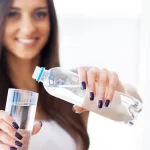
Use safe water when traveling or in countries where water is a risk. That means either bottled water or water disinfected by water purification tablets. You also should never drink stream, river or lake water that has not been tested and approved safe to drink.
Cook Food Thoroughly
Preventing water-borne diseases can also be done by thoroughly cooking food. This is especially true if you’re on the road or at any time when food is potentially poisoned. Don’t eat raw food or undercooked food as this is a violation of your health regulations.
Keep and Eliminate Waste Effortlessly Store and Destroy Waste.
Store and dispose waste properly to avoid waterborne disease. This means sanitising human and animal waste, as well as making sure waste is not a source of contamination in water supplies.
Treat Water Before Drinking
Be sure to filter the water before drinking it if you live in a region with contaminated water sources. : This can be accomplished using water purification tablets or boiling the water for 1 minute or less.
Get Vaccinated
Also getting vaccinated is another very efficient prevention against water diseases. There are vaccines against some of the most common waterborne illnesses, such as cholera and typhoid. Ask your doctor which vaccines are best for you based on where you’re going and your health.
Practice Safe Swimming Habits
Swim in a safe manner if you’re going to go swimming in lakes, rivers, or any other water body. This means that you should never swallow water, don’t swim in a contaminated water and don’t swim where there are many bacteria or pollutants.
Educate Yourself and Others
Water disease prevention needs education. Know what you are risking from the contamination of water, and how you can avoid infection. Remember also to educate others (including kids) about the use of proper hygiene and safe water.
The Importance of Clean Water
Clean water is a must for the prevention of water-borne illnesses. Weak water can transmit bacterium, virus, and other pathogens that can make people sick. Clean water is scarce in most developing nations, which can lead to water-borne diseases. It’s the responsibility of governments, organizations and citizens to make safe water available to people more readily.
The Role of Sanitation in Preventing Water-Borne Diseases
It’s the sanitation that prevents waterborne disease. Disposal of human and animal waste (among other wastes) is important for avoiding the possibility of water contamination. Slumber can lead to the dissemination of virulent germs and lead to a rise in water-borne disease. Infrastructural sanitization at home, school and community levels is very important for water-borne diseases.
The Connection Between Environmental Factors and Water-Borne Diseases
The natural world also contributes to water-borne disease. Water can become contaminated from climatic change, overpopulation, industrialisation – and with it, water-borne diseases. Water pollution and loss of natural waters are other environmental causes of water-borne illness. You need to know what environmental factors lead to water-borne diseases and how you can avoid them.
What are the Benefits of Water Purification Techniques?
Purifying water is a good method of water protection from diseases. Purifying water can remove contaminants and toxic materials from water so it’s safe to drink. Water purification procedures ranging from filtration, chlorination to ultraviolet light are many. Water Purification Techniques: The water purification technique for your water is primarily determined by water quality, contaminants and purification level.
Why is Regular Monitoring of Water Sources Important?
A regular check on the water bodies is a must for the prevention of waterborne disease. By testing water for contaminants and pollutants, you keep it safe and by catching any problems early on, you avoid disease. Everybody – governments, organisations, individuals – needs to keep track of waterways and take actions to make sure that they’re protected. By being water vigilant, we’re able to prevent waterborne disease.
The Role of Personal Responsibility in Preventing Water-Borne Diseases
Water-borne diseases can be prevented only by individual action. These include being hygienic, drinking clean water, cooking, storing and discarding waste, sanitizing water before drinking it, safe swimming and educate yourself and others. If we are individualists in taking care of our health and the health of others, we can deter waterborne disease and encourage health.
The Benefits of Early Diagnosis and Treatment
Water-borne diseases need to be diagnosed and treated promptly to prevent dreadful effects. Symptoms can be caught early and treated early to stop disease from progressing. Treatment can, essentially, avoid major complications and expedite the healing process. Get immediate medical help if you suspect you have a water-borne illness, and listen to healthcare professionals for advice so that you can get the best treatment.
Share this on social media:
Facebook
Twitter
LinkedIn

Related Posts