Ensuring Safe Drinking Water through Regular Water Testing
- Published:
- Updated: January 2, 2025
Listen to this article
Summary
Regular water testing is essential for ensuring safe drinking water, vital for public health. Identifying contaminants early prevents health risks and maintains confidence in water quality.
- Testing detects harmful bacteria, chemicals, and heavy metals
- Responsibility for testing varies but includes local utilities and individuals
- Methods range from at-home kits to professional services, ensuring reliable results.

Proper drinking water is vital for the public health and wellbeing, so regular water testing is a must. Our daily checks on water quality can alert us to pollutants and treat risks before they’re too late. Water testing provides a way to ensure that water does not fall outside the limits of safety and build trust in the water system.
Why is Regular Water Testing Important?
Water testing helps to make sure that the water you consume is free of contaminants like bacteria, chemicals and heavy metals. A water that has contaminated is the cause of several health conditions, from stomach and skin irritation to liver and kidney disease. If you test the water on a regular basis, you can be aware of the issues and make plans to correct them.
It’s not like all contaminants are aesthetically or tastefully or odourlessly invisible. So even when water seems clean, be sure to test it regularly to make sure that there are no contaminants present. Lead, for instance, is a heavy metal that’s extremely unhealthy but smells, tastes and tastes nothing. You will never know with routine water testing that lead and other harmful contaminants aren’t in your water.
What Contaminants Should be tested for in Drinking Water?

There are a variety of contaminants that can be present in drinking water, including bacteria, chemicals, and heavy metals. Some of the most common contaminants that should be tested for include:
- Bacteria: Bacteria, such as E. coli and Salmonella, can cause serious illness if present in drinking water. Bacterial contamination can occur due to a variety of factors, including broken water mains, contaminated wells, and failing septic systems.
- Chemicals: Chemicals, such as pesticides, herbicides, and industrial pollutants, can be harmful if present in drinking water. Chemical contamination can occur due to a variety of factors, including agricultural runoff, leaking landfills, and industrial discharge.
- Heavy metals: Heavy metals, such as lead and mercury, can cause serious health problems if present in drinking water. Heavy metal contamination can occur due to a variety of factors, including corrosion of plumbing systems, mining activities, and industrial discharge.
It’s important to test for these contaminants on a regular basis, as they can have serious health impacts if present in drinking water.
Who should be Responsible for Testing Drinking Water?
The responsibility for testing drinking water can vary depending on the source of the water and the location in which it’s being consumed. In some cases, water testing may be the responsibility of local water utilities, while in other cases, it may be the responsibility of individual households or businesses. It’s important to understand who is responsible for testing drinking water in your area and to take action to ensure that regular water testing is conducted.
In some cases, local water utilities are required to test drinking water and make the results available to the public. However, even if water testing is the responsibility of the local water utility, it’s still a good idea for individuals and businesses to regularly test their own water to ensure that it’s free from harmful contaminants.
How to Test Drinking Water
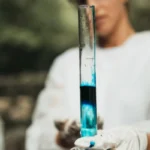
A variety of methods exist for testing drinking water, such as at-home water testing kits and professional water testing. At-home kits, which are available for purchase, can test for various contaminants and provide quick results. Although they are easy to use, these kits may not be as comprehensive as professional water testing. They are suitable for those who want to routinely test their drinking water and monitor potential contaminants. On the other hand, professional water testing is conducted by trained specialists and offers more comprehensive results. This method is recommended for those seeking a thorough analysis of their drinking water, including tests for a wider range of contaminants.
Professional water testing services involves collecting a sample and sending it to a laboratory for analysis. Regardless of the chosen method, it is crucial to ensure testing is conducted by a reputable and accredited laboratory. Accreditation by organizations like the National Environmental Laboratory Accreditation Conference (NELAC) or the National Testing Association (NTA) helps guarantee accurate and reliable results.
What to do if Contaminants are found in Drinking Water
If contaminants are found in drinking water, it’s important to take appropriate action to address the problem. Depending on the type and severity of the contaminant, this may include:
- Boiling water before consumption: Boiling water can kill certain types of bacteria and other contaminants. Boiling water is a simple and effective way to make drinking water safe, but it’s important to note that boiling water will not remove lead or all types of contaminants, such as heavy metals and chemicals.
- Installing a water filtration system: Installing a water filtration system, such as a reverse osmosis system or activated carbon filter, can help to remove contaminants from drinking water. Water filtration systems are available in a variety of sizes and types, and can be tailored to address specific contaminants in drinking water.
- Seeking alternative water sources: In some cases, it may be necessary to seek alternative water sources if the water is contaminated and cannot be effectively treated. This may involve installing a water filtration system, switching to bottled water, or seeking a different water source, such as a well or spring.
Importance of Water Testing in Rural Communities
Drinking water can be especially important in rural areas where sources of drinking water are limited and possibly more prone to contamination. Water in the countryside can be wells, springs and streams, and not be regulated or tested like water from public water sources.
In rural areas, you should test water often to make sure it’s safe and isn’t contaminated. While it’s important to maintain public health, routine water testing can also save the environment by discovering and preventing water pollution. In cooperation with local water utilities and community groups, rural areas can act to keep their water clean and safe for future generations.
The Role of Government in Regulating Drinking Water Quality
The state regulates drinking water quality and makes sure that the water is suitable for human consumption. The Drinking Water Standards, and their implementation at water sources, are set by federal and state agencies like the Environmental Protection Agency (EPA) and state health departments.
Not only does the government provide standards, but also funds and resources for water testing and treatment projects, and for public education and outreach to ensure people have access to clean drinking water. Government agencies can be responsible for delivering clean and safe water for the whole community by connecting them with local residents and water companies.
Share this on social media:
Facebook
Twitter
LinkedIn

Related Posts