Demystifying the Contaminants Lurking in Your Drinking Water
- Published:
- Updated: November 14, 2024
Listen to this article
Summary
Contaminants in drinking water pose health risks and require understanding and protection. Key points include:
- Common contaminants include bacteria, heavy metals, chlorine, pesticides, pharmaceuticals, microplastics, and endocrine-disrupting chemicals.
- Contaminants enter water sources through leaks, runoff, sewage, and natural sources, necessitating effective filtration systems.
- Health impacts of contaminated water include gastrointestinal illness, developmental issues, neurological problems, and cancer.

It is very important to get our water in, but contaminants sometimes end up in our water system. These pollutants are not just natural ones but they can be chemical contaminants that we cannot treat without the appropriate action. You need to know what contaminants you have in your water and how to guard yourself against them.
What are the contaminants in drinking water?
It’s possible to find contaminants in our drinking water from agricultural run-off, industrial effluent, and even human excrement. The most common contaminants are:
Bacteria and viruses
Heavy metals like lead, mercury, arsenic etc.
Chlorine and chloramines
Pesticides and herbicides
Pharmaceuticals and Personal Care Products (PPCPs)
Endocrine-disrupting chemicals (EDCs)
Microplastics
How do contaminants get into drinking water?

Contaminants can enter drinking water sources through a variety of pathways, including:
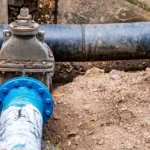
- Leaks in underground pipes
- Runoff from agricultural and industrial activities
- Improperly treated sewage
- Natural sources such as minerals and rocks
Understanding Water Filtration Systems
Investing in a water filtration system is an effective way to ensure that the water you drink is safe and healthy. However, with so many systems on the market, it can be difficult to choose the right one for your needs. When choosing a water filtration system, it is important to consider the contaminants present in your drinking water and the levels at which they are present. This information can be found in your local water quality reports. Some common types of water filtration systems include activated carbon filters, reverse osmosis systems, and ultraviolet light systems.
The dangers of contaminated drinking water
Contaminated drinking water can have serious health impacts, including:
- Gastrointestinal illness
- Developmental and reproductive problems
- Neurological problems
- Cancer
In some cases, exposure to contaminants in drinking water can also lead to long-term health problems, such as liver and kidney damage, and even death.
How to protect yourself from contaminated drinking water
To make sure that you and your family aren’t exposed to contaminated water, here are a few steps you can take to make sure your drinking water is safe. The first place to look is your local water quality report. Your water company should issue annual reports to your business that detail the contaminants in your drinking water and the concentrations at which they’re circulating. You can also buy a water filter that will filter your water from contaminants.
There are various types of systems from pitcher filters to powerful reverse osmosis systems. You can also donate to clean water programs by participating in local projects that protect and clean your drinking water. This can include donating to organisations that help keep rivers and streams safe from contamination, and pushing for stricter rules on industrial effluent and agricultural drainage.
The Impact of Agricultural and Industrial Activities on Drinking Water
Farmers and industrial processes can be seriously adverse to the drinking water. We get the chemical contaminants from agricultural runoff into our drinking water. Metals, chemicals and other toxins can leach into waterways from industrial discharge. It’s critical to regulated and managed so that they don’t release into the environment, so that drinking water doesn’t get affected by these pollutants.
The Importance of Sewage Treatment
Getting the sewage treatment treated is also an important part of having clean drinking water. Not properly treated sewage leaches bacteria, viruses and chemicals into the waterways. The most successful sewage treatment is the removal of pollutants and treating the water so it is not harmful to the environment. Municipalities must invest in efficient sewage treatment plants to maintain drinking water and public health.
Microplastics: A Emerging Contaminant in Drinking Water
Microplastics are micro-sized plastic fragments less than 5mm across that have been a growing concern in water supply. The way that microplastics get into water is a variety of ways: from the breaking up of large plastic objects, from the release of microbeads in personal care products, to the release of microfibers in synthetic clothes. Not many know what effect microplastics will have on human health, but we do know that they can release toxic chemicals into the environment and might endanger aquatic organisms and human health.
What are the Risks of Pharmaceuticals and Personal Care Products (PPCPs) in Drinking Water?
Drinking water is becoming a problem with medications and personal care products (PPCPs). They enter waterways from wastewater discharged from residences, hospitals and businesses. Others (hormones, antibiotics) are endocrine-disrupting agents, and affect the growth and reproduction of aquatic organisms. Limit the releases of PPCPs into the environment, and put money into water treatment plants that will filter them out.
The Role of Endocrine-Disrupting Chemicals (EDCs) in Drinking Water
Drinking water is a growing source of endocrine disruptor chemicals (EDCs). Such chemicals can affect the normal functioning of hormones in the body, and can be harmful to health — causing developmental and reproductive dysfunction, neurological disorders and cancer. EDCs enter water supplies in a number of ways, from the discharge of wastewater from homes and businesses to the discharge of agricultural runoff. Drinking water should be protected from EDCs by limiting their emission into the environment and investing in efficient treatment plants to filter it.
Share this on social media:
Facebook
Twitter
LinkedIn

Related Posts