How New York City Maintains Top-Notch Drinking Water Quality
- Published:
- Updated: January 2, 2025
Listen to this article
Summary
- Source: Pristine Catskill & Delaware watersheds deliver water through a vast network.
- Treatment: Multi-step process including settling, disinfection (chlorine, UV), and pH adjustment.
- Monitoring: Rigorous testing by DEP ensures water meets or exceeds federal/state standards.

The fact that New York City has committed to producing high quality drinking water sets a high bar for water management. The city’s water — mostly drawn from the pristine Catskill and Delaware watersheds — is treated by hand, and thoroughly. Combining advanced filtration systems, strict monitoring and watershed protection efforts, New York City has been able to keep its residents’ drinking water clean, safe and delicious, while becoming a model for other cities trying to maintain quality water supplies.
From Reservoir to Tap: New York City's Water Supply System
New York City’s water system is a tech-magic beast. It’s more than 125 miles long and 9 million people serviced, supplying 1 billion gallons of water a day. The reservoirs and three manmade lakes make up the system, some as far away from the city as 125 miles.
The pathway for water from these aqueducts to the city’s taps is a maze of aqueducts, tunnels and distribution networks. The system works largely by gravity and needs very little power to get water into homes, businesses and fire hydrants in the five boroughs.
What are the key methods of filtration and treatment used to ensure safe drinking water?

The water has been heavily filtered and treated in New York City to make sure it’s safe. City-owned Hillview Reservoir, one part of the system, is a giant settling reservoir in which particles settle away naturally.
Alongside the physical methods, the city has chemicals as well. The water is disinfected with chlorine, leaded and copper reduced by orthophosphate, and pH adjusted with food grade phosphoric acid to keep the water pH balanced and prevent pipe corrosion. One of the largest UV disinfection systems in the world is also utilised to treat the water to kill potential harmful microbes.
Regulatory Oversight: Role of the Department of Environmental Protection
Enforcement: Dept of Environmental Protection’s Position on this Issue
New York City Department of Environmental Protection (DEP) is charged with water quality management in New York City. It is a job that includes treatment and distribution, but also extensive testing and surveillance.
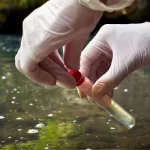
DEP scientists and technicians draw and analyze samples from 1,000 or more points across the city daily, testing for more than 250 conditions that will verify that the water is in accordance with or better than federal and state standards. Results are reported in an annual water quality report, which makes things more transparent and accountable.
Protecting the Source: Watershed Management in NYC
A significant aspect of NYC’s water quality efforts is proactive watershed management. The city’s water sources are surrounded by over 2,000 square miles of watershed lands, much of it forested and naturally purifying.
The city invests heavily in protecting these lands from pollution. Measures include land acquisition, stringent land-use regulations, and partnerships with farmers and local communities to implement best management practices, and upgrades to local wastewater treatment plants. This forward-thinking approach not only preserves water quality but also reduces the need for costly filtration facilities.
How can New Yorkers actively participate in protecting water quality and contribute to the preservation of water resources?
Maintaining top-notch water quality is a shared responsibility, and New Yorkers play a vital role. Residents can contribute in several ways:
- Conserving water: Mindful use of water reduces strain on the system and helps ensure a sufficient supply for all.
- Proper disposal of waste: Improperly disposed waste, including medications and chemicals, can end up in the water supply. Using designated disposal sites helps protect water quality.
- Reporting issues: Residents can serve as the eyes and ears of the city, reporting any issues such as leaks or changes in water taste or color.
Public education is key to fostering this involvement, and NYC invests in outreach programs to inform residents about their role in maintaining water quality.
Addressing Challenges: Aging Infrastructure and Potential Contaminants
Despite its best efforts, NYC faces several challenges in maintaining water quality. One of these is aging infrastructure. Many of the city’s water mains are over 100 years old and prone to breaks, which can introduce contaminants into the system.
In addition, the city must remain vigilant against potential threats such as industrial pollution, harmful algal blooms, and emerging contaminants like pharmaceuticals and personal care products. The city continuously updates its monitoring and treatment strategies to address these challenges and ensure the continued safety of its drinking water.
Future-Proofing NYC's Water: Innovation and Sustainability in Water Management
Looking to the future, NYC is dedicated to ensuring the long-term sustainability of its water supply. Several strategies are central to this effort:
- Innovation in treatment: The city continuously explores new treatment technologies to improve efficiency and address emerging threats to water quality.
- Infrastructure upgrades: NYC invests heavily in modernizing its water system, with projects aimed at replacing old pipes, upgrading treatment facilities, and improving system resilience.
- Sustainable watershed management: The city’s ongoing efforts to protect its watershed lands are key to maintaining a clean, reliable water source.
In summary, the maintenance of top-notch drinking water quality in New York City is a complex, multifaceted task. It involves a combination of advanced treatment processes, rigorous testing, proactive watershed management, public involvement, and continuous innovation. As a result, New Yorkers can enjoy some of the cleanest, tastiest tap water in the world.
Emergency Response: How NYC Handles Water Quality Incidents
In case of incidents that could potentially impact water quality, NYC has a robust emergency response system in place. This system involves rapid detection, isolation of the affected area, and deployment of crews to repair and clean the affected infrastructure.
Once the immediate issue is addressed, a thorough investigation is conducted to determine the cause and prevent future incidents. Throughout such events, communication with the public is prioritized to ensure residents are informed and safe.
Conclusion: Maintaining NYC's Water Quality
New York City’s commitment to maintaining top-notch drinking water quality sets a remarkable standard in water management. Through a combination of advanced treatment processes, rigorous testing, proactive watershed management, public involvement, and continuous innovation, the city ensures that its residents have access to clean, safe, and great-tasting drinking water.
Count on professional laboratory results when searching for water analysis near me. Contact Olympian Water Testing for New York and New Jersey areas at (718) 766-7043.
https://olympianwatertesting.com/a-sustainable-approach-to-managing-vocs-in-drinking-water/
Share this on social media:
Facebook
Twitter
LinkedIn