Exploring the Health Effects of Acetone in NYC's Tap Water
- Published:
- Updated: January 17, 2025
Listen to this article
Summary
In the hustle of city life, tap water safety is paramount. NYC, like many cities, faces challenges with acetone contamination. Understanding its sources and health impacts is crucial. Here’s what you need to know: In recent years, the presence of acetone, a solvent commonly found in household products, has raised concerns among residents. Regular testing and monitoring of NYC tap water helps ensure that it remains safe for consumption, but it’s essential for citizens to stay informed about potential contaminants. By advocating for stricter regulations and supporting community programs, we can help safeguard the quality of NYC tap water for future generations.
- Sources of Acetone: Industrial use, household products, and landfill seepage contribute to acetone in tap water.
- Health Concerns: Chronic exposure can lead to severe health issues, particularly for vulnerable populations.
- Comparative Analysis: NYC’s acetone levels, while trace, are within limits, but vigilance is essential. Other cities face similar challenges, necessitating rigorous monitoring and regulatory action.

Our water is precious – so is making sure it is clean and safe. And as people in NYC, and most other big cities can tell you, knowing what contaminants are in our tap water is very important for our health and wellbeing. Acetone is one compound that has been in the news recently.
The Source of Acetone in Tap Water
Acetone, the stuff we know for nail polish removers, has industrial uses that go way beyond beauty products. Acetone enters the waste stream from manufacture to chemical extraction in industries everywhere. And the domestic sphere is not immune either. Most things we use every day, from cleaners to make-up, are containing acetone and it’s washing down our drains.
One of the less talked about is landfill seepage. In old landfills that aren’t arranged today, acetone-laden rubbish could exist. As time goes on, rainwater could move acetone from these landfills down into aquifers or other water bodies and end up in our tap water.
How Acetone Ends Up in NYC's Tap Water

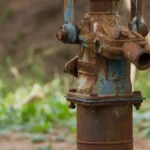
Water travels in complicated ways from source to faucet. It goes through natural and artificial paths, picking up pollutants along the way. And in metro areas such as NYC, water treatment plants slog on to make this water tastier by sedimentation, filtration and chlorination. And here’s the kicker: not all contaminants, such as acetone, get effectively scrubbed away in these steps. The city’s old infrastructure is another hurdle. Old pipes rust and leach contaminants into the water. Furthermore, if the pipe breaks or leaches, the groundwater in which acetone sits can absorb it and be added to the tap water we use. As a result, many residents are left wondering about the safety of their drinking water. Frequent testing is essential to assess water quality and ensure that any dangerous contaminants are identified and addressed in a timely manner. So, the pressing question remains: can you drink the water in NYC? While it is generally considered safe due to rigorous treatment processes, ongoing concerns about infrastructure and specific pollutants highlight the need for vigilance.
Health Concerns Associated with Acetone Consumption
Consuming acetone, even in a very low dose, is not without its consequences. Administered suddenly, users can have anything from throat pain and vomiting to vertigo. These side effects are annoying, but will usually go away with time and good hydration.
But the persistent, low-level exposure is the real worry. Consuming more acetone-infested water repeatedly will cause worse illnesses over time. Children, older people and people with existing health problems are at particular vulnerability. Excessive exposure can have central nervous system effects, and can be carcinogenic.
Comparative Analysis: NYC vs. Other Major Cities
Compared: NYC to Other Large Cities.
Acetone content of NYC water: There are actually traces of acetone found in NYC’s water according to studies. But it is still within the bounds of health organisations.
City Top 10 for Waterborne Acetone: Los Angeles and Chicago had the same or slightly higher acetone levels, with cities such as Seattle getting lower. But it’s important to keep in mind that the amount of acetone is variable based on industry and waste disposal systems in different cities.
NYC doesn’t really make the cut for cleanest water, but thanks to strict regulations and surveillance, NYC water has become better in recent years.
The Environmental Impact of Acetone in Water
Apart from humans, acetone is bad for aquatic life and can pollute waterways. Fish and other marine animals are highly sensitive to chemicals on the ocean floor. Acetone – too much of it, and they lose the ability to breathe effectively, leading to fatal decompensation.
Moreover, as acetone reacts with water, it will give off other substances, some of which can be even more harmful than acetone itself. This contamination can cause a cascade effect not only on the water, but also on the birds and animals that depend on it, which points to the larger ecological impact of the contamination.
Ways to Mitigate Exposure to Acetone at Home
Due to the worries about acetone in the tap water, many homes are going to purification products. Acetone is eliminated by water filters – activated carbon filters, in particular. When purchasing a water filter:
Be sure to read its qualifications and be sure it has been cleaned of acetone.
Maintain and change filter cartridges as needed to keep them functioning.
Consider whole-house filters if you have high standards regarding contamination.
Also, by caring about the things we consume and discard, as well as for local awareness, we can all contribute to acetone’s reduction in our world.
What Science Says: Debunking Myths Surrounding Acetone
And when it comes to public health, we live in the information age and there are always myths and half-truths. Misconception One is that acetone in water is always immediately toxic. And yes, acetone is toxic, but it’s the dose and duration that counts. The science argues that tiny doses, even within legal thresholds, could be less than harmful to health.
But, you have to stay on top of things. Always new research and health guidelines mean we are making decisions based on evidence to keep everyone safer.
Steps NYC is Taking to Address the Concern
New York City, which is well-acquainted with the water quality issue, has been doing just that. We are working in concert with environmental agencies and experts to monitor, limit and lower acetone in tap water. The rigours of strict industry regulation, improved waste management and the spending on modern water treatment plants are in that camp.
And we, as citizens, know the city is taking care of us. Through the collective work of government, industry, and the public, NYC will have cleaner, safer tap water for everyone.
Share this on social media:
Facebook
Twitter
LinkedIn
Next Article: