Understanding the Zinc Content in NYC’s Tap Water
- Published:
- Updated: January 17, 2025
Listen to this article
Summary
In NYC, zinc in tap water presents a complex issue with health and environmental implications. Key points include:
- Zinc, essential yet potentially harmful in excess, poses challenges for water quality management.
- Sources include aging plumbing and industrial runoff, necessitating careful monitoring.
- Regulatory guidelines set by the EPA and WHO guide zinc levels, with testing methods ranging from simple strips to professional labs.

The taps that drain New York City hide a secret not usually acknowledged: Zinc, the silvery trace that bobs silently through our pipes. Even if it is famed for its premium tap water, New York knows better than to fight to keep up quality in a city. Zinc, so important but hazardous in excess, sets up the question box.
Overview of Zinc: Its Roles and Implications
Zinc isn’t just another chemical number on the periodic table – it’s a necessary mineral, and a component of immune systems, wound healing and DNA. But the paradox of zinc is that it’s not healthy but can be toxic, too much and could lead to a variety of health problems, such as nausea, gastric upset and even interference with the absorption of other nutrients. Our everyday need, tap water, could be a sneaky zinc dealer or, if levels are out of whack, an unintentional health risk.
Zinc too, limns the earth. It’s necessary in small quantities for good plant and animal growth in marine ecosystems. But too much can be dangerous for marine life, inhibiting growth and reproduction. It’s a complicated ballet of surveillance and control to maintain a healthy range in NYC without spiralling into toxicity.
Sources of Zinc in Water Supplies

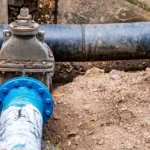
Look into the hundreds of miles of pipes that thread the New York City sewers, and one may ask: how did zinc end up in our tap water? From the pipes themselves (maybe zinc-galvanised so that they wouldn’t rust), to factory effluent from the manufacturing facilities, myriad possible sources sneak zinc into our water. Even natural zinc in rocks will elide into the water flowing down through tunnels.
NYC is a giant industrialised jungle, so it has a very old plumbing system. This black box, hidden under the giants, is the voice of zinc, casting it back into our homes and lives in secret. We need to know this process, so that it can be contained and mitigated, kept within the limits of places where human and natural health are valued.
Legal and Recommended Zinc Levels in Drinking Water
The United States Environmental Protection Agency (EPA) continues to be the body guarding water quality, setting standards for what minerals are safe in drinking water. The safe threshold for zinc is 5 mg/L (the threshold formulated to protect the public from health dangers). You can read the quality certificates for NYC’s tap water and it follows this norm, but changes happen and you have to be very careful.
Global recommendations say something similar about zinc. The World Health Organization, for instance, has its own 5 mg/L recommended limit, a sign that there is consensus around the tentative balance to be struck. It’s then no longer just the local, it’s also global – the careful monitoring of zinc levels in NYC’s tap water protects the health of its huge inhabitants.
Zinc Testing Methods
Want to find out what your water is really like at the molecular level? Zinc testing comes in many forms and can be used for monitoring water quality by users as well as experts. From colourimetric strips that display zinc by changing colour, to atomic absorption spectroscopy at industrial laboratories, the array of test options meets all different types of demands and precisions.
For the concerned NYC-er, home test kits can open the door to the zinc reality of their tap water. At the same time, annual, detailed testing by city governments uses high-tech methods to rip open the fine-grained information that informs policies and management decisions for keeping zinc levels within the safe limits, safeguarding the purity of every drop that comes down the city’s veins.
Zinc Removal Techniques
The road with zinc doesn’t stop with detection. We have a technological arsenal to handle zinc in our home water supply. Activated carbon filters, reverse osmosis pumps and ion exchange resins are just three technologies that give homeowners the power to make the change by cutting out or removing zinc from their tap water. Each technology has its own special way of doing it, but taken together they all offer options for different needs and scenarios.
In the giant worlds of NYC, a melting pot of circumstances, when you’re offering alternatives and information to residents, they have a choice. Knowing how to choose a home filtration system that is right for their household, to how their water is treated on the municipal scale, knowledge is the weapon of power and wellbeing.
Health Implications of Zinc in Drinking Water
Deeper into the physiological seas, the zinc in our tap water is destined for a trip through us, with enchanted as well as potentially devilish rest stops along the way. Proper amounts help in immune function, wound healing and metabolism. But when the scales tilt over to much? You may notice symptoms, like digestive troubles and eventually a decrease in the absorption of other important minerals.
The details of zinc’s relationship to our body systems therefore require care. The equation from getting just enough to keeping out too much, how to control the zinc in NYC’s municipal water supply is an ambivalent proposition that swings back and forth between having enough and too much.
Comparative Analysis: Zinc Levels Across Different Metropolitan Areas
New York City is not the only city that tries to figure out how to work around the molecular complexity of its tap water. An analogous look at other cities offers a kaleidoscope of possibilities, with different geologies, industrial pasts and water management regimes. Los Angeles, for instance, has its own complexities, having long been at war with heavy metals in the water; London, which was a city of factories, has its own woven pattern of water quality regulation.
These comparisons not only help to show the planetary water world but also serve as an opportunity for common learning and strategy transfer. Learning about the ways other cities address the zinc issue feeds the commons with information that fertilises seedbeds for solutions and collaboration in protecting our universal solvent – water.
Public Perception and Awareness
On busy streets in New York City, knowledge about zinc in the tap water flows slowly through the public psyche. For most people, water quality issues involve the direct threats and they neglect the invisible passengers such as zinc. All this speaks to the necessity of education and open communication in helping us see the invisible, but critical, world that runs from our faucets.
Strategies to Elevate Public Awareness:
Local workshops and webinars on water quality and control.
Publication of educational content in public spaces and online.
Integration of water quality into public health conversations and curricula through collaboration with community health workers and educators.
Establishment of open sources of public research and information on water quality issues.
It’s not just a journey of illumination that empowers communities to use and treat water properly, but also a community that’s committed to the endless process of making tap water safe, clean, and health-giving for all.
Share this on social media:
Facebook
Twitter
LinkedIn

Related Posts