Groundwater Risks: Uncovering the Hidden Dangers
- Published:
- Updated: November 15, 2024
Listen to this article
Summary
With a glass of water in hand, the dangers of groundwater risks come to light. Here’s why it matters:
- Groundwater contamination: From agricultural runoff to industrial waste, pollutants threaten its purity.
- Health hazards: Consuming contaminated groundwater can lead to illnesses like gastrointestinal issues and cancer.
- Depletion woes: Over-extraction can cause scarcity, impacting agriculture and ecosystems.

Groundwater risks are less discussed, but they are potentially very real, both for human health and the natural world. The invisible source that provides most of the planet’s fresh water is contaminated, depleted and misused. Understanding the unknown hazards of groundwater will help to develop strategies to preserve and save this life-support system.
Overview of Groundwater and Its Importance
Groundwater is water that’s in aquifers, underground structures composed of porous rocks that permit water to pass through them. They are filled by precipitation that penetrates and settles in the earth and is stored in these aquifers. Water from groundwater supplies rural populations with more than half of all their water in some parts of the world. We also have groundwater for irrigation – critical for food production – and industrial and commercial operations.
What are the Causes of Groundwater Contamination and Pollution?

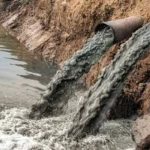
We can get groundwater dirty from agricultural run-off, industrial waste, and leaky underground storage tanks. The pollutants could be chemicals, heavy metals and bacteria that pose a very serious threat to human health. Farmers’ runoff can leach fertilisers and pesticides into the groundwater and, if swallowed, can cause health problems. Then there are industrial sludge and leaky underground tanks that can also release toxic chemicals into groundwater that pose a threat to health. There can be pollution, too, as pollutants leach out from the landfills and other landslides.
What are the Health Risks Associated with Contaminated Groundwater?
When drinking contaminated groundwater, these issues range from gastroenteritis, liver and kidney damage to cancer. Moreover, contamination of groundwater causes skin irritation and respiratory problems. Young children and pregnant women are particularly at risk from contaminated groundwater. Groundwater must also be kept out of contamination in order to be used as drinking water.
Groundwater Depletion and Its Impacts on the Environment
Groundwater depletion is on the rise in most parts of the globe. By over-extraction of groundwater, we waste water for other purposes (like irrigation or drinking water). It results in water shortage, which could be devastating for food production and human health. Moreover, groundwater scarcity can also lead to land subsidence and consequently, building and infrastructure destruction. It can also affect river and stream flows, aquatic life and animals.
Groundwater Protection Policies and Regulations
State and other institutions created various policies and regulations to safeguard groundwater. Among these are restrictions on the use of pesticides and other chemicals, as well as limits on how much groundwater can be taken. There are also programmes to monitor and evaluate the quality of groundwater resources, and to detect and disinfect polluted sites. These policies and laws must be strictly enacted so that the groundwater is not tapped out.
Best Practices for Managing Groundwater Resources
You need a comprehensive knowledge of your groundwater system and the effects on its quantity and quality. Here are some best practices for groundwater management:
Do a complete groundwater analysis: mapping the area and distribution of groundwater, calculate recharge rate and determine sources of contamination.
Create a groundwater management plan: The plan should include the management objectives and goals, the management tactics to achieve them, and the monitoring and evaluation criteria for the management plan.
Get water conservation in place: Such as reducing waste of water and promoting water use efficiency in farming, industry and homes.
Test the groundwater quality: Keep monitoring groundwater quality regularly to make sure it is safe to drink and use. That means checking for pollutants, as well as making sure that groundwater is not being pumped too much.
Eliminate groundwater pollution: There are many types of groundwater pollutants, including agricultural run-off, industrial effluent and septic tanks. Pollution needs to be regulated and prevented so that groundwater remains healthy.
Encourage recharge and the maintenance of recharge zones: Recharge zones are fundamental to long-term groundwater quality. These need to be protected and recharge facilitated via rainwater harvesting and recharge pits.
Sensitize and involve the public: Effective groundwater management involves and benefits the public. We should also try to educate the public on groundwater and what can be done to save it.
Regular update and check of management plan: As more information is gained, management plan should be reviewed and updated to keep it up to date and effective.
These best practices can be used to make groundwater resources sustainable and responsible management so they are not lost to the current generation.
Innovative Technologies for Monitoring and Managing Groundwater Risks
There are several innovative technologies that can be used for monitoring and managing groundwater risks. Some of these include:
- Groundwater monitoring systems: These systems use a variety of sensors and monitoring devices to collect data on groundwater levels, quality, and flow. This information can be used to detect changes in groundwater conditions and to identify potential risks.
- Remote sensing and GIS: Remote sensing technologies, such as satellite imagery, can be used to gather information on land use and land cover, while GIS can be used to map and analyse this information. This information can be used to identify areas where groundwater is being over-extracted, or where there is a risk of contamination.
- Modeling and simulation: Groundwater models and simulations can be used to predict the impact of changes in land use, water use, and other factors on groundwater resources. These models can be used to identify areas where groundwater is at risk and to evaluate different management strategies.
- Early warning systems: Early warning systems can be used to detect changes in groundwater conditions that could indicate a potential risk. These systems can be triggered by changes in groundwater levels, water quality, or other indicators and can alert decision-makers to take appropriate action.
- Drones and unmanned aerial vehicles (UAVs): Drones and UAVs can be used to collect data on groundwater resources, including information on groundwater levels and water quality. This information can be used to detect changes in groundwater conditions and to identify potential risks.
- Smart irrigation systems: Smart irrigation systems use sensors and other technologies to monitor soil moisture and weather conditions, and to adjust watering schedules accordingly. This can help to reduce water waste and to ensure that groundwater resources are being used efficiently.
These innovative technologies can help to enhance our understanding of groundwater resources and to identify and manage groundwater risks. By using these technologies, we can ensure the sustainable and responsible management of groundwater resources.
Public Awareness and Education on Groundwater Risks and How to Mitigate Them
Public knowledge about risks related to groundwater and how to lower those risks is needed. This includes educating the public about the value of groundwater, how it becomes polluted and depleted, and what happens when contaminated groundwater enters the environment. Furthermore, people need to be taught best practices for groundwater management and emerging technologies for monitoring and regulating groundwater risks. We can do this through education and increased public awareness so that our groundwater will be sustainable and conserved for future generations.
Share this on social media:
Facebook
Twitter
LinkedIn

Related Posts