Environmentally Friendly Water Purification: The Green Side of Granular Media Filtration
- Published:
- Updated: December 16, 2024
Listen to this article
Summary
Embracing eco-conscious water purification methods is crucial for sustainable water management. Granular media filtration offers a green solution, utilizing natural materials like sand and activated carbon. Key points:
- Granular media filtration removes impurities without chemicals, reducing environmental impact.
- Types of media include sand, anthracite, and activated carbon, each effective for different contaminants.
- Successful implementations worldwide demonstrate its versatility and effectiveness in achieving clean water sustainably.
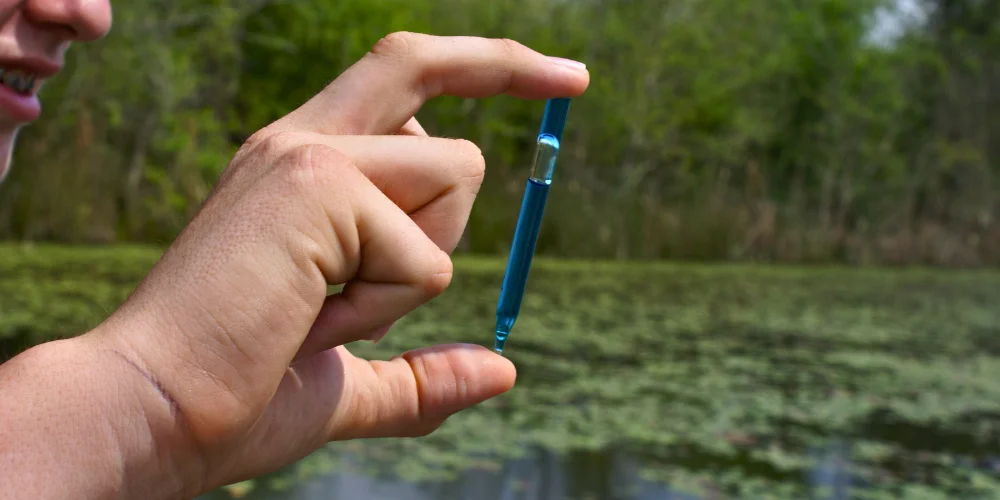
We must start to embrace environmentally friendly water purification systems if we are to become sustainable water users. Granular media filtration with all its benefits is the green face of water treatment. Natural components such as sand, gravel, and activated carbon make granular media filtration an eco-friendly solution to filter impurities and contaminants from water, reducing chemicals and energy use, and enabling resource conservation all while providing pure, safe water for all uses.
Understanding Granular Media Filtration
Granular media filtration is a physical separation of suspended solids from water. It works by using a bed of powdered material – like sand, anthracite or activated carbon – through which water flows. The media collects and de-contaminates the water so it’s safer and healthier water.
It’s a simple idea, but the science is interesting and complicated. Granular media filtration effectiveness is a combination of size and media type, flow rate, and suspended solids. These parameters can be known in order to fine tune the process to treat the water.
The Environmental Impact of Traditional Water Purification Methods

Conventional water purification systems (chemical, reverse osmosis) can be detrimental to the environment. For instance, chemical treatments can sometimes be done using hazardous materials, making them difficult to dispose and handle. In the same way, reverse osmosis is expensive and generates a lot of brine waste.
Such environmental considerations have resulted in increasing attention to other, more environmentally sustainable water purification systems. This is the role of granular media filtration, which is green and a high efficiency water treatment process.
Why granular media filtration is considered a greener choice for water treatment?
Granular media filtration has many environmental benefits over standard water treatment systems. For one, it is a physical process without chemicals, minimising chemical intrusion in water treatment. Also, it usually uses less energy than processes such as reverse osmosis and therefore produces fewer greenhouse gases.
The environmental advantage of granular media filtration is another one: media can be recycled. The filtration media can usually be scrubbed and repeated many times so no new material production and the associated environmental impacts is required.
What are the different types of granular media commonly used in filtration processes?
There are various types of granular media used in filtration, each with unique properties that make them effective for different applications. These include:
- Sand: Often used for larger, more visible particles.
- Anthracite: Known for its high carbon content and used for finer particles.
- Activated carbon: Exceptionally good at removing organic compounds and improving taste and odor.
These media types can be used alone or in combination, depending on the specific water purification needs. The choice of media can also influence the environmental footprint of the filtration process.
Improving Water Quality with Granular Media Filtration
Granular media filtration can purify any kind of debris from water, from sediment, algae, bacteria and viruses. It leads to cleaner water that is both health and ecologically healthy.
Reduce the concentration of these contaminants, and granular media filtration can save aquatic ecosystems from the effects of dirty water. The less the water is treated downstream, the less chemicals and energy that will be needed down the water chain.
Case Studies: Successful Implementation of Granular Media Filtration
Granular media filtration is being implemented with efficacy all over the world, from rural villages to urban water treatment facilities. For example, in parts of Africa, little more than sand filters are being deployed to treat household water with pure water.
Larger scale, many municipal water purification plants use granular media filters and have been producing superb water filtration with lower environmental footprints. These stories of success are also good proof of concept for a mass use of this green technology.
The diversity of application examples reflects the adaptability of granular media filtration too. Whether that’s a micro-scale, distributed network or a larger municipal facility, this approach can successfully filter water while also being as environmentally friendly as possible.
Challenges and Solutions in Granular Media Filtration
Granular media filtration is not an easy process to use for all its advantages. Some of these include:
Making sure filtration efficiency, and that requires fine-tuning parameters such as water flow rate and media size.
Management of residual filter media which can build up dirt and need special disposal or processing.
But these hurdles are not impossible. Because research and technology is always improving solutions are being conceived. Control systems can for example optimize filtration efficiency and novel approaches are being developed for how spent media should be treated and disposed of safely.
The Future of Water Purification: Innovative Developments in Granular Media Filtration
In the future, it’s always great to see what granular media filtration can do to get even more efficient and sustainable. For instance, new filtration media such as biochar are being researched to improve contaminant removal, and that are renewable.
Granular media filtration can also be used with other green technologies, such as solar-powered water treatment plants, to offer complete, sustainable solutions for clean water.
Water purification’s future is in the hands of innovation and sustainability. If we can continue to perfect and scale technologies such as granular media filtration, then in time we will have safe, clean water generated in accordance with nature.
Share this on social media:
Facebook
Twitter
LinkedIn

Related Posts