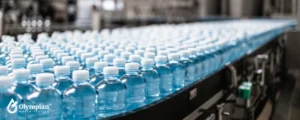
The Toxic Combo: Health and Environmental Hazards of Plastic Bottles
- Published:
- Updated: December 16, 2024
Listen to this article
Summary
Plastic bottles pose dual threats to both human health and the environment:
Production Impact: The production of plastic bottles emits greenhouse gases and harmful chemicals, leading to respiratory problems and other health issues.
Environmental Hazard: Non-biodegradable plastic bottles pollute oceans, harming marine life and contaminating water.
Chemical hazards in plastic bottles, such as BPA and phthalates, can cause infertility, cancer, and developmental problems. Microplastics, another concern, have adverse health effects and harm marine ecosystems.

You have plastic bottles at home and all the ease it provides is a price. They aren’t just environmental hazards; they can also be harmful to our health. The manufacturing and disposal of plastic bottles releases toxins into the air, and plastic itself can leach toxins into the drinks we drink. Let’s get to the heart of this poisonous cocktail of health and environmental damage in plastic bottles.
Plastic Bottle Production
The manufacturing of plastic bottles is also a big use of energy and release of greenhouse gases into the air. It needs fossil fuels to be made — they burn to generate the energy that is required to heat and cure the plastic. This causes the production of greenhouse gases, like carbon dioxide, that cause climate change. But the plastic bottles make other noxious chemicals in the air too: volatile organic compounds (VOCs) and particulates. They can inhale the air and cause aches and pains as well as a range of diseases in people who live close to plastic-bottle factories.
Plastic Bottle Waste

The single biggest environmental risk of plastic bottles is that they’re not biodegradable. Plastic bottles, unlike other materials, don’t break down and thus won’t get rid of itself. And this is especially worrying with plastic bottles that end up in the sea. The sea also houses an abundance of other animals, such as sea turtles, whales and birds, and plastic bottle residues are very bad for them. The plastic bottle trash will ensnare sea life and kill or injure them, or they can be swallowed, clogging the gut. Also, plastic bottles emit chemicals into the ocean that poison the water and kill fish.
What are the Chemical Hazards of Plastic Bottles?
Bottles of plastic are made from chemicals that are highly toxicity-laden for humans. Among the most famous of these toxic chemicals in plastic bottles is bisphenol A (BPA). BPA is a hormone-disruptor that acts like oestrogen in your body. It has been associated with several diseases, such as infertility, cancer and child developmental delays. The other nasty chemical in plastic bottles are phthalates, used to make plastic more malleable. Phthalates, too, are hormone destabilisers that have been associated with fertility problems and developmental delay in children. Also, antimony, a heavy metal, makes some plastic bottles. Humans are mutagenic by the metal and have been found to have some health issues such as cardiovascular disease and cancer.
Microplastics in Plastic Bottles
Also, plastic bottles can leak microplastics, particles of plastic that are no bigger than 5mm. Microplastics can travel into the body through food and water contamination, and they have been linked to a wide variety of illnesses, from fertility problems to developmental problems in children. And we have also found microplastics in the sea that are said to be affecting the marine animals.
Alternatives to Plastic Bottles
Plastic bottles are not the only sustainable alternatives: Here are some alternatives.
Glass Bottles: Glass is natural and can be reused for multiple times. It’s also toxic free and food-safe for food and beverages.
Stainless Steel Bottles: Strong, Reusable, And Does Not Contain Chemicals In Them. And they are also super clean, which means you can keep your drink hot or cold for hours.
Aluminum Bottles: Just like stainless steel, aluminum bottles are strong, reusable, and don’t transfer chemicals to the product. They’re also very light and portable.
Paper Bottles: They are paper based and 100% Compostable. They are a new way of single use and is starting to get popular for juice and water.
Reusable Silicone Bottles: Silicone is a non-toxic, strong and flexible material which is also being utilized as a reusable bottle substitute. They’re small, inert and collapsed for storage when full.
These are a few of the plastic bottles that you can buy. Select one of these, and you can eliminate plastics and be part of a greener future.
Government Regulations on Plastic Bottles
It can be done, and by governments, in ways that minimise the use of plastic bottles and their harms. The US Government has even introduced restrictions on plastic bottle use like plastic bag bans and deposit points for plastic bottles. All of these have been proven to significantly cut down on plastic bottle waste that goes to the landfill. Governments can also run plastic bottle recycling programmes so that plastic bottles are properly disposed of and do not end up in the ocean.
Share this on social media:
Facebook
Twitter
LinkedIn

Related Posts