Ensuring Safe Water in Isolated Regions through Regular Water Quality Monitoring
- Published:
- Updated: December 16, 2024
Listen to this article
Summary
Regular water quality monitoring is crucial in isolated regions to ensure safe drinking water, vital for human survival. Monitoring helps identify contaminants, ensuring proactive measures are taken to maintain water safety.
- Isolated regions face challenges due to limited infrastructure and resources
- Regular monitoring detects contaminants and ensures effective treatment
- Governments and NGOs play a key role in providing funding and resources for water treatment and distribution systems.

Affording clean water in remote areas is important, because humans cannot survive without clean water. Continuous water quality surveillance detects contaminants in the water supply and makes sure that water in remote areas is suitable for use. By testing on a regular basis, locals in rural areas can take active steps to keep water safe and away from water-borne diseases.
What are Isolated Regions and Why is Safe Drinking Water a Challenge?
Isolated regions are areas that are remote and hard to reach and perhaps don’t have the infrastructure and resources to provide clean drinking water. This might be rural locales, tiny settlements, distant islands, etc. Water quality is also iffy in these regions and safe and clean drinking water is scarce.
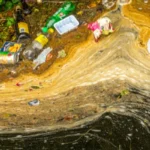
The waters of remote places can be degraded by multiple drivers – alterations in land use, expansion, and environmental changes. That can lead to water bodies becoming tainted by chemicals, bacteria and other contaminants that are toxic to people and they could be dangerous to them.
The Importance of Regular Water Quality Monitoring in Isolated Regions

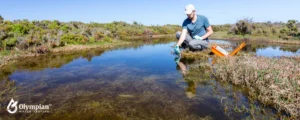
Water quality should be checked regularly, especially in rural areas where the water is scarce and cannot be used for human consumption. This allows to detect any water quality problems (e.g., contamination, presence of harmful substances) and correct them.
Monitoring water quality at regular intervals can also make sure water treatment plants are operating properly and water is being treated before drinking. This is particularly true in rural areas where water treatment plants are scarce and the water treatment technology is less developed than it is in more populated places.
Furthermore, regular water quality monitoring can increase trust and confidence in the supply, as people know that their water is safe and clean for consumption. The same can make them also use water to drink and cook with less need for other types of water like bottled water.
Key Factors that Contribute to Safe and Clean Drinking Water in Isolated Regions
There are several key factors that contribute to safe and clean drinking water in isolated regions, including:
- Water treatment: Water treatment is an important factor in ensuring that water is safe and clean in isolated regions. This may include the use of filters, chemicals, and other methods to remove impurities and contaminants from water.
- Water source protection: Protecting water sources, such as lakes, rivers, and aquifers, is crucial for ensuring that water is safe and clean in isolated regions. This can be achieved through a variety of measures, such as limiting the use of harmful chemicals near water sources and monitoring water quality.
- Water distribution systems: Effective water distribution systems are essential for ensuring that water reaches individuals in a safe and clean state in isolated regions. This includes ensuring that water is properly treated and stored, as well as maintaining the infrastructure that delivers water to individuals.
In isolated regions, it is important to have access to the resources and technology needed to treat water effectively and ensure that it is safe for human consumption. This may include access to water treatment facilities, water testing equipment, and trained personnel who can operate and maintain these facilities.
The Role of Governments and Non-Governmental Organizations in Ensuring Safe Water in Isolated Regions
NGOs and governments provide water access for clean drinking water in rural areas by providing funding and resources for water treatment and distribution infrastructure. They can also offer education and outreach services for people on how they can take responsibility for water quality and safeguard their water supplies.
Governments and NGOs can also do their bit to preserve water resources and check water quality to ensure water is safe and clean for human use. These might include policies and regulations to restrict the application of noxious chemicals in waterways, routine testing of water quality, and education of communities on water safety and treatment.
Furthermore, governments and non-governmental organizations can try to increase access to water treatment plants and equipment in remote areas. This can mean building water treatment plants or upgrading those currently on the site, and providing access to water testing machines and trained workers to run and maintain these plants.
The Benefits of Safe Drinking Water in Isolated Regions
Pure drinking water has many benefits for residents and groups living in remote areas. The greatest of these is that it makes you healthier and more satisfied. The better the access to safe and clean drinking water, the less prone people are to waterborne diseases and sicknesses like cholera, typhoid, dysentery. This can free up healthcare resources and increase the quality of health services in remote areas.
A second outcome of clean water is economic prosperity. If people can drink water clean and safe, they will be more able to engage in the economy (for example, to grow food and fish). This will stimulate the local economy and give people the means and opportunities to live better lives.
The Challenges of Ensuring Safe Drinking Water in Isolated Regions
But as much as regular water quality monitoring and other efforts can lead to healthy, pure water in remote areas, there are also a number of problems to be solved. It is the lack of access to water treatment plant and equipment that is the biggest problem. For remote places, these may be difficult to find, so water can’t easily be filtered out and made human-safe.
There’s also the problem of lack of money and time. For remote areas, government agencies and NGO’s might lack the resources and money to construct and sustain water treatment plants, irrigate waterways, and inspect water bodies. This makes it difficult to guarantee safe and clean water in remote areas.
Share this on social media:
Facebook
Twitter
LinkedIn

Related Posts