Lead in drinking water FAQ for school and childcare facilities
- Published:
- Updated: February 17, 2025
Listen to this article
Summary
Lead in drinking water presents a serious health risk, especially to children in schools and childcare facilities. Lead can enter drinking water through corroded plumbing systems, particularly in older buildings. Testing for lead, implementing filtration systems, replacing lead-based plumbing, and flushing systems regularly are critical measures for ensuring safe drinking water.
- Lead exposure in children can cause cognitive and developmental issues.
- Facilities should use certified testing kits and regularly test drinking water at key consumption points.
- Mitigation strategies include installing water filters, replacing lead-based plumbing, and flushing systems to remove stagnant water.

Ensuring the safety and quality of drinking water within school and childcare facilities is of paramount importance. The presence of lead in drinking water can pose significant health risks, particularly to young children who are more susceptible to the harmful effects of lead exposure. This comprehensive FAQ aims to address the most pressing questions surrounding lead in drinking water, offering insights into water testing, filtration systems, and remediation measures. By providing detailed and reliable information, we hope to assist school administrators, facility managers, and concerned parents in understanding and mitigating the risks associated with lead in drinking water.
What Is Lead and Why Is It a Concern in Drinking Water?
Lead is a naturally occurring toxic metal that can be found in various environmental media, including water. It is particularly concerning in drinking water due to its potential to cause severe health issues. Lead exposure, even at low levels, can result in cognitive impairment, developmental delays, and behavioral problems in children. It is crucial to understand that lead does not naturally occur in water but can leach into it through old plumbing systems, solder, and fixtures that contain lead.
Sources of Lead in School and Childcare Facility Water Systems
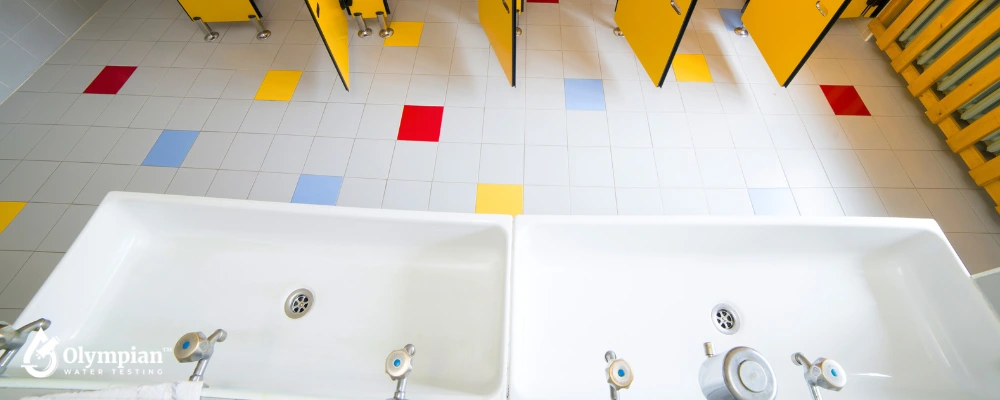
Lead typically enters the drinking water supply through corrosion of plumbing materials. Schools and childcare facilities built before the 1980s are more likely to have lead-containing plumbing systems. Factors contributing to lead leaching include the age of the plumbing, water acidity, and temperature. Identifying and addressing these sources is essential for ensuring safe drinking water.
How Can Schools and Childcare Facilities Test for Lead in Drinking Water?
Understanding Water Testing Kits
Water testing kits are essential tools for detecting lead presence in drinking water. These kits are designed to provide accurate and timely results, enabling facilities to take corrective actions if necessary. It is advisable to use certified water testing kits that comply with Environmental Protection Agency (EPA) standards for lead detection.
Steps for Conducting Lead Testing
- Identify Sampling Points: Select locations within the facility where water is consumed, such as drinking fountains, kitchen faucets, and classroom sinks.
- Collect Samples: Follow the instructions provided with the water testing kit to collect samples. Ensure samples are taken after a period of stagnation (typically 6-8 hours) to obtain accurate results.
- Send Samples to a Certified Laboratory: For precise analysis, send the collected samples to a certified laboratory specializing in water quality analysis.
- Interpret Results: Review the laboratory results to determine lead concentrations. The EPA’s action level for lead in drinking water is 15 parts per billion (ppb). If lead concentrations exceed this level, corrective measures are necessary.
What Are the Options for Mitigating Lead in Drinking Water?
Implementing Water Filtration Systems
Water filtration systems can effectively reduce lead levels in drinking water. Facilities should consider installing point-of-use filters certified to remove lead. These systems can be installed at key consumption points, such as drinking fountains and kitchen sinks. It is vital to maintain and replace filters according to manufacturer recommendations to ensure continued efficacy.
Replacing Lead-Based Plumbing Components
Replacing lead-containing plumbing components is a long-term solution to prevent lead contamination. This may involve replacing lead pipes, solder, and fixtures with lead-free alternatives. Although this can be a costly endeavor, it significantly reduces the risk of lead exposure and ensures the safety of the water supply.
Flushing and Routine Maintenance
Regular flushing of water systems can help minimize lead levels. This process involves running water through the plumbing system to remove stagnant water that may have accumulated lead. Routine maintenance, including inspecting and cleaning aerators and screens, is also essential for preventing lead buildup.
How Can Facilities Communicate Lead Testing Results to Stakeholders?
Effective communication is critical for maintaining trust and transparency with stakeholders, including parents, staff, and regulatory authorities. Facilities should develop a communication plan that includes:
- Timely Notification: Inform stakeholders promptly about lead testing results and any detected lead levels.
- Clear and Concise Information: Provide straightforward explanations of test results, potential health risks, and planned remediation actions.
- Availability of Resources: Offer resources and guidance to stakeholders on lead exposure and safety measures.
What Are the Regulatory Requirements for Lead Testing in Schools and Childcare Facilities?
Federal and state regulations mandate regular lead testing in schools and childcare facilities to ensure water safety. The EPA’s Lead and Copper Rule sets the framework for monitoring lead levels in drinking water. Compliance with these regulations is essential for safeguarding public health and avoiding potential legal liabilities.
Steps for Ensuring Regulatory Compliance
- Understand Applicable Regulations: Familiarize yourself with federal and state-specific regulations regarding lead testing and remediation in drinking water.
- Develop a Testing Schedule: Establish a routine testing schedule in accordance with regulatory requirements and facility needs.
- Document and Report Results: Keep detailed records of all testing activities, results, and corrective actions. Report findings to relevant authorities as required.
Conclusion
Lead in drinking water poses a significant risk to the health and well-being of children in school and childcare settings. By understanding the sources of lead contamination, implementing effective testing and remediation strategies, and complying with regulatory requirements, facilities can ensure the safety of their water supply. It is our hope that this FAQ serves as a valuable resource for those responsible for maintaining water quality standards and protecting the health of our children. Additionally, it is crucial for caregivers and educators to be aware of the best water options for baby formula to ensure that infants are not exposed to harmful contaminants. Regular communication with local health departments can provide valuable insights into water safety and necessary precautions. By prioritizing water quality and making informed choices, we can create a safer environment for our children to thrive in.
For further assistance or to discuss specific concerns, please consult with a qualified environmental consulting firm specializing in water quality analysis.
Share this on social media:
Facebook
Twitter
LinkedIn

Related Posts