10 Compelling Reasons to Regularly Check the Quality of Your Water
- Published:
- Updated: January 6, 2025
Listen to this article
Summary
Here are 10 compelling reasons to regularly check the quality of your water:
Safeguard Your Health: Contaminated water can cause gastrointestinal illnesses, neurological disorders, reproductive problems, cancer, and immune system suppression.
Protect Your Household Appliances: Poor water quality can damage appliances like water heaters, washing machines, and dishwashers, leading to costly repairs or replacements.
Ensure Safe Drinking Water: Access to clean and safe drinking water is crucial for your health and well-being, and regular water testing helps ensure that your water is safe to drink.

We need to check the water regularly for healthy water. All the way from your health to your home appliances, there are plenty of reasons you should check the water quality regularly. Water from a public water source or a private well will add chemicals to your water and alter the quality. – Don’t ignore checking your water regularly because there are dire health effects, losses and environmental harm associated with not checking your water.
The Importance of Safe Drinking Water
Water – which is clean and safe to drink – is a human right that still remains unexamined for millions of people on Earth. You can be seriously ill, and sometimes die, if you drink contaminated water. This is why you should always check the water regularly to see that it is good to drink.
Water can get polluted from everything from natural disasters to sewage spills and farm irrigation water. A few contaminants like heavy metals and chemicals also leak into the water from old pipes and other sources. This is why you should make sure that your water is regularly checked for contaminants.
What are the health risks associated with poor water quality?

Poor water quality can pose a range of health risks, including:
- Gastrointestinal Illnesses: Contaminated water can cause a range of gastrointestinal illnesses, such as diarrhea, dysentery, and cholera. These illnesses are caused by bacterial, viral, and parasitic pathogens, which can be found in water contaminated with fecal matter.
- Neurological Disorders: Exposure to certain chemical contaminants, such as lead and mercury, can cause neurological disorders, including developmental delays and learning disabilities in children, and tremors, memory loss, and other cognitive problems in adults.
- Reproductive Problems: Exposure to certain chemical contaminants, such as lead and cadmium, can also cause reproductive problems, including infertility, miscarriage, and birth defects.
- Cancer: Exposure to certain chemical contaminants, such as certain pesticides and industrial pollutants, has been linked to an increased risk of certain types of cancer, including lung, liver, and kidney cancer.
- Cardiovascular and Respiratory Problems: Exposure to certain chemical contaminants, such as nitrates, can cause cardiovascular and respiratory problems, including methemoglobinemia (blue baby syndrome) and chronic bronchitis.
- Immune System Suppression: Exposure to certain chemical contaminants, such as trihalomethanes (THMs), can suppress the immune system and increase the risk of infections and other health problems.
The Science of Water Quality Testing
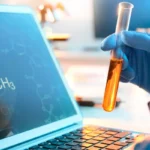
There are many different methods used to test water quality, and it is important to use accurate and reliable testing methods to ensure that the results are accurate. Some common methods of water testing New York include chemical tests, biological tests, and physical tests. Chemical water tests measure the presence of specific contaminants, such as lead, chemicals, and heavy metals, while biological tests look for the presence of harmful microorganisms, such as bacteria and viruses. Physical tests, on the other hand, measure the physical characteristics of the water, such as its color, odor, and clarity.
It is important to use a combination of these different testing methods to get a complete picture of the quality of your water. For example, a chemical test may show that your water is free from harmful contaminants, but a biological test may reveal the presence of harmful bacteria. By using a combination of tests, you can get a more accurate picture of the quality of your water and make sure that it is safe to drink.
What are the different types of contaminants found in water?
Water can become contaminated with a range of pollutants, including:
- Bacteria: Bacterial contaminants, such as Escherichia coli (E. coli), Salmonella, and Shigella, can pose a threat to public health. These contaminants can cause a range of illnesses, including gastrointestinal infections, and can be found in water sources that are contaminated with fecal matter.
- Viruses: Viral contaminants, such as norovirus, hepatitis A, and rotavirus, can also pose a threat to public health. These contaminants can cause waterborne diseases and can be found in water sources that are contaminated with fecal matter.
- Chemicals: Chemical contaminants, such as pesticides, herbicides, and industrial pollutants, can pose a threat to public health and the environment. These contaminants can enter water sources through runoff from agricultural fields, industrial discharges, and other sources.
- Heavy Metals: Heavy metals, such as lead, mercury, and cadmium, can also be found in water. These contaminants can enter water sources through industrial discharges, runoff from mines, and other sources. Heavy metals can pose a threat to public health, as they can cause a range of health problems, including neurological damage, kidney damage, and reproductive problems.
- Microplastics: Microplastics, which are small plastic particles less than 5mm in size, are also becoming a growing concern in water quality. Microplastics can enter water sources through the breakdown of larger plastic items, as well as through wastewater discharges. Microplastics can pose a threat to aquatic life and potentially to human health.
The Role of Government and Private Organizations in Ensuring Safe Water
Government agencies and private organizations play a critical role in ensuring that water is safe to drink. These organizations are responsible for monitoring water quality and taking steps to ensure that it is safe for human consumption. For example, government agencies may implement regulations to limit the amount of certain contaminants in water and enforce penalties for those who violate these regulations. In addition, private organizations may conduct independent water quality testing to ensure that the water is safe for consumption.
One example of a government agency that plays a crucial role in ensuring safe water is the Environmental Protection Agency (EPA). The EPA sets standards for drinking water quality and enforces these standards through regular monitoring and enforcement actions. In addition, the EPA also provides information to the public about the quality of their drinking water and the steps they can take to ensure that it is safe.
Private organizations, such as water testing companies and environmental advocacy groups, also play an important role in ensuring safe water. These organizations may conduct independent water quality tests and advocate for stricter regulations and enforcement to protect the public’s health.
The Benefits of Regular Water Quality Testing
Regular water quality testing provides a number of benefits, including peace of mind, improved health, and reduced risk of water-borne diseases. By regularly testing your water, you can ensure that it is free from harmful contaminants and that it is safe to drink. This can provide peace of mind and help you feel confident in the safety of your water supply.
In addition, regular water quality testing can also help improve your health. By identifying and removing harmful contaminants from your water, you can reduce your risk of water-borne illnesses and other health problems. This can lead to improved overall health and well-being.
How to Test Your Water at Home
Testing your water at home is a simple and affordable way to ensure that it is safe to drink. There are a variety of home water testing kits available, and many of these kits are easy to use and provide accurate results. Some common methods of home water testing include using test strips, drops, and electronic testers.
To test your water at home, simply follow the instructions provided with your testing kit. Most home water testing kits will require you to collect a sample of your water and then test it using the provided materials. The results of the test will indicate whether your water is free from harmful contaminants and safe to drink.
The Future of Water Quality
Future of Water Quality: new technologies and innovations can help to enhance water quality and make it safe to drink. For instance, new filtration systems and water treatment technologies are being introduced to filter contaminants out of water, and new monitoring systems are being introduced to give real-time information about water quality.
As well, the application of renewable power sources such as solar and wind energy is also rising and therefore decreasing the environmental impact of water treatment and distribution. The future of water quality is bright with more innovation and investment and, in the years to come, even safer and more accessible water.
Share this on social media:
Facebook
Twitter
LinkedIn

Related Posts