Detecting Ethylbenzene in Drinking Water: Testing Methods and Technologies
- Published:
- Updated: December 16, 2024
Listen to this article
Summary
Ethylbenzene, a volatile organic compound used in industrial applications, can contaminate drinking water through leaks, spills, and industrial waste. Exposure to ethylbenzene poses health risks, including gastrointestinal issues and kidney damage. Detecting ethylbenzene in water involves sampling and analytical methods like Gas Chromatography-Mass Spectrometry (GC-MS).
- Ethylbenzene contamination sources include industrial wastewater, spills, and leaking storage tanks.
- Health risks include gastrointestinal distress, kidney damage, and potential cancer risks.
- Detection technologies include GC-MS, liquid-liquid extraction, and emerging sensor systems.

Water, the most important resource in the world, should be the very best. We can also be affected by all manner of tainting with our water supply, though. In the case of many of these contaminants, it is ethylbenzene – a volatile organic compound that has multiple industrial uses – that’s of particular concern.
Ethylbenzene: An Overview
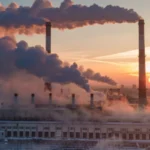
Ethylbenzene is an organic chemical, found mostly in coal tar and petroleum. It’s an abundant ingredient in styrene, a precursor of polystyrene – the material in so many consumer goods. Since ethylbenzene is used so widely, it often seeps into the environment through industrial effluent, and is a potential health risk in drinking water.
Alongside industrial sources, ethylbenzene also exists naturally in nature, in lower levels. The additive is present in crude oil and gasoline, so a leak and spill from a storage tank or a pipeline can spill it into groundwater. Usually, these concentrations are very small but they can still be harmful, so testing and monitoring are key.
Health Implications of Ethylbenzene

There are several health effects of ethylbenzene. It can irritate the guts, damage kidneys and even predispose to certain cancers when taken as drinking water. What’s more, ethylbenzene is a volatile organic compound (VOC), so it evaporates readily at room temperature. In turn, it will be released into the atmosphere from water sources, where inhalation is possible.
How severe these health impacts are is subject to a number of considerations such as the amount of ethylbenzene used, the duration of exposure, and the condition of the affected individual. This is why drinking water supplies must be kept under the safe level for ethylbenzene contamination.
Standard Limit for Ethylbenzene in Drinking Water
Global regulators have established drinking-water levels for ethylbenzene that ensure public health. These standards are scientific in nature, corresponding to the level of ethylbenzene safe for human long-term use. Those thresholds can differ by country and region, according to different exposure histories, sources of water and risk-based measures of health.
Keep in mind that ethylbenzene does not by itself make drinking water unsafe. It starts to become an issue if concentrations go beyond the limits required by the law and hence must be regularly tested. Identifying and eliminating high levels of ethylbenzene, as soon as they’re detected, can prevent contaminants from reaching our drinking water.
Common Sources of Ethylbenzene Contamination in Water
There are various ways that ethylbenzene may get into drinking water. Here are some of the most typical:
Ethanol benzene waste from industry: Ethylbenzene can be released to the environment by ethylbenzene-using industries in their wastewater.
Transportation spills: When the transportation process leaked or spilled, ethylbenzene will get into water bodies.
Storage tank leaks: Underground storage tanks that hold fuels such as gasoline may leak, ethylbenzene leaching into the soil and perhaps into the groundwater.
It is important to know which sources to use to devise a method for monitoring and eradicating ethylbenzene pollution.
Sampling Strategies for Ethylbenzene
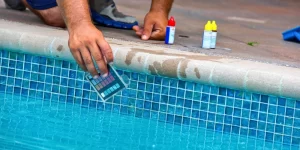
A water sample is the first thing you do to check for ethylbenzene in water. The method must make sure that the sample corresponds to the water source, and it will not get contaminated in the collection, storage and transportation process. This is important as integrity of the sample affects the integrity of the test result directly.
As per the water source and the alleged ethylbenzene concentration, sampling methods may vary. If, for example, the ethylbenzene is thought to be from an industrial source, it could be taken upstream and downstream of the point of discharge to measure levels. Also, samples must be obtained at different times in order to accommodate for any fluctuations in ethylbenzene.
What are the analytical methods used for detecting ethylbenzene?
When samples are taken, they have to be measured for ethylbenzene. Different kinds of analysis are possible for this. Most popular is Gas Chromatography-Mass Spectrometry (GC-MS). It works by steaming up the water sample and putting it through a column, which breaks apart the components. This is then the ethylbenzene that is detected and measured by a mass spectrometer.
GC-MS is an efficient and repeatable method, but it needs specific instruments and personnel, which are not necessarily accessible in every laboratory. It is possible to use other methods as well such as liquid-liquid extraction with GC analysis which, sometimes, is a less expensive alternative.
Emerging Technologies for Ethylbenzene Detection
The need to test drinking water for contaminants such as ethylbenzene has been so obvious that there’s been a real drive to create better and better methods of detection. They range from handheld instruments for fieldwork, to sensors that constantly monitor, and from lab-on-a-chips that rapidly analyse a series of samples.
For example, scientists have been creating sensors to monitor water sources for ethylbenzene and other VOCs 24/7. These, involving sensors made of nanomaterials or biosensors, would be able to offer continuous water quality data, so that incidents of contamination can be dealt with in real time.
Mitigation and Treatment of Ethylbenzene Contaminated Water
When you notice ethylbenzene in your drinking water, there are things you can do to prevent the pollution and maintain public health. The exact action can vary depending on source and extent of contamination but could include things such as finding and fixing the source of contamination, treating contaminated water, and providing alternative sources of water if necessary.
For ethylbenzene-contaminated water, filtration technologies such as activated carbon, air stripping and oxidation technology can be used. The treatment would depend on several parameters: ethylbenzene concentration, source of water and presence of other contaminants.
Safe water for our health is our responsibility and the detection of chemicals such as ethylbenzene is an important part of this. We can use both the technology we have and the techniques that we already have to make sure our water stays clean and safe for our health, while also keeping our most precious resource viable.
Conclusion
This ethanol contamination in water calls for regular surveillance and detection to avoid health problems. Because ethylbenzene is an industrial chemical, it enters water through many sources including industrial solid waste, spills, and tank-leaks. Health risks vary with exposure levels and time, but keeping ethylbenzene in acceptable ranges is of public health importance.
Diagnostic technologies such as Gas Chromatography-Mass Spectrometry (GC-MS) are currently good at finding ethylbenzene, but the next step is the implementation of real-time sensors and mobile devices that could lead to more efficient monitoring of water quality. Whenever contamination is observed, water treatment processes like activated carbon filter and air stripping remove ethylbenzene. Drinking water from ethylbenzene needs the combined effort of industry, regulatory agencies and communities to make sure it is safe for humans and their drinking water.
Share this on social media:
Facebook
Twitter
LinkedIn