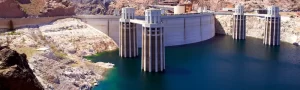
Current Status of Brownwood Lake Water Levels
- Published:
- Updated: January 9, 2025
Listen to this article
Summary
The current water levels at Brownwood Lake, Texas, are slightly below the historical average, reflecting a moderate deficit. This is mainly due to below-average precipitation in recent months, though it does not pose an immediate threat to the lake’s functions. Continuous monitoring is necessary to mitigate potential impacts on water quality and the ecosystem.
- Current water level: 1,421 feet above sea level, slightly below the full pool elevation of 1,425 feet.
- Impact on water quality: Lower levels may increase pollutant concentrations, affecting aquatic life and water clarity.
- Recommendations: Enhance water conservation efforts, monitor key water quality indicators, and implement sustainable water management practices.

Navigating the complexities of water level fluctuations and their implications on environmental quality is paramount for stakeholders and environmental enthusiasts alike. As of recent observations, the water levels at Brownwood Lake have been a focal point for both local authorities and environmental scientists. Here, we explore the current status of these water levels and their broader environmental implications.
Understanding Lake Brownwood's Hydrology
Brownwood Lake, a significant reservoir in Texas, serves as a critical resource for both ecological balance and community needs. Its water levels are subject to variability influenced by several factors including precipitation patterns, evaporation rates, and anthropogenic water usage. Understanding these elements is essential to grasp the broader picture of the lake’s hydrology.
Historically, Lake Brownwood has experienced fluctuations that reflect broader climatic conditions. Analyzing these patterns over time allows for a predictive understanding of future water level trends. Recent data indicates that the lake’s levels are slightly below the historical average for this time of year, raising concerns about potential impacts on local ecosystems and water supply.
Current Water Level Status

The present water levels at Brownwood Lake reveal a nuanced scenario. As of the latest measurements, the levels stand at approximately 1,421 feet above sea level. This is marginally lower than the full pool elevation, which is typically around 1,425 feet. The current status is indicative of a moderate deficit, influenced by below-average precipitation over the past few months.
While these levels do not yet pose an immediate threat to the lake’s capacity to fulfill its roles, continual monitoring is essential. A sustained deficit could impact water quality, recreational activities, and the overall ecological health of the lake.
Implications for Water Quality
Fluctuations in water levels can have significant ramifications for water quality. Lower levels may lead to increased concentrations of pollutants and nutrients, potentially exacerbating algal blooms and affecting aquatic life. It is imperative that regular water quality assessments are conducted to ensure compliance with environmental standards and to safeguard public health.
Environmental consultants and local authorities are advised to intensify monitoring efforts, focusing on key indicators such as pH, turbidity, and dissolved oxygen levels. These metrics provide insight into the lake’s health and help in formulating mitigation strategies if necessary.
Conclusion and Recommendations
In conclusion, while the current water levels at Brownwood Lake are within manageable limits, they warrant close observation. Stakeholders, including environmental scientists and local policymakers, must collaborate to ensure that proactive measures are in place. This includes enhancing water conservation efforts, optimizing water usage, and investing in sustainable water management practices.
For environmental science students and professionals in the field, the situation at Brownwood Lake presents a real-world case study of the intricate balance between hydrology and water quality. By engaging with ongoing research and contributing to data collection efforts, they can play a vital role in fostering sustainable practices that protect this invaluable resource.
For further inquiries or to engage with ongoing monitoring efforts, please contact local environmental agencies or consult with water quality experts.
Share this on social media:
Facebook
Twitter
LinkedIn

Related Posts