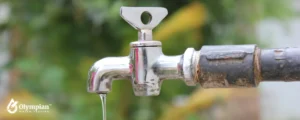
Risks of Water Pollution in Urban Environments
- Published:
- Updated: May 21, 2026
Listen to this article
Summary
Water potability testing Manhattan ensures reliable water quality analysis, supporting safe drinking water and stronger community resilience. Water pollution in urban environments arises from various sources such as industrial waste, sewage discharge, and runoff from roads and buildings. It poses significant risks to human health and the environment, leading to waterborne illnesses, harming aquatic life, and impacting ecosystems.
Contaminated drinking water can cause gastrointestinal issues, skin rashes, and respiratory infections. Pollutants also harm aquatic life, reducing biodiversity and disrupting food chains.

Water pollution is one of the biggest issues for urban areas because the water resources needed grow and increase with the urbanisation and population increase. Water pollution refers to the amount of substances in water that can be noxious to the human health and the environment. This can be through chemical emissions, sewage effluent, agricultural and urban run-off. In cities, pollution from water sources include industrial pollution, sewerage and road and structure run-off.
The Nature and Causes of Water Pollution in Urban Environments
Water pollution comes in many forms: chemical releases, sewage flows, agricultural and urban runoff. Water pollution in cities can originate from industrial discharge, sewage and road and building run-off.
Waste from factories is one of the biggest pollutants in cities. Industries including manufacturing, chemical and energy industry, for example, leak chemicals into the water to pollute and contaminate the waterways and to be hazardous to human and natural health. Poorly treated sewage can also be polluting to water because it is filled with bacteria, viruses and chemicals. It can cause aquatic diseases and aquatic animals. Even road and building run-off can be polluting to water as it accumulates pollutants, such as oil, pesticides and other chemicals.
Impact of Common Sources of Water Pollution

There are many forms of pollution of water in cities, from industrial emissions to sewage to road and construction runoff. These sources of water pollution can be seriously detrimental to health and the environment. Water contaminated with microbes causes gastroenteritis, skin lesions and respiratory illnesses. Water pollution can kill marine life, dwindle biodiversity and break food webs. Toxic chemicals also cause all sorts of diseases, such as cancer, birth defects and chronic disease.
Water pollution can have even greater effects on water quality and aquatic life. Drinking water can lead to many health issues ranging from stomach problems to rashes and respiratory infections. Water contamination also damage aquatic organisms, decreasing biodiversity and breaking food webs. This can have long-term effects on the environment, including reduced populations of fish and other marine species, as well as disruption to the food web.
The Effects of Water Pollution on Drinking Water and Aquatic Life
Water pollution can be a significant threat to drinking water and marine life. Drinking water that has been polluted can lead to gastrointestinal diseases, rash and respiratory infections. This is especially alarming in the cities where so many people depend on public water supply.
So is water pollution. This can be in the form of fish and other water creatures declining in numbers, or disturbances to the food web. When toxic chemicals get into waterways, they can degrade the ecosystem and destroy plants and animals. This can have long-term effects on the food chain, and on the quality of the environment around us.
Potential Health Risks of Contaminated Water
Humans can become seriously ill from drinking water that is polluted. The toxic chemicals cause cancer, birth defects and other ills. If you drink contaminated water, you might get water-borne diseases including gastro-intestinal issues, rashes, and respiratory infections. This is especially worrying for the most at-risk groups — children, the elderly, people with low immune systems.
Testing for Water Pollutants and Recommended Safety Levels
To keep drinking water and fish safe, regularly testing the water for contaminants in cities is a good idea. The tests used to be done in the lab water or the field. Depending on the pollutant, the levels to be considered safe range, though you should be following health groups’ guidelines (such as the World Health Organization) for safe water for drinking and other applications.
Regulations and Policies for Addressing Water Pollution
Water pollution in cities has several regulations and policies like Clean Water Act and Safe Drinking Water Act. They define water quality standards and controls the effluent release into water bodies, and define water standards for consumption. These rules and policies should be reviewed and revised regularly so that they are working to deal effectively with water pollution in the cities.
Reducing and Preventing Water Pollution in Urban Areas
There are many best practices for water conservation and prevention in cities. Sewage and industrial effluent treatment, reduction of road and building run-off and green infrastructure (rain gardens, green roofs) are ways to minimize the contamination of water. Pushing for more robust rules and policies to save water quality and the planet can help, too.
Water pollution can also be prevented and reduced by people in the cities. Inspect household chemicals and reduce pesticide use to help avoid contaminating water sources. Donating to groups and projects that protect water quality and the natural world can help minimize and prevent water contamination as well.
The Economic Costs of Water Pollution
The economic costs of water pollution can be substantial too, as well – in the form of the cost of disinfecting polluted water, lost productivity through sickness, and restoration of damage to nature. The treatment of contaminated water is often very expensive as it might need costly filters or other measures to make it safe to drink or whatever else.
It is also possible that water pollution leads to lost productivity when people can’t get to work or school because they are sick from drinking water. It can hit the economy hard because people cannot continue to work and firms can get hurt. It might also cost quite a lot to repair environmental damage, including huge amounts of cleanup and wildlife restoration.
The Importance of Water Conservation in Urban Areas
There is also a question of water conservation in the city where the requirement of water is rising constantly. These can be efforts to save water in homes, offices, factories and other businesses and actions to save water sources like rivers and lakes. Water-saving devices like low-flow toilets and showerheads can save households and companies water.
The preservation of waterbodies is equally important in cities as well, because water can be preserved from pollution and the next generation will have water to enjoy. It might be things like addressing runoff from roads and buildings, or the protection of wetlands and other delicate habitats. With water conservation and utilisation, our water supply can be kept clean and available for the next generations.
The Role of the Community in Protecting Water Resources
Water security in cities can be centrally held by the population. That might include trying to clean up and save water, or pushing for more regulation and policy to protect water quality and the environment. It’s in the hands of the people to use less of their own water — repair leaks, install water saving devices.
The public could also support more regulation and policies to protect the environment and water quality. This can be by donating to organizations and projects that support water-based protections, and fighting for water-pollution prevention and protection policies. Together, individuals and communities can make sure our water is clean and healthy for generations to come.
The Future of Water Resources in Urban Areas
In the longer term, we should do more to conserve water in cities. That might mean working to improve water quality, saving water, and pushing for stricter rules and regulations on water and water policy. If we do, then our water will be healthy and reliable for all of us to enjoy.
There is also the issue of technology and the maintenance of urban water resources. New water-treatment and water-saving technologies can be created to reduce water pollution and save water. If we adopt technologies and cooperate, we can keep our water healthy and safe for the next generation.
Urban water pollution has been a growing problem and has consequences both for human health and the environment. Understanding the causes, consequences and remedies of water pollution in cities will empower us to do what we can to preserve our water supply, and ensure it is healthy and sustainable for all of us. Water conservation to more robust regulations: there are many ways we can come together to preserve our water and ensure a prosperous future for our kids.
Share this on social media:
Facebook
Twitter
LinkedIn

Related Posts