
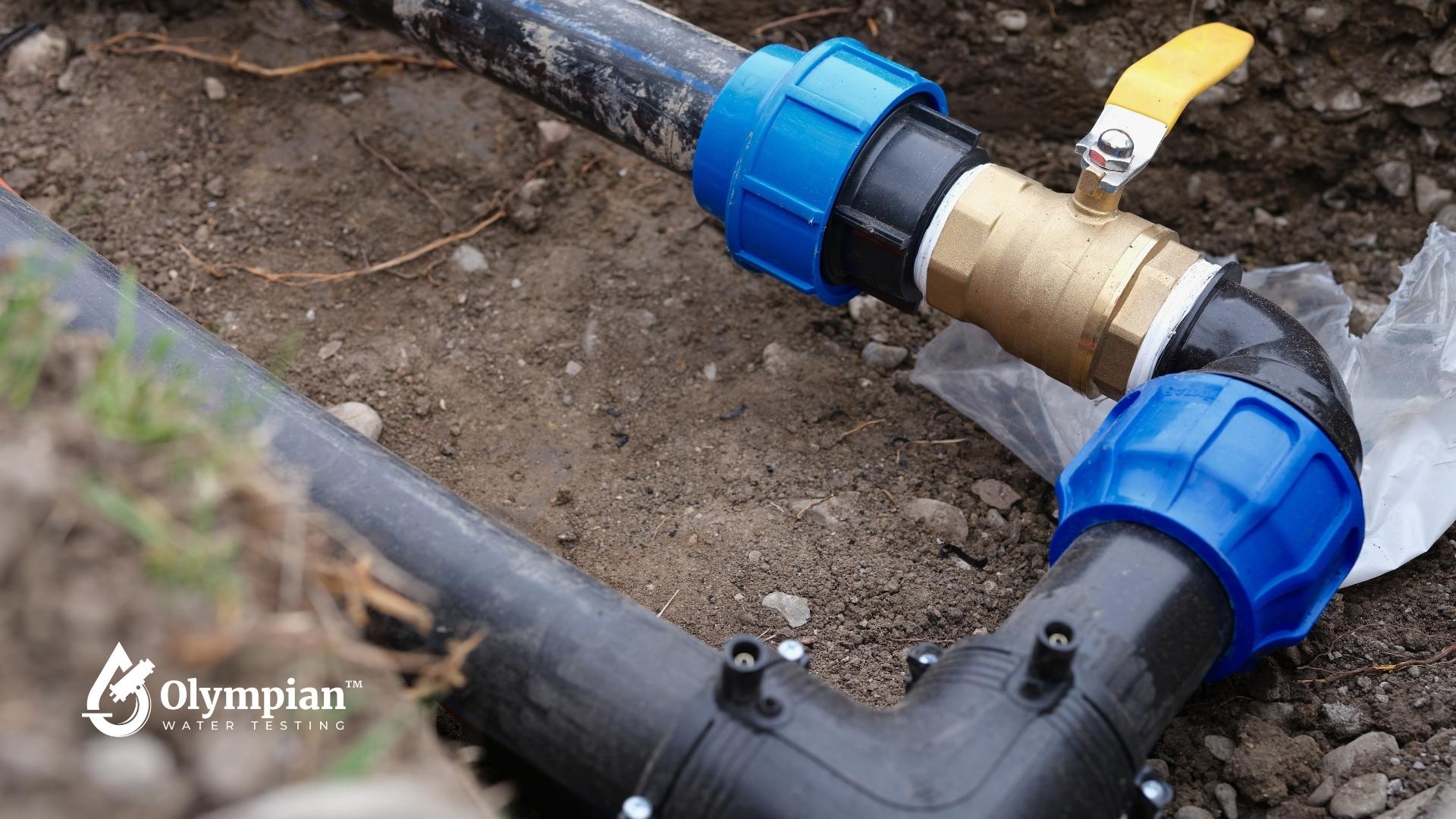
Key Factors When Selecting Home Water Supply Pipes
When planning a home plumbing system, several key factors come into play. These include cost per foot, temperature rating, pressure rating, and longevity. Each of these elements significantly impacts both the system’s performance and its overall cost. Materials that can withstand high temperatures or pressures often prove to be the most durable over time.
Durability Over Time
Ensuring the durability of your pipes is essential for maintaining water quality and minimizing repair costs. Copper pipes, for instance, from Mueller Industries, are known for their minimal internal buildup and extended lifespan. This durability not only saves you money but also prevents hidden damage, reducing the need for frequent replacements.
Resistance to Corrosion
Corrosion-resistant pipes are vital for maintaining water clarity and consistent flow rates. CPVC pipes, for example, are resistant to rust due to their robust composition. It’s important to note that some metal components may corrode over time. Ensuring these components have protective coatings can help prevent leaks and maintain steady water pressure.
Why Copper Pipes Remain a Classic Choice
Plumbers widely endorse copper piping for its reliability in both homes and businesses. This robust material has consistently delivered, ensuring the quality of hot and cold water. It’s also known for its minimal upkeep needs.
Companies like Mueller Industries highlight copper’s eco-friendliness. Its recyclability significantly reduces waste. Copper supports dependable water lines, essential for avoiding plumbing issues. It also excels in handling extreme temperatures, making it compatible with HVAC systems.
While the initial cost may seem high, the long-term benefits are substantial. Skilled soldering ensures joints are tight, standing up to ground shifts and seasonal changes. This durability makes copper a wise investment for many homeowners.
Feature | Benefit |
High Heat Capacity | Handles elevated temperatures without damage |
Corrosion Resistance | Slows metal deterioration to extend pipe life |
Longevity | Reduces frequent replacements |
What PVC Pipes Offer for Home Plumbing
Many households choose PVC piping for its affordability and versatility. Its smooth surface prevents buildup, ensuring consistent water flow. It’s ideal for cold supply lines, drains, and ventilation, making it a popular choice for remodeling.
Ease of Installation
Crews find PVC easy to cut and join, making it perfect for plumbing updates. This efficiency saves time and cuts labor costs, essential in big renovations. Its simple connections also mean fewer leak points, creating a reliable setup for long-term use.
Temperature Tolerance
Rigid plastic pipes handle everyday cold-water needs and resist corrosion well. They have heat limitations, so they’re not used in hot-water lines. Homeowners often pair PVC with other materials for projects needing higher temperatures.
Key Attribute | Benefit |
Corrosion Resistance | Extends pipe lifespan |
Light Weight | Eases transport and fitting |
Cost-Effective | Reduces overall project expenses |
Advantages and Drawbacks of CPVC
Chlorinated polyvinyl chloride (CPVC) is created through a process that enhances its heat resistance. This makes it ideal for hot water distribution in homes, capable of withstanding temperatures up to 200°F. Each CPVC pipe is designed with safety in mind, minimizing risks associated with open flames during installation.
Its performance and ease of installation make it a popular choice among homeowners. This resource on pros and cons of various plumbing options highlights why CPVC is suitable for many households.
- Resistant to diverse household chemicals
- Straightforward solvent-weld connections
CPVC is more expensive than standard PVC. Exposure to UV light can make CPVC pipes brittle, necessitating careful handling and the use of protective additives. Despite its safety and durability, many buyers weigh its cost before making a decision.
Feature | Details |
Temperature Rating | Holds up to 200°F without warping |
Installation Method | Solvent cementing, no open flame needed |
Longevity Factor | Prone to brittleness from UV light over time |
PEX Pipes: A Flexible Favorite
PEX tubing offers a modern alternative to copper for indoor plumbing. It comes in sizes from ¼ inch to 4 inches, with color-coded designs to distinguish hot from cold water lines. This makes it easy to keep the plumbing organized. The flexible nature of these water lines allows them to bend around tight spaces, reducing the need for multiple fittings and joints.
These pipes are not only flexible but also scale-resistant, helping to preserve water flow and minimize corrosion. They can handle both hot and cold supply demands, making them a versatile choice for new constructions or renovation projects. Many homeowners choose PEX because it saves on installation time and reduces labor costs.
It’s important to protect PEX from direct sunlight, as prolonged UV exposure can weaken the material. Using proper covers or strategically placing the lines can help ensure they last for years.
Benefits of Cross-Linked Polyethylene
- Leak Protection: Fewer joints lower the risk of water damage.
- Adaptable Installation: Tubing maneuvers around corners with little hassle.
- Temperature Resilience: Slight expansion protects pipes in freezing conditions.
When Galvanized Steel Might Make Sense
Galvanized steel plumbing emerged in the early 1900s, thanks to a zinc coating that fought corrosion. It became a staple in many older American homes. Over time, the coating wears off, leaving pipes vulnerable to rust and mineral buildup. In areas with hard water, minerals attach to the steel, reducing the pipe’s diameter.
Some homeowners choose galvanized pipes for their durability in heavy-duty applications. While cutting and threading these pipes is harder, they can handle high-pressure installations. A licensed plumber, like one from Roto-Rooter, can determine if an upgrade is needed.
- Original resilience, though limited by zinc erosion
- Not as flexible as PEX or copper
- More labor-intensive to maintain
Comparing Common Pipe Materials
Pipe Type | Typical Lifespan | Common Use |
Galvanized Steel | 40–60 years | Older homes |
PEX | Up to 50 years | Residential retrofits |
Copper | 50+ years | Higher-end builds |
Stainless Steel Pipes for Specialized Needs
Stainless steel plumbing is ideal for demanding environments in both residential and commercial settings. It excels in specialized water lines that face extreme temperatures. Its natural corrosion resistance makes it a top choice for those prioritizing safety and longevity.
High-Pressure Environments
Industries with high-pressure water systems benefit greatly from stainless steel. It withstands intense pressure without deforming. This ensures consistent fluid flow, reducing the risk of leaks and breaks. Such durability is essential for research labs and large manufacturing facilities.
Longevity and Maintenance
Maintenance is straightforward, with regular inspections to detect any issues early. Its robust construction extends its lifespan, saving on future repair costs. Many facility managers opt for stainless steel, confident in its long-term performance with minimal upkeep.
HDPE Pipes in Modern Water Systems
High-Density Polyethylene is known for its robust design and flexibility. Homeowners often opt for an HDPE pipe for dependable connections in both indoor and outdoor water lines. Its heat fusion method creates tight, leak-free joints. These joints withstand soil shifts and harsh weather.
Popular brands like JM Eagle and Performance Pipe have made it a staple in various projects. This includes both municipal and residential ones.
The material’s solid build resists corrosion and scaling. This makes it a smart choice for modern plumbing solutions needing long-term performance. It’s favored for large estates or new constructions due to its ability to handle tough terrain and temperature changes.
Installation should be done by skilled professionals. They ensure all local building codes are followed and use the right tools. This approach guarantees smooth water flow and a long-lasting service life, avoiding the need for frequent maintenance or early replacements.
Comparing Copper vs. PEX for Home Water Supply
Homeowners often find themselves torn between copper and PEX for their plumbing needs. Copper offers a timeless appeal, while PEX is favored for its flexibility. Both materials are known for their durability and reliability, making them suitable retrofit solutions in different scenarios.
Copper vs. pex highlights a stark contrast. Copper relies on metal’s strength and a long-standing reputation. On the other hand, PEX is celebrated for its cost-effectiveness and ease of installation. Plumbers commend both systems for their consistent performance across various environments.
Differences in Cost
Copper pipes are significantly pricier, costing 58% to 68% more than PEX. This disparity stems from copper’s higher recycle value and the need for skilled labor in soldering and cutting. In contrast, PEX requires less labor, which can lead to substantial savings on project costs. This cost difference often plays a critical role in homeowners’ decisions, more so when undertaking extensive renovations.
Ease of Repairs
Repairing copper lines involves cutting out sections and soldering new connections, a time-consuming task in tight spaces. PEX, with its clamp or crimp fittings, offers a more straightforward solution. These fittings are easier to manage in confined areas, making repairs quicker. This advantage appeals to both professional plumbers and DIY enthusiasts.
Leverage Energy Efficiency with the Right Pipe
Choosing the right pipe material and layout can lead to significant savings. An energy-efficient plumbing system typically has shorter water paths and fewer bends. This design helps maintain hot water temperature and reduces heat loss over time.
Using durable materials like CPVC, copper, or PEX, combined with insulated pipes, is key. This approach not only saves on utility bills but also supports a greener home. Some homeowners see long-term benefits by investing in premium insulation, leading to lower energy use.
Regular inspections for leaks or weak spots are essential to prevent heat loss. Ensure pipe joints fit well and sealants are checked regularly. Keeping water warm for longer periods reduces the need for constant heating.
- Choose pipes with reliable thermal retention.
- Limit the distance your water travels.
- Seal all connections carefully.
Pipe Material | Heat Retention | Longevity |
Copper | Moderate | High |
CPVC | Strong | Medium |
PEX | Excellent | High |
Handling Common Pipe Issues
Clanging pipes and rusty-looking tap water often indicate plumbing strain. Reduced pressure can signal corrosion or hidden joint problems. Regular checks protect walls, floors, and fixtures from costly damage. Many turn to plumbing experts to assess if repairs or replacements are necessary.
Older metal pipes may rust, while plastic lines can weaken at connections. Even small drips can escalate into significant issues. Maintaining pipes involves monitoring water color, listening for hissing, and checking temperature changes. Acting swiftly can save substantial costs.
Spotting Early Leaks
Moisture stains on ceilings or damp spots under sinks are early signs of leaks. Timely inspections prevent further damage and mold growth. Sealing small cracks and tightening fittings can prevent burst pipes. Vigilance ensures families stay safe and plumbing remains reliable over the years.
Why PEX is Often Viewed as the Best Water Supply Pipe
Homeowners appreciate its lightweight design and fewer fittings needed. This reduces the risk of leaks during everyday use. Plumbers also commend its durability, showing impressive resistance to corrosion.
The demand for flexible plumbing solutions has grown. PEX meets this need by handling various temperatures and water conditions well. It withstands freeze damage and resists buildup over time.
Cost-effectiveness is another advantage. With fewer joints to install, it saves on labor and materials. This leads to lower maintenance costs for households. It also integrates well with existing fixtures, making upgrades less invasive.
- Fewer elbows and fittings
- Reduced corrosion concerns
- Works well in colder climates
These attributes solidify PEX as a top choice for the best water supply pipe. It’s increasingly preferred for both new installations and replacements across the country.
Installation Best Practices for Longevity
Proper planning is essential for a durable water supply system. It involves thorough preparation, including the use of brand-approved materials and attention to home layouts. Each connection plays a significant role in overall efficiency and resilience.
Ensuring Proper Insulation
Strategic insulation can prevent costly issues and help conserve energy. Studies show that hot water lines without insulation may lose up to 23% of heat, increasing utility bills. Applying plumbing insulation around both hot and cold pipes reduces heat loss and limits condensation. Thicker insulation also reduces mold risks and improves water temperature retention.
Hiring Qualified Plumbing Professionals
A professional plumber is well-versed in building codes and advanced installation techniques. Soldering copper joints or solvent welding PVC lines requires specialized training. Certified experts ensure each junction meets safety standards and prevents hidden leaks. Clear communication with knowledgeable technicians guarantees you invest in reliable components that meet your household’s needs. When seeking pipe installation tips, choosing trained teams safeguards your property and extends system life.
Tips for Reducing Contamination Risks
Homeowners are keen on ensuring their drinking water is clean. They start by choosing plumbing systems that meet health standards. This includes selecting materials that are certified for safety. Recent updates to national codes have also introduced stricter limits on lead in fixtures and solder.
Agencies like the U.S. Environmental Protection Agency advise replacing older components. This move helps in maintaining potable water safety by eliminating sources of metal contamination. Many opt for lead-free pipes to adhere to regulations that protect against health risks.
Using approved brands ensures that every faucet or valve meets the required standards. A focus on thorough inspections also helps in identifying hidden issues early. This allows for quick fixes before problems escalate.
Choosing Lead-Free Components
This step is critical in addressing the risks associated with aging metals. Homeowners often choose copper or certified PEX, which are known to reduce harmful leaching. It’s important to verify the lead content in products to prevent contamination. Regular inspections by a licensed plumber confirm that all components are safe for use.
Method | Benefit |
Regular Pipe Inspections | Detect small leaks and prevent bigger issues |
Upgrade to Lead-Free Pipes | Enhance potable water safety and reduce toxins |
Check Fixture Labels | Ensure compliance with local health codes |
Budgeting for New Water Supply Pipes
Planning for a new piping system often raises questions about materials, labor, and costs. Early consideration of these factors helps set realistic financial targets. A timely replacement of water pipes can prevent leaks or damage from worsening. Effective budgeting ensures a clear financial plan, avoiding unexpected expenses.
The choice of materials significantly impacts costs. Copper pipes, though pricier per foot, offer longer service life. In contrast, PEX and CPVC are more affordable but may not last as long. The complexity of a home’s design also affects labor costs, influencing the final bill. These elements are critical in the planning phase. Adequate budgeting covers essential components, inspections, and any unexpected needs.
Choosing the right material involves understanding average costs and installation methods. Common options include:
- Copper: $2.50–$8.00 per linear foot, with higher labor costs.
- PEX: $0.50–$2.00 per linear foot, known for quick, flexible installations.
- CPVC: $0.50–$1.50 per linear foot, rigid but reliable with solvent welding.
- PVC: Similar to CPVC, but not used for hot water.
Effective spending balances initial costs against durability. This strategy keeps costs manageable and supports long-term savings. Timely replacement of water pipes also reduces the need for future repairs or leaks. Proper budgeting includes labor estimates and compliance with codes for smooth, cost-effective outcomes.
A Final Word on Selecting Home Water Supply Materials
This home plumbing wrap-up aims to highlight key points for homeowners. Each pipe offers a unique balance of performance, cost, and safety. Copper is known for its durability, while PEX is celebrated for its flexibility. PVC and CPVC cater to various budgets, and stainless steel is ideal for specific settings. HDPE is a standout in modern constructions.
Long-term performance hinges on environmental conditions and daily use. Proper installation is critical to avoid leaks and contamination risks. An efficient plumbing system requires careful insulation and the use of lead-free components. Skilled professionals ensure error-free installation, extending the life of your pipes.
Choosing the right material involves weighing each option’s strengths. This approach secures lasting value for your home. The ultimate goal is a reliable system that meets your household’s needs, ensuring water flows smoothly and confidently.
FAQ
Are thermoplastic pipes like PVC or CPVC safe for drinking water?
Yes, thermoplastic pipes with NSF/ANSI certifications are safe for drinking water. They resist corrosion and chemical leaching. This makes them a reliable choice for many home renovations.
Is PEX suitable for green building or sustainable plumbing projects?
PEX is a top choice for eco-friendly designs. It reduces material waste and minimizes heat loss with proper insulation. Its flexibility can also shorten pipe runs, cutting down on energy consumption and leaks.
Does UV exposure affect the performance of PEX or HDPE lines?
UV exposure can degrade PEX and HDPE over time. Installing these pipes indoors or underground, or using a protective covering, helps prevent UV damage. This prolongs their service life.
What factors should be considered for DIY installation vs. hiring a professional plumber?
DIY projects may save upfront costs, but they can be risky. Building code compliance, local regulations, and handling methods are complex. A professional plumber ensures correct installation, reducing hazards and future repair costs.
How can homeowners maintain optimal water pressure with different pipe types?
Choose a pipe material with minimal internal buildup, like CPVC, PEX, or copper. Regular inspections for leaks and corrosion, even with older metal pipes, ensure consistent water pressure.
Is stainless steel piping a cost-effective option for high-pressure applications?
Stainless steel is more expensive but offers excellent abrasion and corrosion resistance. Its durability in high-pressure or corrosive environments often justifies the higher upfront cost.
Why are some galvanized steel pipes being replaced despite their strength?
Over time, the zinc coating wears down, exposing steel to rust and restricted flow. Homeowners often choose PVC, CPVC, PEX, or copper for fewer corrosion concerns and easier installations.
What role does pipe insulation play in reducing energy bills?
Insulating hot water supply lines, whether copper, CPVC, or PEX, keeps water temperatures higher. This reduces heating costs by lowering the energy needed to keep water warm. Insulation is a smart addition to any home renovation.