Historical Overview of Passaic County Water Sources
Early settlements in this area were built around natural springs and wells. These sources were essential for farm families’ drinking and cooking needs. The discovery of reliable rivers led to the growth of larger settlements, marking a shift towards more organized development. Today, ensuring access to healthy water remains a top priority.
Early Settlement and Natural Wells
Life in these communities centered around the fresh groundwater from shallow wells. People gathered at these spots for daily tasks, recognizing the importance of clean water for health. The need for groundwater protection grew, driven by the issues of contamination from inadequate waste management.
Growing Communities and River Dependencies
As towns grew, they turned to rivers for both irrigation and drinking water. The introduction of new pumping technologies led to the establishment of the first municipal water systems in Passaic County. The Post Brook area in West Milford was a key part of these early systems. These initiatives paved the way for the sophisticated treatment plants that serve communities today.
Early Industrial Impact on Water Quality
Historic manufacturing sites introduced fresh concerns for Passaic County’s streams and rivers. Direct factory discharge allowed chemicals and metals to flow into local waterways. PVWC data shows that industrial runoff contributed to lingering residues seen in modern testing.
Factory Wastewater Disposal
Some facilities released effluent without adequate treatment. Toxic particles led to lead contamination that raised alarms among residents. Many communities witnessed the consequences of unchecked dumping when fish stocks declined and local health issues surfaced.
Initial Public Health Responses
Local boards took steps to investigate contamination trends and issue basic advisories. Officials established rudimentary guidelines that paved the way for stronger EPA standards now in place. Areas once exposed to heavy runoff received closer scrutiny, prompting continued improvements in sampling methods.
Common factory-related pollutants from past decades included:
Pollutant | Typical Source | Potential Health Risk |
Lead | Metal Foundries | Neurological Damage |
Mercury | Textile Plants | Organ Toxicity |
Industrial Chemicals | Dye Factories | Respiratory Issues |
Environmental Regulations that Shaped Local Practices
The Safe Drinking Water Act introduced stricter standards for water treatment. Local utilities began testing more frequently and refining their filtration methods. The Passaic Valley Water Commission, for instance, conducts regular evaluations to detect threats early. Their consumer confidence report details the disinfection methods used and their adherence to federal guidelines.
These regulations have significantly reduced chemical residues in water, lowering health risks associated with contaminants. They also spur research into more advanced filtration techniques and stricter oversight. This leads to increased public trust in the water supply. Regular updates and transparent reports ensure that household water remains clean and safe.
By enforcing these mandated levels, contaminants are kept within safe limits. This is a critical step towards maintaining the quality of our drinking water.
Regulation | Focus | Effect on Water Supply |
Safe Drinking Water Act | Federal Standards | Unified Testing Requirements |
Annual Consumer Confidence Report | Public Disclosure | Greater Transparency on Water Quality |
Significant Health Concerns Over Time
Residents of Passaic County face growing water safety issues, underscoring the need for safe drinking water and continuous testing. Recent data from the Passaic Valley Water Commission shows alarming levels of bacteria, lead, and PFAS. These findings highlight major health risks.
“Clean water is a fundamental human right,” states the World Health Organization.
Communities are working to address PFAS concerns and find effective solutions. Experts warn that new contaminants can appear at any time. This emphasizes the importance of staying alert and proactive.
Bacterial Contamination in Residential Wells
Untreated wells can harbor dangerous bacteria, posing risks to families. Regular testing and proper disinfection are essential to prevent outbreaks. Public health agencies advise frequent testing to ensure safety against pathogens.
Lead and Chemical Pollutants in Municipal Systems
High lead levels often come from outdated pipes, endangering schools and homes. Chemical residues, including PFAS concerns, require advanced filtration and regular analysis. The county is working to meet current standards for safe drinking water.
Modern Challenges in Water Sustainability
Passaic County is grappling with the effects of population growth and aging infrastructure. New strategies are being implemented to boost conservation and ensure a steady water supply. Public utilities are teaming up with environmental groups to protect clean water sources. They recognize the importance of safeguarding these resources for future generations.
Advanced filtration systems and targeted upgrades to existing infrastructure are being implemented. These efforts aim to mitigate emerging contamination risks.
According to the Environmental Protection Agency, “Conservation and recycling remain key to long-term resource security.”
Communities in the county are embracing water reuse strategies. These include sustainable resource management and smarter operational controls. This shift is part of a broader effort to ensure reliable access to water for all residents and businesses.
- Investments in rainwater harvesting
- Promotion of efficient appliances
- Support for reservoir restoration

Strategy | Focus | Benefit |
Water Recycling | Reduced Waste | Conservation of Freshwater |
Infrastructure Upgrades | Pipeline Renewal | Fewer Leaks and Contaminations |
Smart Monitoring | Real-Time Data | Quicker Problem Detection |
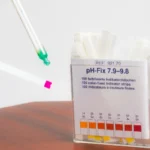
Water Testing Passaic County
Local oversight is key to maintaining NJ water quality. Effective monitoring catches hazards early, boosting confidence in tap or well water. This commitment to safety relies on thorough procedures and reliable resources for ongoing protection.
Regulatory guidelines dictate the frequency and methods of testing. Professionals ensure these procedures are up-to-date and trustworthy. Clear communication about test results keeps the public informed about any changes in local water conditions.
The Role of Public Utilities in Testing
Official agencies, like the Passaic Valley Water Commission, perform regular tests. They collect over 1,000 samples monthly and track more than 200 contaminants. Their efforts adhere to EPA and New Jersey Department of Environmental Protection standards.
Technicians employ advanced techniques to detect bacteria, metals, and other substances. Their findings guide any necessary improvements, ensuring public water systems are reliable.
Importance of Certified Private Testing Services
Independent labs provide detailed assessments for homes with unique needs. Some residents rely on wells or seek extra assurance for NJ water quality. Certified experts can tailor analyses, focusing on specific contaminants like nitrates or heavy metals to ensure safety.
Testing Entity | Samples Collected Monthly | Primary Focus | Key Benefit |
Public Utilities | 1,000+ | Broad Contaminant Surveillance | Compliance and Community-Wide Safety |
Private Labs | Varies by Client | Targeted Concerns | Personalized Testing and Assurance |
Advanced Treatment Technologies
The Passaic Valley Water Commission (PVWC) has adopted specialized filtration to tackle PFAS concerns. They use granular activated carbon and ion exchange to remove specific impurities. This approach aims to clean municipal water systems, addressing both known and emerging contaminants.
Many facilities now employ upgraded hardware, including automated monitoring units. These systems adjust chemical doses automatically. They are designed for optimal flow to minimize contact with PFAS-related byproducts. This method aligns with industry guidelines, showing a strong commitment to public health.
Operations staff continuously monitor equipment performance. Engineers collect data regularly and work with the Environmental Protection Agency. This careful oversight enhances municipal water systems’ resilience against changing conditions. Advanced solutions demonstrate a renewed focus on purity, reflecting the region’s commitment to delivering quality tap water.
Community Awareness and Education Initiatives
Public events and pilot campaigns by Passaic Valley Water Commission educate residents on contaminants and testing. They learn how to maintain water sustainability for better health. This increases awareness of local water issues and enhances understanding of groundwater protection.
Workshops and Public Outreach Programs
Workshops teach families about safe filtration methods, understanding test results, and preventing waterborne diseases. PVWC experts stress the importance of keeping personal test kits current. These sessions change daily habits and motivate community maintenance efforts.
School Curriculums for Future Generations
Elementary and high school classes focus on conservation. Students dive into scientific data and learn how groundwater protection protects their neighborhoods. Teachers collaborate with local agencies to bring in guest speakers. This approach encourages early environmental involvement and shapes tomorrow’s leaders.
Initiative | Focus | Benefit |
Community Workshops | Contaminant Awareness and Testing Tips | Promotes safer home water practices |
Educational Pilot Programs | Sampling & Disease Prevention | Empowers families to check water quality |
Interactive School Lessons | Conservation Principles | Inspires future commitment to water sustainability |
Analyzing Present-Day Water Quality Metrics
Recent data from the Passaic Valley Water Commission sheds light on contaminant levels in public supplies. It includes a consumer confidence report that highlights TTHMs, HAAs, lead, and PFOS. These findings help residents understand if their water meets EPA and NJDEP benchmarks.
Results reflect advanced testing methods that focus on both microbial and chemical indicators. They show how facilities compare against EPA standards. This information guides local utilities as they address possible risks before they become widespread concerns.
- TTHMs and HAAs: Common byproducts from water disinfection
- Lead: A persistent threat from aging infrastructure
- PFOS: An emerging contaminant tied to industrial sources
Health-conscious individuals gain insight by reviewing these evaluations. They can decide if home filtration or other measures are necessary. Public awareness thrives on accessible data and clear explanations.
Guidelines for Safe Home Water Management
Every household is critical in maintaining safe drinking water. Public systems do a lot, but private owners face risks too. Older pipes and wells can lead to surprises in the tap. So, it’s important to stay alert. Taking a few steps at home can ensure reliable water for everyday use.
Filtration and Disinfection Techniques
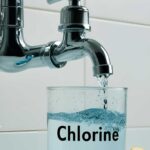
Effective filtration depends on the contaminants present. Boiling water can reduce bacterial threats. Activated carbon filters can handle chemical residues. Chlorination adds another layer of protection when dealing with wells. It’s essential to choose systems that match your home’s specific needs for the best results.
- Choose filters rated for targeted pollutants
- Test water regularly to confirm effectiveness
- Consider expert advice on well management
Routine Maintenance and Best Practices
Property owners can reduce lead contamination risks by upgrading old plumbing and replacing corroded fixtures. Regular filter checks and prompt maintenance can keep issues at bay. Safe practices offer greater protection for families.
Method | Usage | Primary Benefit |
Carbon Filtration | Removes odors and chemical residues | Improves taste and clarity |
Boiling | Kills bacteria and viruses | Offers fast, straightforward option |
Chlorination | Disinfects well systems | Reduces harmful microbes |
Ensuring a Healthier Future for Passaic County
Passaic County’s commitment to safe resources is unwavering. It guides residents, local authorities, and the Passaic Valley Water Commission. They focus on clean water initiatives, ensuring over 800,000 consumers have access to essential supplies. This strategy meets today’s needs while preparing for tomorrow’s demands.
Leaders have implemented cutting-edge systems to prevent pollution and protect natural habitats. Their efforts include regular testing and open dialogue with the community. A recent water quality data resource provides valuable insights, strengthening public trust in their programs.
Public engagement is vital. Workshops, school programs, and outreach efforts educate on conservation practices. These initiatives inspire residents to contribute to environmental health. They empower both children and adults to reduce waste, prevent contamination, and support broader goals.
Through these clean water initiatives, Passaic County is building a future of cooperation and care. The Passaic Valley Water Commission exemplifies this, demonstrating that progress is achieved through innovation and teamwork. Together, they set a high standard for protecting vital water resources, inspiring others to follow suit.