Connection Between Water Quality and Human Health Outcomes
- Published:
- Updated: December 16, 2024
Listen to this article
Summary
Safe and clean water is essential for maintaining good health and preventing the spread of waterborne diseases. Poor water quality can lead to gastrointestinal illnesses, respiratory problems, developmental issues, and even cancer. Monitoring water quality is crucial to identify and address sources of pollution, and governments play a vital role in setting and enforcing water quality standards. Factors contributing to poor water quality include agricultural runoff, industrial pollution, sewage, and natural events. Personal responsibility also plays a role in protecting water quality, through actions such as proper waste disposal and water conservation. By ensuring safe water, we can promote good health and well-being for all individuals.

It is a fundamental part of living and essential to health. It is the quality of water that determines the human health effects of it, and we need to know the relationship between water quality and human health impacts.
We are not living without access to clean water. Not only does it need to be used to drink, cook, bathe and wash but it also needs to be prevented by waterborne pathogens and diseases. But for all of its importance, most communities around the world live in unhygienic water quality, with corresponding public health impacts. – Bad water quality can lead to a variety of diseases, from mild illness to chronic diseases, and you must know the relationship between water quality and human health.
What is the Importance of Safe Drinking Water?
Water is the foundation of good health. It impedes the transmission of water-borne infections and ailments like cholera, dysentery, typhoid fever that can be deadly to the body, particularly in the weaker groups such as children and elderly people. Moreover, bottled water also helps keep other infections and ailments like hepatitis A and E coli from getting the hang of things and ruining people’s health.
The Impact of Poor Water Quality on Human Health

Poor water quality can have a range of negative impacts on human health, including:
- Gastrointestinal illnesses: Poor water quality can lead to the spread of waterborne illnesses, such as diarrhea and cholera. These illnesses can result in dehydration and malnutrition, which can be particularly harmful to young children and the elderly. In addition, these illnesses can spread quickly and cause widespread outbreaks, especially in areas with poor sanitation and hygiene.
- Respiratory illnesses: Poor water quality can also lead to respiratory illnesses, such as pneumonia. This is because contaminated water can contain harmful chemicals and pollutants that can irritate the respiratory system, causing serious health problems. In addition, exposure to contaminated water can also lead to lung infections, such as bronchitis and pneumonia.
- Developmental problems: Exposure to contaminated water can also lead to developmental problems, such as birth defects and developmental delays. This is because contaminated water can contain harmful chemicals, such as lead and mercury that can have a negative impact on fetal development. In addition, exposure to contaminated water during pregnancy can also lead to low birth weight, premature birth, and other health problems.
- Cancer: Exposure to contaminated water can also increase the risk of certain types of cancer, such as bladder cancer and liver cancer. This is because contaminated water can contain harmful chemicals, such as carcinogens, that can increase the risk of cancer. In addition, exposure to contaminated water can also increase the risk of other health problems, such as liver damage and kidney damage.
The Importance of Monitoring Water Quality
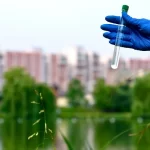
Monitoring water quality is essential to ensure that it is safe for human consumption. This involves testing water samples to determine if they contain harmful chemicals and pollutants, such as bacteria, heavy metals, and toxic chemicals. Monitoring water quality can help to identify areas where water quality is poor, so that steps can be taken to improve it. In addition, monitoring water quality can help to identify trends and patterns in water quality, which can help to identify and address sources of pollution.
The Role of Governments in Ensuring Safe Water
Governments play a critical role in ensuring that water is safe for human consumption. This includes setting and enforcing water quality standards, monitoring water quality, and providing access to safe drinking water for all citizens. Governments can also take steps to improve water quality by implementing policies and programs that reduce pollution and protect water sources. For example, governments can regulate agricultural and industrial practices to reduce the amount of pollutants that enter the water supply. They can also invest in infrastructure and technology to improve the treatment of sewage and wastewater.
Factors That Contribute to Poor Water Quality
There are a number of factors that can contribute to poor water quality, including:
- Agricultural runoff: Agricultural runoff is a major source of water pollution. This is because chemicals and pollutants from agricultural activities, such as fertilizer and pesticide use, can enter the water supply, leading to contamination. In addition, runoff from animal feedlots and dairy farms can also contribute to water pollution, as it can contain animal waste and other harmful chemicals.
- Industrial pollution: Industrial activities, such as manufacturing and mining, can also contribute to water pollution. This is because industrial processes can release harmful chemicals and pollutants into the water supply, such as heavy metals, toxic chemicals, and other pollutants. These chemicals can have serious health impacts, including increased risk of cancer, respiratory problems, and developmental problems.
- Sewage and wastewater: Poorly managed sewage and wastewater can also contribute to water pollution. This is because sewage and wastewater can contain harmful chemicals and pollutants, such as human waste, chemicals from cleaning products, and industrial chemicals. Poorly managed sewage and wastewater can also result in the spread of waterborne illnesses and diseases.
- Natural events: Natural events, such as floods and hurricanes, can also contribute to water pollution. This is because these events can cause contaminated water to enter the water supply, as well as disrupt water treatment and distribution systems, leading to water shortages and decreased water quality.
The Importance of Personal Responsibility
Governments can be critical providers of safe water but people are responsible for water quality. That can be done by doing things to prevent water contamination like disposing of household chemicals properly, or not using products with chemicals in them. Furthermore, the people also have a way to save water, like replacing the leaks and the water-saving appliances. That isn’t only good for saving water, but can also help to lower the amount of chemicals and contaminants that get into the water system.
There is no uncertainty as to the relationship between water quality and human health. Even low water quality can have disastrous public health effects ranging from small disease to major illnesses. Governments, institutions and individuals are all liable for water that can be used safely for human use. If we can do more to minimize water pollution and maintain the integrity of water bodies, then water quality can be maintained and everyone can have good health. We should also know the value of having clean water, and what we can do to preserve the water for everyone’s health so we can have access to clean and safe water.
Share this on social media:
Facebook
Twitter
LinkedIn

Related Posts