Connection Between Water Quality and Climate Change Adaptation
- Published:
- Updated: December 16, 2024
Listen to this article
Summary
Improving water quality is essential for climate change adaptation:
Impact of Climate Change: Climate change affects water quality and availability through changes in precipitation patterns, rising temperatures, and increased flooding.
Benefits of Better Management: Water conservation, protection of water sources, and infrastructure upgrades can mitigate the impacts of climate change on water quality.
Role of Technology: Advancements in water treatment technologies and monitoring systems aid in detecting contaminants and ensuring safe water supplies.

Our planet is also affected by climate change and how much water is available and what kind of water it is. Now that the world is becoming increasingly populated and water is needed more than ever, we should know what is the relationship between water quality and adapting to climate change.
The Impacts of Climate Change on Water Quality and Availability
Water quality and quantity is being affected by climate change in various ways. Patterns of precipitation, warming temperatures and evaporation are all causing water reserves to shrink. Sea level rise and rising flooding are smearing water bodies that are not safe for humans to drink, and poisoning ecosystems.
Bad water quality can affect communities and ecosystems on a small scale. Water infiltrated by pathogens leads to sickness and death. Eau de polluted can also damage environments and animals, depleting natural systems of life on Earth. The effects of contaminated water can be especially devastating in developing countries, where clean water and medical care aren’t always available. Some areas have women and children who spend hours every day digging up water from tainted waters, leaving them vulnerable to waterborne illness and less able to go to school or work.
The Benefits of Better Water Management Practices

The right water management will make it possible to respond to climate change and make water quality better. Water conservation, rainwater harvesting, low flow toilets and showerheads are ways to do so.
The second aspect of better water management is the conservation and rehabilitation of waterways, rivers and wetlands. These ecosystems are critical to our planet’s wellbeing, and we need to do everything in our power to conserve and recover them as the climate changes. Wetlands can lessen the frequency of flooding and droughts, give wildlife critical places to live and improve water quality.
If you’re able to improve the infrastructure for managing water — pipes, water treatment plants — then it can be easier to deliver water to people safely and efficiently as well. This can be re-enforcements of existing systems or construction of new pipes and wastewater treatment facilities to meet increasing water needs.
The Role of Technology in Improving Water Quality and Management
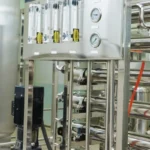
Water Quality and Management in an Increasingly Changing Climate: the role of technology in Water Quality and Management is becoming more significant. Water treatment technology (including reverse osmosis and ultraviolet light) is transforming water purification to be both cheaper and simpler to filter out impurities. Water quality is being continuously monitored and contaminants are being picked up to make water more efficient.
The sensors and monitoring technology are being built to sense pollutants in water, all the time, so that water managers can be ready to react to contamination incidents immediately. That can keep water-borne pathogens at bay and minimise the damage done by polluted water to communities and habitats.
The energy and resources involved in water treatment are also being streamlined by the creation of new technologies. It’s creating new membranes and filtration materials that clean water faster and using less energy. This can make water treatment less carbon-intensive and more environmentally viable.
Ensuring Fair and Equitable Access to Water Resources
We need to make sure water resources are equally shared as the world grows and more people need it. It means tackling inequality in clean water access, like the ones among the excluded groups, and making sure everyone has access to clean water.
Rural areas and indigenous communities in many parts of the world suffer most severely from water scarcity and scarcity. It could mean having less clean water, more waterborne diseases, less ability to cultivate and earn a living.
Protecting Public Health in a Changing Climate
The best we can do to secure public health against climate change is to limit water-borne diseases. Then you can do it by bringing water quality up, more people having access to clean water and being more hygiene minded. Communities should also be told what can be done to protect themselves and their families from contaminated water.
With clean water and sanitation services available, waterborne diseases like cholera and typhoid can be mitigated. The maintenance of hygiene measures like washing your hands and preparation of food can reduce water-borne illnesses too.
Protecting and Restoring Water Sources in a Changing Climate
Watersheds, like rivers and wetlands, need to be saved and restored if our world is to stay healthy and resilient against climate change. We can do this by reclaiming degraded ecosystems, preventing development in wetlands, and through sustainable land-use.
Water quality and vulnerability to flooding and drought can be improved by restoring damaged wetlands and rivers. By insulating wetlands from development and implementing land use policies that promote conservation, climate change can be ameliorated and water quality improved.
Working Together to Improve Water Quality and Adapt to Climate Change
Improved water quality and adaptation to climate change is the responsibility of all of us. Every government, every community, and everyone has a part to play in making sure we’re drinking water that’s safe and clean for the future. It might be investing in water treatment systems, advocating for sustainable water use, or co-operating to save and refill waterways.
Governments can also finance water treatment equipment and infrastructure and invest in the stewardship of water. Water systems – rivers, wetlands, and so on – can be managed collectively for protection and restoration and sustainable water management. It is also up to individuals to save water, avoid plastic and other toxins, and help promote sustainable water management.
Water quality is connected to adaptation to climate change, which is particularly consequential. If we improve water quality, reduce water-borne diseases, and collectively prepare for climate change, we can ensure we’ll have clean, safe water for future generations.
The Importance of International Cooperation in Improving Water Quality
International cooperation is key to water quality enhancement and climate change mitigation. Countries can collaborate to exchange lessons learned, to provide technical and financial support, and to work on regional and international programmes to secure and enhance water resources.
Multilateral collaboration can support the construction of water treatment equipment and infrastructure, as well as the development of sustainable water management. Water resources can also be shared justly and equitably by international cooperation that will help avoid the danger of conflict over water.
The Role of the Private Sector in Improving Water Quality
So too can the private sector in maintaining good water quality and responding to climate change. Private firms could finance water treatment equipment and infrastructure and support sustainable water use. Private industry can also be an activist on water quality and how to preserve and enhance water resources.
Private corporations could partner with residents to bring safe water and sanitation, and promote sustainable water use. The private sector can also invest in the research and development of new water treatment technologies and in the implementation of sustainable water management.
The Importance of Public Awareness and Education in Improving Water Quality
It is also necessary to educate and make people aware to maintain healthy water and to respond to climate change. We can educate individuals, communities and governments about water quality and the risk of polluted water as well as on what can be done to prevent and clean it.
Incentives such as public education can inform people about the hazards of polluted water and what they can do to safeguard themselves and their loved ones. There are also public education programmes that can be used to educate people on the value of water conservation, sustainable water management and the need to take steps to safeguard and improve water quality.
The Role of Civil Society in Improving Water Quality
So also is civil society in enhancing water quality and coping with climate change. Society can collaborate with communities, governments and private companies to advocate for sustainable water management, to save and restore water resources, and to promote water quality awareness.
With communities, civil society can help them implement water use and conservation techniques, as well as technologies and infrastructure for water treatment. Even civil society groups can lobby for policy and investment that encourages sustainable water use and the protection and enhancement of water supplies.
Improved water quality and climate change adaptation are multi-layered issues that governments, communities, the private sector, civil society and citizens need to work on in partnership.
Share this on social media:
Facebook
Twitter
LinkedIn

Related Posts