Connection Between Water Quality and Fish Health
- Published:
- Updated: November 12, 2024
Listen to this article
Summary
Maintaining optimal water quality is crucial for the health and well-being of fish. Factors like pH level, dissolved minerals, temperature, and hardness are key indicators to monitor. Poor water quality can lead to stress, disease, and even death in fish, manifesting in symptoms like clamped fins, rapid breathing, dull coloration, skin lesions, and loss of appetite. Regular water changes, proper filtration, and adding live plants can help maintain water quality. Overstocking and improper lighting can negatively impact water quality and fish health. Quarantine tanks are essential for introducing new fish and preventing disease spread. Regular water testing is necessary to identify and address any water quality issues promptly, ensuring the health of your fish.

Fish are fragile creatures that need to be in certain conditions. The health and wellbeing of fish depends upon how the water in which they live is of high quality.
The Importance of Maintaining Optimal Water Quality
Water quality plays a crucial role in the health and survival of fish. Poor water quality can lead to a range of health problems, including stress, disease, and even death. Conversely, good water quality can help to promote the overall health of fish and keep them in top condition.
Fish are highly sensitive to changes in their environment, and even small variations in water quality can have a significant impact on their health. For example, a sudden change in pH can cause stress and make fish more susceptible to disease. Similarly, an increase in temperature can create an environment that is favorable for the growth of harmful bacteria and parasites, which can compromise the health of the fish.
The Key Indicators of Water Quality

Here are some of the most important water quality indicators for fish health. You need to be familiar with these signs and keep track of them in order to have the best water quality possible and keep your fish healthy.
pH Level
pH, water is the acidity or alkalinity of the water. Fish require a certain pH to live and, if it is too low, it will be stressed and have health issues.
There is no set pH range, and fish of any kind prefer a pH between 6.5 and 7.5. Be sure to check the pH of the water regularly and tweak when necessary to keep it in the right range. This can be done with pH adjusting products or simply by altering the water’s hardness.
Dissolved Minerals
Water Quality – The dissolved minerals like calcium and magnesium are critical. They alter the pH of water and the condition of fish.
The presence of a lot of minerals in the water tends to acidify the water and create stress and illness for some fish. Remember to monitor the water for dissolved minerals and make modifications as necessary so they’re within the optimal range for the species you’re keeping. That can be done by water softening chemicals or by changing the water’s pH.
Temperature
Water temperature is another key determinant of water quality. Fish need very particular temperatures to survive and deviate from them leads to stress and disease.
Keep your aquarium or pond a consistent temperature so that your fish stay healthy. This can be done with the help of heating and cooling appliances like heaters and chillers. You also want to keep an eye on the water temperature all the time, to make sure that it stays in the ideal range for the fish you are keeping.
Hardness
Hardness is based on how much mineral is in the water. Fish need to be a certain hardness to survive, and when you don’t hit that mark, you’re stressed and unhealthy.
You want to be sure to keep an eye on the hardness of the water periodically and change as necessary so it stays in the desired range for the fish species you’re keeping. This can be done by water softeners or changing the water’s pH level.
Symptoms of Poor Water Quality
The low quality water can lead to stress, illness and even death in fish. Some of the most common signs of bad water quality are:
Clamped fins: Stressed or water poor fish will hold their fins close to their body instead of releasing them.
Breathing fast: If the water quality is poor, fish will breathe fast too, indicating stress or illness.
Discolored fish: Fish that aren’t getting good water quality may not only become pale but become washed out.
Skin spots: Skin spots can be a sign of illness or tension too as well, if the water is not clean enough.
Appetite loss: If you have a bad water condition, your fish can also become dehydrated and eat nothing.
Keep your fish on a routine inspection for signs of poor water quality, and get something fixed as soon as possible. This could be by tweaking the water quality (changing the pH or hardness) or diagnosing the fish for some hidden disease.
The Role of Water Changes in Maintaining Water Quality
A routine water change is one of the most important parts of keeping your aquarium or pond in top shape. Water changes clean your fish from all the waste and pollutants that could be detrimental to its health.
– You’re recommended to do a water change once every week, for instance, to make sure your fish are getting the highest quality water available. If you are changing your water, make sure you are changing with dechlorinated water that is similar in temperature and pH to the water in your aquarium or pond.
The Importance of Proper Filtration in Maintaining Water Quality
Filtration is also another key to good water quality in your aquarium or pond. Filtration filters away dirt, chemicals and nitrates that can damage your fish’s health.
There are various kinds of filters: mechanical, biological and chemical filters. Choose the correct filter for your aquarium or pond, according to the size and species of fish you are keeping.
The Benefits of Adding Live Plants to Your Aquarium or Pond
You can even maintain optimum water quality with live plants in your aquarium or pond. Living plants can drain nutrients from the water to keep harmful algae at bay and keep your fish healthy.
There are floating plants, submerged plants and surface plants, as well as a number of live plant varieties. Choosing live plants for your aquarium or pond will make sure you select species that are right for the tank, its temperature, pH and lighting.
The Effects of Overstocking on Water Quality and Fish Health
Stocking your aquarium or pond too full can damage water quality and fish health. With too many fish in a small room, waste and pollutants can quickly rise in the water, damaging the water and the fish. Stress and aggression in the fish can also be caused by overstocking. Fighting and wounding ensue, and the fish can be damaged even more.
You don’t want to get a bad backlash when you accidentally overstock your fish aquarium or pond, so make sure you keep the correct size aquarium/pond for your fish, and don’t overpopulate them. Also check the water quality and do everything to have the best water quality like water changes and filtration.
The Importance of Regular Water Testing in Maintaining Water Quality
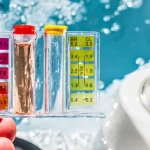
Regular water testing is an essential part of maintaining optimal water quality in your aquarium or pond. Water testing allows you to monitor the key indicators of water quality, such as pH, temperature, and hardness, and make adjustments as needed to ensure that the water remains within the ideal range for your fish.
There are several types of water testing kits available, including chemical test kits and electronic test meters. It’s important to choose the right type of kit for your aquarium or pond, based on the size and type of fish that you are keeping.
Bytesting the water regularly, you can identify any changes in water quality and take action to address any issues before they become more serious. This can help to promote the overall health of your fish and keep them in top condition.
The Benefits of a Quarantine Tank for New Fish
A quarantine tank is a special tank where you house new fish before they are added to the main tank or pond. The quarantine tanks are an isolated space where any new fish can be screened and treated for disease before they get moved to the main tank.
There is one thing in particular that quarantine tanks are perfect for, and this is to make sure that your fish are not exposed to any disease. Keep new fish in quarantine tanks, and any illness will never spread to your current fish. There’s also quarantine tanks that can be used to help acclimate new fish to their new world. This can be a way to minimize stress and keep the fish healthy.
The Importance of Proper Lighting in Maintaining Water Quality
The lighting is also a key component to the water quality in your aquarium or pond. It also illuminates plants that live and, if allowed, will keep the water nutrient balanced and discourage the growth of pathogenic algae.
Lighting can also help your fish be healthy as well. Fish need certain lights to survive, and if these aren’t fulfilled, the stress and illness follows.
Choose your lighting for your aquarium or pond properly, depending on the size and species of the fish you are keeping. This could mean using a combination of sunlight and light sources (eg, LED or fluorescent lights). If you keep your water in the right state of light, it will be much easier for your fish to stay healthy.
This ensures your fish is healthy and happy. If you pay attention to the most important signs of water quality, change the water regularly, filter the water, and introduce live plants to your tank or pond, you can promote overall health and keep your fish healthy and happy for many years to come.
Share this on social media:
Facebook
Twitter
LinkedIn

Related Posts