Relationship Between Water Quality and Water-Wastewater Cycle
- Published:
- Updated: December 16, 2024
Listen to this article
Summary
The water-wastewater cycle is a critical process influenced by water quality, impacting its safety and environmental suitability. Understanding factors like natural elements, human activities, and infrastructure is essential for maintaining water quality throughout the cycle.
- Water quality parameters include pH, temperature, TDS, and pathogen presence.
- Sources like surface water, groundwater, and municipal supplies vary in quality due to environmental and human influences.
- Measures like source water protection, treatment, and wastewater treatment ensure water quality standards are met.

This cycle – water-wastewater – is defined as the flowing of water from one source to another, its treatment and reuse, and finally the discharge of residuals back into the environment. Water quality is one aspect of this cycle, since it influences whether water is safe and appropriate for use and, in the end, how the environment is.
What is Water Quality?
Quality of water is the physical, chemical and biological characteristics of water that indicate whether it is suitable for use. Water quality can vary by its source, treatment and supply and be natural as well as human-induced.
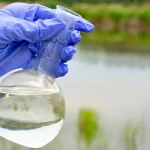
pH, temperature, TDS, turbidity, pathogens, chemicals, etc are some of the main metrics for water quality monitoring.
Sources of Water in the Water-Wastewater Cycle

Water in the water-wastewater cycle can be drawn from surface (rivers and lakes), ground (aquifers), and municipal waters. Water from these sources may be of very different quality depending on place, season and weather.
Runoff from farms, cities and factories can affect surface water as well as from discharge from wastewater treatment plants. Contamination in groundwater sources comes from septic tanks, landfills and leaky storage tanks.
Urban water supplies are treated to at least minimal quality, but may still be subject to other elements such as ageing infrastructure, source water quality changes and demand.
Factors Influencing Water Quality in the Water-Wastewater Cycle
The quality of water in the water-wastewater cycle can be influenced by a variety of factors, including:
- Natural factors such as weather patterns, geology, and the presence of minerals in the water.
- Human activities such as land use practices, industrial processes, and the discharge of wastewater.
- Infrastructure factors such as aging pipes, treatment facilities, and storage reservoirs.
- Changes in water usage patterns, such as increased demand during dry periods or increased use of water for irrigation.
Impact of Water Quality on Public Health and the Environment
The quality of water in the water-wastewater cycle has a significant impact on public health and the environment. Poor water quality can lead to the spread of waterborne diseases, while high levels of contaminants in water can have adverse impacts on aquatic life and wildlife.
In addition, the discharge of poorly treated wastewater into the environment can contribute to water pollution and impact the quality of surface water and groundwater. This can harm the ecosystem and reduce the availability of water for various uses.
Measures to Ensure Water Quality in the Water-Wastewater Cycle
To ensure that water quality meets the standards required for various uses, a variety of measures are taken at various points in the water-wastewater cycle. These measures include:
Source water protection, which involves managing and protecting water sources from contamination.
- Water treatment, which involves removing impurities from water to make it safe for human consumption and other uses.
- Distribution and storage, which involves maintaining water quality through the distribution system and in storage reservoirs.
- Wastewater treatment, which involves removing impurities from wastewater to make it safe for discharge back to the environment.
What is the Importance of Monitoring Water Quality in the Water-Wastewater Cycle?
Water quality should be tracked and remedied as necessary to keep it within the water-wastewater cycle. That includes regularly testing water throughout the cycle to look for any fluctuations in water quality, and inspection of treatment plants and infrastructure to make sure that they are in operation.
Aside from that, public education is necessary about the quality of water and how it can be safeguarded and decontaminated. This might be best management practices of land use and wastewater management, or the adoption of water-saving technologies and methods.
The Importance of Proper Water Management Practices
Good water management is the foundation for water quality within the water-wastewater chain. They include water-management and protection, water treatment and distribution, and treatment and discharge of wastewater in safe and environmentally sound ways.
Efforts in water management can also be made to mitigate water loss and optimize the water-wastewater cycle. That means encouraging water conservation technologies and practices, including low-flow toilets and showerheads, and water conservation practices, like rainwater harvesting and graywater reuse.
The Role of Treatment Technologies in Water Quality
The water quality in the water-wastewater system relies on treatment technologies. They’re employed to purify water so that it’s safe for humans and other applications. Here are some of the most popular water treatment technologies:
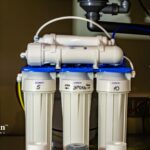
The technologies of filtration separate particles from water using a physical barrier, like a filter paper. That can be technologies like sand filters, activated carbon filters, reverse osmosis.
Gravity separates particles from water in sedimentation systems. This can be clarification technologies or sedimentation basins.
Chlorination: chlorinating water to kill bacteria and viruses. It’s a standard disinfection process in municipal water treatment plants.
The ultraviolet disinfection kills bacteria in water using UV rays. The technology is becoming more popular since it does not use any chemicals like chlorination.
What are the Impacts of Climate Change on Water Quality?
Water quality across the water-wastewater system is affected by climate change. Weather fluctuations and more frequent severe weather conditions like droughts and floods are altering the quality and availability of water. This includes runoff from high precipitation that increases contaminants in surface water, and droughts that reduce water quality by decreasing water available for treatment and reducing pollutants in wastewater.
Also changing the pattern of how pathogens and other pollutants are distributed in water, rising temperatures are changing water quality by increasing the amount of evaporation, which leads to higher concentrations of contaminants in water.
The Importance of Sustainable Water Management
Water management is key to water quality and availability in the water-wastewater system. Such practices also include those that balance human and environmental health with water resources conservation and protection.
Water conservation, like rainwater collection and greywater reuse, as well as best management practices for land and wastewater can all be beneficial forms of water management. Sustainability includes non-toxic treatment technology like low energy treatment and biological systems like man-made wetlands to treat wastewater.
We need to manage water well for the long term sustainability of water resources and the water-wastewater cycle.
Share this on social media:
Facebook
Twitter
LinkedIn

Related Posts