An Overview of Water Classification
Water classification is based on its source and treatment methods. Tap water, provided by public utilities, undergoes treatment to ensure safety. Purified water, obtained through advanced filtration, eliminates most contaminants. Spring water, like Poland Spring, naturally flows from underground sources.
Mineral water, such as Evian, contains high levels of calcium, magnesium, and other minerals. These minerals may offer health benefits. Each type of water meets specific standards, providing clarity on its origin and composition.
The choice of water type depends on its composition, personal taste, and intended use. Some prefer mineral water for its health benefits, while others opt for purified water for its neutral taste. Each category has distinct characteristics that affect everything from flavor to convenience.
Key Distinctions in Origins and Sources
Water quality starts with its source. The underground environment shapes taste, clarity, and mineral content before we even take a sip.
Natural Springs vs. Mineral-Rich Sources
Spring water emerges naturally from underground aquifers. It’s known for its crisp taste and moderate mineral levels. On the other hand, mineral water comes from areas with high dissolved solids. It offers a unique taste and more nutrients.
Geologic Impact on Water Composition
Water picks up minerals as it passes through limestone or igneous rock. This process enriches it with calcium and magnesium. Some people choose mineral water for its consistent mineral content, thanks to the geology of their area.
Regulatory Definitions
Authorities categorize water sources based on purity, mineral content, and how it’s extracted. Labels must accurately show what’s in the water. This helps consumers find the taste and nutrients they want. Some prefer mineral water for its health benefits, while others enjoy spring water for its refreshing quality.
Understanding the Mineral Content
Many consumers look for water composition in the best drinking water. Each source has unique levels of key elements. These elements affect taste and wellness. Mineral water often has more calcium and potassium, while spring water’s content varies based on natural conditions.
Calcium, magnesium, potassium, and sodium influence flavor and health benefits. Their levels affect how water tastes and supports hydration. Some prefer water with robust mineral profiles, while others like it milder.
Calcium, Magnesium, and Trace Elements
Calcium is essential for strong bones and nerve function. Magnesium aids in energy production and blood sugar balance. Potassium and sodium regulate fluids and support muscle function. Mineral content differences affect hydration strategies.
Health Implications of Mineral Content
Balanced minerals replenish lost electrolytes from daily activities. Higher calcium supports bone strength, and magnesium aids muscle recovery. Reading labels helps match mineral needs, whether for extra minerals or a softer taste.
Mineral | Role in the Body | Possible Benefit |
Calcium | Bone Density | Stronger Bones |
Magnesium | Energy Regulation | Improved Metabolism |
Potassium | Fluid Balance | Enhanced Muscle Function |
Sodium | Electrolyte Balance | Proper Hydration |
Taste Profile Comparisons
Mineral water often has a distinct flavor due to its high mineral content. Its taste can range from a mild saltiness to a sharp zing. This appeals to those who enjoy a robust taste. On the other hand, spring water has a smoother taste, ideal for those who prefer natural hydration with little aftertaste. Ultimately, personal preference plays a significant role in choosing between the two.
When tasted side by side, the difference in mouthfeel is evident. Mineral water’s bold essence can complement certain teas or meals, while spring water remains light. Many find unique uses for each, from making soups to drinking it straight. For more insights on flavor variations, check out this comparison by a leading Australian producer.
“Subtle mineral notes can elevate a beverage experience,” states the International Bottled Water Association. “Recognizing differences in composition empowers consumers to match water options with their favorite recipes.”
Choosing a well-rounded option can bring significant health benefits to daily routines. Both types support natural hydration, showing that flavor is just one aspect to consider. Whether you prefer a simpler taste or a tangy finish, these waters can be tailored to fit your lifestyle.
Bottling and Processing Methods
Each type of water undergoes specific steps before it reaches consumers. Mineral water is collected directly from its source, with producers aiming to preserve its natural state. Spring water, on the other hand, is filtered to remove impurities, yet its essential qualities are maintained. Scientists analyze the water’s composition to ensure its safety and naturalness.
Filtration Techniques
Manufacturers employ various methods, like microfiltration or carbon filtering, to eliminate sediments and particles. These techniques enhance safety while retaining the water’s fresh essence. Polishing processes then refine the liquid, ensuring minimal impact on its taste.
Bottling Standards
Many brands adhere to strict guidelines set by regulatory agencies for packaging and handling. Some opt for on-site bottling to prevent contamination during transport. Specialized equipment is used to seal and label bottles, meeting quality standards.
Impact on Purity and Flavor
Efforts to maintain purity can subtly alter each brand’s unique attributes. Differences in processing methods may affect flavor or aroma. Ultimately, careful attention to each step ensures the water’s refreshing taste and health benefits are preserved.
Environmental Factors to Consider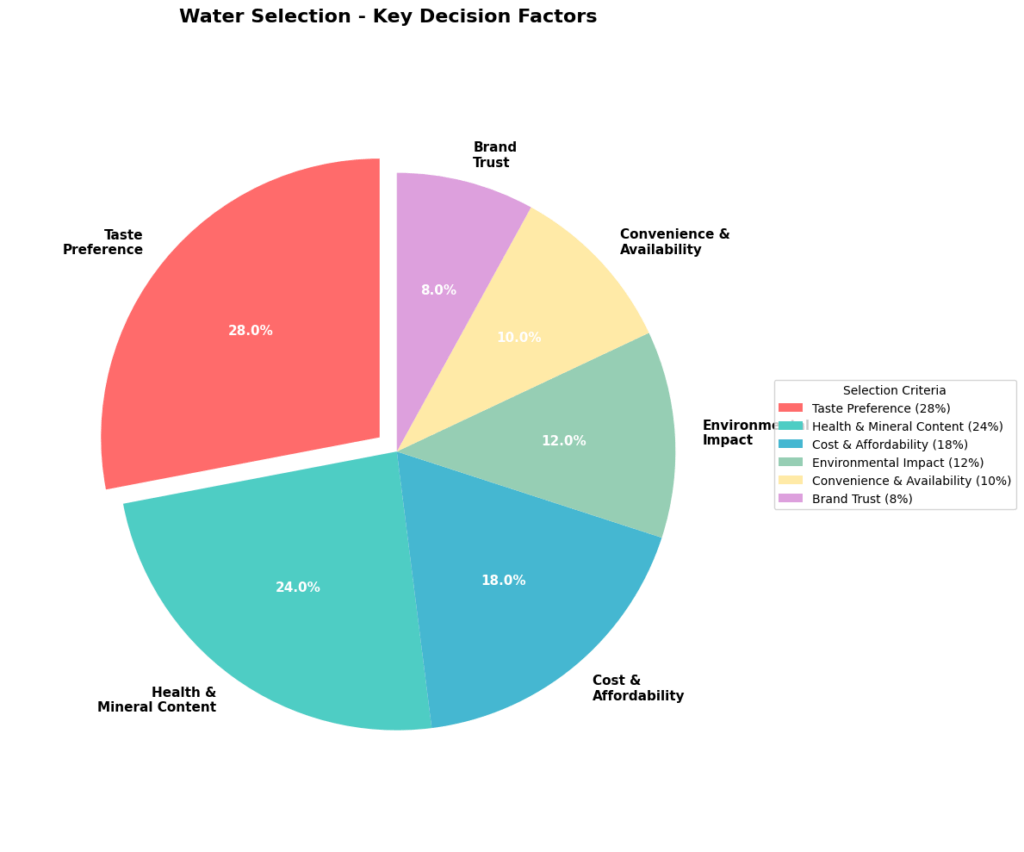
Plastic waste is a major concern. Single-use bottles take centuries to decompose, highlighting the need to address the environmental impact of bottled water. Companies like Evian and Poland Spring are exploring alternatives, such as recycled plastics or plant-based materials.
The distance from the source to the shelf contributes to higher carbon emissions. Long-distance shipments require a lot of fuel. Choosing local alternatives can significantly reduce the environmental footprint of bottled water by minimizing transportation.
- Choosing brands that invest in biodegradable materials
- Participating in bottle return or recycling initiatives
- Opting for local spring water to cut transit emissions
Being mindful of our daily choices can help reduce plastic waste in landfills. Consumers can check labels and product details to see if a brand is committed to reducing waste. This way, we can enjoy fresh water while supporting sustainable practices.
Factor | Key Insight |
Carbon Footprint | Minimize long-distance shipping to cut fuel usage |
Packaging | Seek sustainable or recycled bottles to lower plastic waste |
Availability and Cost Considerations
When browsing store shelves or online catalogs, shoppers discover a range of options. Some prefer Evian or Perrier for their consistent mineral content, which comes at a higher cost. The price of mineral water often reflects the rigorous processing and guaranteed mineral levels. Others opt for local spring water, which can be more affordable.
Brand selection is influenced by market trends and distribution channels. In areas with a strong connection to natural springs, spring water prices remain relatively low. On the other hand, international brands command premium prices in mainstream stores. Consumers compare prices and watch for new arrivals to make informed choices.
Regional Market Variations
Availability in local markets impacts the popularity of different water types. Areas rich in springs offer spring water at lower prices, making it easier for budget-conscious shoppers. In contrast, regions reliant on imports may face higher costs for mineral-rich water. Consumers weigh convenience against cost when deciding on their preferred option.
Mineral Water vs Spring Water in Daily Hydration
Hydration is essential for both physical and mental health. Mineral water and spring water are two popular choices for daily hydration. Mineral water is known for its consistent levels of electrolytes. On the other hand, spring water, filtered through natural terrain, contains unique compounds that refresh the body.
Studies published in the Journal of the International Society of Sports Nutrition found that athletes who consumed water with moderate mineralization experienced a 9% increase in VO₂max. They also showed improved leg muscle power after exercise. This highlights the benefits of mineral water for recovery after intense physical activity. Spring water also contributes to natural hydration with its distinct mineral content.
Hydration for Active Lifestyles
Individuals who engage in high-intensity workouts or extended training sessions seek solutions to enhance performance. A balanced mineral profile can help replenish fluids and support endurance. The quality of water, along with its nutrient content, plays a significant role in recovery from fatigue.
When Quality Matters Most
Health needs vary across different life stages and conditions. In some cases, consistent mineral levels can help address electrolyte depletion. For those seeking a crisp taste and reliable purity, fresh spring sources might be the best choice. A personalized approach ensures that drinking habits align with individual goals and well-being.
Health Claims and Misconceptions
Consumers often encounter bold promises or eye-catching packaging when searching for mineral or spring water. Brands like Evian or Poland Spring may suggest limitless purity. Yet, myths persist that require scrutiny.
It’s essential to read labels carefully and evaluate each claim. The true value lies in the factual details, such as mineral composition and testing history. While spring water might come from a protected source, it doesn’t mean it’s completely free from environmental contaminants.
Labeling Pitfalls and Marketing Hype
Some common misunderstandings include:
- Spring water is always pure: Natural sources can carry contaminants if not regularly tested, so purity is not guaranteed.
- Spring water is always high in vital minerals: Mineral levels vary by region, so checking the label is necessary to know the actual amounts.
- Bottled spring water is safer than tap water: Both are subject to quality standards by the FDA and local governments.
“The best defense is a label that clearly states testing methods, source details, and mineral breakdown,” explained a leading health researcher.
By focusing on these details, we can ensure any health benefits are based on solid facts. This method provides clarity and confidence, helping us choose water that supports our health goals.
Suggestions from Nutrition Experts
Registered dietitians from the Academy of Nutrition and Dietetics recommend carefully examining each label. They look for water composition that matches personal health goals. It’s important to balance hydration with vitamins and minerals from a varied diet for overall well-being.
Experts also stress the need to find the best drinking water that fits an individual’s lifestyle. This includes considering mineral content, source, and taste. They suggest exploring different brands that are authenticated by trusted institutions, such as the National Institutes of Health (NIH), to confirm purity standards.
It’s noted that every person’s needs may vary based on activity level, budget, and medical considerations. Seeking advice from a healthcare provider or registered dietitian can help. They can guide whether natural mineral water or spring water is better suited to dietary needs.
Taste, Texture, and Culinary Applications
Flavor nuances significantly impact the dining experience. A glass of crisp water with subtle minerals can enhance certain aromas when paired with food. This can make creamy dishes richer and light fare more refined.
Pairing with Meals
Some households prefer spring water with fresh salads or mild soups. Others choose mineral water for savory recipes or spicy entrées. The right water can elevate a meal’s character, while a gentler water preserves delicate flavors.
Cooking and Brewing
Chefs use both water types to improve sauces and marinades. A balanced profile ensures flavors don’t overpower the dish. Coffee lovers experiment with soft spring water, while tea enthusiasts enjoy deeper infusions from mineral content. The choice of water is critical for precise flavors.
Water Type | Recommended Uses | Flavor Impact |
Mineral Water | Hearty soups, palate-cleansing beverages | Bold taste notes and subtle carbonation |
Spring Water | Light dishes, tea, coffee | Gentle balance for delicate aromas |
How to Choose the Right Water for You
Choosing the right water involves weighing daily needs against personal taste. Each person must consider four key factors: quantity, quality, reliability, and cost. The daily water intake for an individual can vary from 20 to 50 liters, covering drinking and other uses. It’s important to check labels and research brand reputations to ensure the water meets safety and taste standards.
Some prefer the ease of bottled water, while others trust their local tap supply. Bottled water offers natural hydration with specific mineral content, but it comes at a higher cost. On the other hand, tap water, regulated by the EPA, is more affordable and common. Yet, bottled water, regulated by the FDA, might not undergo the same rigorous testing. It’s essential to verify the accuracy of the label.
Personal Health and Lifestyle Factors
Individual goals, such as seeking the best drinking water for energy or adhering to dietary guidelines, influence the choice. Those with health conditions might find water with calcium or magnesium beneficial. Practical considerations, like packaging and availability, also play a role. Consumers can look into test results, environmental impact, and flavor to find the perfect match.
What to Remember Moving Forward
Water preferences deeply influence our daily lives. Some enjoy the fresh taste of spring water, while others prefer the mineral-rich qualities of brands like Perrier. The choice between mineral water and spring water often hinges on purity, nutritional needs, and quality assurance.
Health-conscious individuals scrutinize labels to align with their dietary goals. Bottles with higher levels of calcium or magnesium can fill nutritional gaps. This leads to a personal quest for the perfect water, balancing taste and texture.
Seeking advice from experts and reliable sources is advisable. For a more detailed understanding, readers can refer to this resource. Budget and availability also influence our choices. Ultimately, understanding our preferences is essential for making informed decisions.