Reasons to Rely on a Private Water Well
A private well can provide a consistent supply of clean water at a lower cost. It’s ideal for rural areas where public services are scarce. Many find the taste superior to treated water from public systems.
It’s essential to prioritize private well water safety. Contaminants like bacteria, viruses, and nitrates can enter through runoff or animal waste. Regular testing is key to detecting these threats and ensuring water quality.
Advantages of Using Well Water
Using a private well can significantly reduce utility bills and minimize chemical additives. It’s a reliable option during public water supply disruptions. For those seeking control over their water source, a well is an excellent choice.
Potential Risks and Contaminants
Groundwater may contain harmful substances like arsenic or heavy metals. The CDC advises annual tests for coliform bacteria, nitrates, total dissolved solids, and pH levels. Ensuring private well water safety involves prompt action if contamination is detected, such as installing filters or using disinfection methods.
Common Contaminant | Possible Source | Health Concerns |
Bacteria | Surface runoff | Gastrointestinal issues |
Nitrates | Fertilizer or animal waste | Risks to infants |
Arsenic | Natural deposits | Long-term toxicity |
Recognizing Signs of Water Quality Issues
Unpleasant odors, discoloration, or unexpected flavors may signal deeper hazards. Health department guidelines suggest these signs often point to underlying problems. Homeowners who detect lingering smells or metallic tastes should stay watchful for bacterial or chemical concerns.
Maintaining awareness is vital for protecting health and avoiding hidden threats. A rotten egg scent, cloudy color, or bitter aftertaste can point to serious contamination. Local health agencies and licensed well contractors offer professional testing to uncover any risks. Vigilant observation protects households before pollutants spread.
- Check for sediment collecting on faucets.
- Notice if unpleasant smells persist or grow stronger.
- Seek testing expertise if any odd coloration reappears.
Guidelines for testing well water help residents stay informed of recommended practices. Early attention to subtle changes decreases the likelihood of serious illnesses caused by well water contamination. This ensures a safer supply for everyone involved.
How to Treat Well Water for Safe Consumption
Different contaminants require unique solutions, addressing both immediate and long-term needs. A one-size-fits-all approach is ineffective when personal health is at stake. Each treatment strategy must align with test results and known risks to ensure every tap is safe.
Determining the Best Treatment Method
Certain systems are designed to tackle specific issues. Filtration can capture sediment and chemicals, while distillation removes impurities at their source. In some cases, disinfection is essential for controlling bacteria that pose a threat to household members. Regular testing well water helps identify new or changing concerns, ensuring the chosen treatment remains effective.
Consulting with Water Treatment Experts
Professionals assess pH, mineral content, and microbial presence before suggesting personalized interventions. Their evaluations guarantee each filter, distiller, or disinfection method operates at peak performance. Collaborating with trained specialists offers a reliable route to protecting the well, preserving health, and ensuring confidence in every glass consumed at home.
Testing Parameters for Detecting Contaminants
Routine checks are essential to ensure a private well’s water is safe for drinking. Tests for bacteria, nitrates, and pH levels are critical. They help determine if shock chlorination treatments are needed. These tests detect harmful organisms like coliform and E. coli, which can be dangerous to health.
Many laboratories provide simple collection kits for these tests. They help residents measure key components and assess risks. This way, they can take necessary steps to maintain their well’s water quality.
Results from these tests serve as a baseline for future comparisons. They guide decisions on maintenance, including shock chlorination if needed. Experts stress the importance of staying updated on water quality changes. Regular testing for harmful substances each year ensures families’ safety. It gives them confidence that their well water remains reliable over time.
- Bacteria Screening – Checks for coliform and E. coli
- Nitrate Analysis – Assesses fertilizer runoff effects
- pH Levels – Evaluates acidity or alkalinity
Understanding pH and Its Impact on Your Well
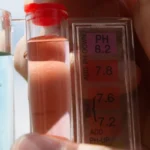
Water with an unbalanced pH can damage fixtures and encourage bacterial activity. Low levels may corrode plumbing, while high readings increase scale buildup. A balanced range ensures smooth operation of critical treatments, including UV disinfection well water methods.
Research shows that disinfection success often declines when pH rises above ideal limits. This shift can reduce the contact time microorganisms need, leading to health concerns. Keeping pH in a suitable range maintains equipment durability and preserves water quality.
Ways to Adjust pH for Balanced Water
Neutralizing filters, soda ash injections, or acid dosing are common ways to bring levels in line. These solutions protect appliances and support the effectiveness of UV disinfection well water processes. Strategies may vary depending on the final goal and the type of contaminants present.
Recommended Testing Intervals
Measuring pH on a regular schedule prevents unwanted fluctuations. Test kits or digital meters offer straightforward readings. Systems serving large households or changing water conditions benefit from frequent checks, while smaller setups may require periodic tests each week or month.
Selecting and Installing a Water Filtration System
Choosing the right filtration method can be daunting, given the variety of contaminants in well water. A detailed analysis of test results is essential to identify the specific contaminants present. This step is critical to ensure that the chosen treatment device is certified for those contaminants. Such certification guarantees the system’s reliability and safety, whether opting for basic sediment filters or more advanced systems.
For many, reverse osmosis for well water emerges as a preferred solution to combat chemical residues and odors. Regular maintenance is key to keep the system running efficiently. This includes timely replacements of cartridges or membranes and an annual inspection to maintain performance. Trustworthy brands like Culligan and NSF-rated devices offer peace of mind by providing reliable results.
Whether you hire a professional plumber or tackle the installation yourself, proper setup is vital. It prevents issues like leaks and pressure drops. Reverse osmosis for well water ensures clean drinking water when installed correctly. Investing in a quality system is a long-term investment for any home.
Using Chlorination for Bacteria Control
Chlorination is a proven method for reducing bacteria in private wells. It involves mixing bleach with water at a specific ratio, then circulating it through the system. This method ensures safer water use and maintains its taste for households.
Shock treatment is essential for controlling pathogens, often leading to better water quality. It eliminates bad odors and boosts confidence in the water supply, critical in areas with frequent issues. Many rely on it to reduce harmful bacteria.
Proper Steps for Shock Chlorination
To achieve complete disinfection, follow a precise process. Start by mixing the recommended bleach ratio with water, then pour it down the well. Next, run faucets until chlorine is evident. Afterward, stop the flow and let the solution sit for 12 to 24 hours. Lastly, flush the lines to ensure safe water.
Public resources provide detailed steps and bleach calculations. Regular application reduces contamination risks and preserves the well’s condition.
When to Seek Professional Assistance
For complex or recurring contamination, licensed well contractors are the best option. If the process seems too complex or if test results show high microbial levels, seeking professional help is advisable. Experts can identify deeper well issues and recommend improvements, including solutions for mineral buildup.
Exploring Ultraviolet Disinfection for Safe Drinking Water
Ultraviolet systems use intense light to damage microorganisms’ DNA, preventing them from reproducing. This method effectively kills bacteria and viruses. Yet, it does not eliminate chemicals or heavy metals. It is a reliable step towards clean water in many homes.
UV technology alone cannot remove toxic substances. It is best used in conjunction with other well water filtration methods. Regular maintenance is critical. Any decrease in lamp intensity weakens its germ-killing ability. Keeping the system in good condition ensures a household’s safety and peace of mind.
UV System Care | Frequency | Reason |
Replace UV Lamp | Every 12 Months | Preserves Disinfection Power |
Clean Sleeve | Twice Yearly | Prevents Deposits and Cloudiness |
Adopting Reverse Osmosis for Advanced Purification
Drinking water quality can leap forward with the adoption of reverse osmosis. This method excels at removing dissolved solids, chemicals, and heavy metals. It acts as a critical defense against contaminants like arsenic or nitrates. Many families view it as a dependable means to achieve water purity.
This advanced water treatment method targets even the tiniest particles. It delivers cleaner water for everyday use and cooking. Its membrane system traps contaminants, leaving water almost pure for consumption.
Essential Maintenance for RO Systems
It’s vital for owners to keep an eye on filter performance to maintain system efficiency. Regular checks ensure each stage operates at peak performance. Filters typically need replacement at set intervals, and membranes might require inspection if flow rates decrease.
- Swap out pre-filters and post-filters as recommended
- Watch for changes in pressure or taste
Assessing Cost and Efficiency
Costs vary based on monthly usage, maintenance expenses, and the system’s lifespan. Some models may have a higher upfront cost but offer long-term benefits. This balance makes reverse osmosis a valuable option for advanced water treatment in many homes.
Monitoring Water Quality After Treatment
Ensuring clean water requires continuous well water testing, even after installing a new filtration system. Experts suggest regular checks after significant upgrades or shock chlorination. This ensures the detection of any remaining bacteria or chemical issues and confirms the effectiveness of each device over time.
Regular sampling can identify early changes in pH, mineral content, or microbial levels. Laboratory tests, following EPA guidelines, uncover hidden changes. This allows for immediate action if contamination reappears. Ongoing well water testing also safeguards homeowners’ investments and prevents unexpected health risks in the future.
Below is a summary of suggested intervals and their primary focus:
Interval | Focus | Reason |
Twice a Year | Bacteria & Nitrates | Identifies Early Health Threats |
Annually | Trace Metals & Minerals | Verifies Filtration Performance |
Identifying Iron and Manganese Issues
Iron and manganese can cause stubborn stains on sinks, laundry, and fixtures. These metals can also introduce metallic flavors into cooking and drinking water. Homeowners often notice reddish or brownish tints in their tap water, prompting them to seek solutions for iron and manganese removal.
Filtration media for these elements varies in complexity and cost. The best option depends on your water quality goals and personal preferences.
Common Filtration Approaches
Specialty media like greensand or catalytic carbon can effectively reduce harmful levels of these minerals. Brands such as Culligan and Pentair offer systems designed to oxidize and trap particles. Regular maintenance ensures a steady supply of clearer, better-tasting water.
Filtration Media | Method | Key Benefit |
Greensand | Oxidizes iron and manganese | Works well for moderate conditions |
Catalytic Carbon | Binds metallic particles | Excellent at improving taste |
Influence on Water Taste and Color
Reducing high concentrations of iron or manganese improves water clarity and flavor. Proper filtration restores a natural taste and prevents discoloration. This enhances confidence in the quality of every sip and protects household fixtures from damage.
Addressing Hardness with Water Softeners
Hard water can lead to soap scum and white spots on faucets, reducing cleaning effectiveness and potentially shortening appliance lifespans. A water softener for well water addresses these issues by removing minerals like calcium and magnesium.
Traditional water softeners use ion-exchange resins, swapping unwanted particles with sodium or potassium. Brands like Culligan and Kinetico offer models tailored to various household needs and budgets. These systems regenerate by rinsing away deposits when resin beads are full, ensuring pipes remain clear.
Regular maintenance is essential for optimal performance and to avoid costly repairs. Key tasks include:
- Consistent checks of salt levels
- Frequent cleaning of brine lines
- Routine technician inspections
Using a water softener for well water can enhance lather, save on plumbing repairs, and keep clothes softer. When these systems function well, residents enjoy a more comfortable living space and longer-lasting appliances.
System Type | Key Benefit | Consideration |
Salt-Based Ion Exchange | Smoother water texture | Requires salt replenishment |
Potassium-Based Softeners | Reduces sodium levels | Higher product cost |
Safeguarding Against Chemical Contaminants
Household wells often contain pesticides, volatile organic compounds, or industrial pollutants. These substances pose serious health risks. It’s essential to choose treatment solutions that effectively remove chemical contaminants. Filters designed for hazardous chemical removal are key to ensuring safer drinking water for families.
Activated Carbon and Other Media
Activated carbon is renowned for its ability to reduce harmful compounds, improving taste. Its pellet and granular forms can capture a broad range of toxins, preventing them from reaching your water supply. Specialized media also target specific pollutants, adding an extra layer of protection.
Checking Labels for Certified Products
Many filtration systems carry NSF/ANSI certification, indicating they meet standards for chemical contaminant removal. Homeowners who examine labels gain insight into recognized standards and verified testing. This ensures confidence in their choice, leading to cleaner water and a healthier home environment.
Proactive Services for Annual Well Inspection
Licensed specialists from groups like the National Ground Water Association (NGWA) start by measuring well depth and checking the pump’s performance. They look for cracks in the casing or compromised seals, which can harm water purity.
Annual well maintenance is a chance to catch minor issues early and maintain consistent water quality. It keeps families informed about groundwater changes, including impacts from industrial practices or seasonal weather. Scheduled visits prevent sudden breakdowns due to failing parts or unnoticed contamination.
These services are essential for annual well maintenance, so costs vary. Factors like equipment age and local labor rates influence the price. Pump tests, seal examinations, and water sampling usually fit within a reasonable budget. Licensed technicians help property owners with the best steps for lasting performance.
Inspection Task | Approximate Cost Range | Key Benefit |
Mechanical Checkup | $100 – $200 | Identifies failing pumps early |
Seal Examination | $50 – $150 | Prevents leaks and contamination |
Water Quality Test | $80 – $200 | Reveals chemical or bacterial risks |
Budgeting for Long-Term Water Treatment Needs
Planning for a private well’s treatment involves more than just initial costs. It requires a long-term view of equipment, maintenance, and future upgrades. A well-thought-out budget can avoid sudden financial shocks. It ensures the well’s care remains stable over time. Some families even save for unexpected expenses to avoid financial strain.
Government initiatives can help reduce the financial load. Grants or low-interest loans are available, often targeting rural areas. These programs work closely with the Environmental Protection Agency (EPA). Local health departments may also offer financial assistance, providing additional relief.
Balancing Quality and Cost
Homeowners strive to balance their budget with the need for safe water. Keeping track of recurring costs is essential. This helps compare them to household savings. By analyzing these expenses, homeowners can make informed decisions that prioritize safety without breaking the bank.
- Invest in filtration systems that match contaminant levels
- Keep routine test schedules for early detection of issues
Insurance and Financial Assistance Options
Some insurance plans cover major repairs or system replacements. Nonprofit organizations also support long-term well water solutions. These resources help alleviate financial burdens, encouraging regular maintenance.
Expense | Frequency | Estimated Cost | Possible Support |
Chlorination or UV Treatment | As Needed | $100 – $500 | Insurance Claims |
Filter Cartridge Replacements | 6 – 12 Months | $40 – $150 | Personal Budget |
Major Upgrades | Every 5-10 Years | $1,000+ | State and Federal Grants |
Ensuring a Reliable Source of Clean Water for Years to Come
Maintaining a private well requires constant vigilance and strategic planning. Regular water tests, timely updates to filtration systems, and careful budgeting are essential. These steps enhance water safety and property value.
Adopting sustainable well water management and advanced treatment methods ensures a steady supply of safe drinking water. Catching early signs of contamination through regular checkups can prevent costly repairs. Setting aside funds for annual inspections offers peace of mind and avoids unexpected expenses.
Consistent well care emphasizes the importance of well maintenance in safeguarding household health and property value. Staying updated with new technologies, seeking professional advice, and making informed repairs are critical. Reliable water quality fosters a healthier living environment for years ahead.
FAQ
Why is regular treatment necessary for private well water?
In many rural areas, well water is the main source of drinking water. Regular treatment keeps it safe from harmful germs, heavy metals, and disinfection byproducts. The Centers for Disease Control and Prevention (CDC) and EPA guidelines recommend routine testing and disinfection. This ensures the elimination of microbial threats and chemical contaminants.
What are the advantages of using a private water well instead of municipal water?
Private wells can be more cost-effective over time. They provide a reliable supply of groundwater independent of local water utilities. Homeowners have control over water quality and maintenance, allowing for tailor-made treatment solutions. Yet, regular inspections and testing are vital to prevent contaminants like nitrates, pathogens, and chemical runoff.
Which signs might indicate water contamination?
Homeowners may notice strange odors, discolored water, or unpleasant tastes. These signs could indicate contamination. Identifying these early and scheduling professional tests helps prevent health hazards.
How should homeowners determine the best well water treatment method?
Experts analyze water quality parameters to diagnose specific contaminants. They then suggest a suitable approach. Filtration for sediment, chlorination for bacteria, and other specialized methods are chosen to match the well’s unique conditions. This ensures effective and targeted disinfection.
What tests are most commonly used to detect contaminants?
Standard evaluations check for coliform bacteria, E. coli, nitrates, pH levels, and other chemical indicators. These tests follow guidelines from organizations like the Environmental Protection Agency (EPA) and the National Ground Water Association (NGWA). They confirm whether shock chlorination, filtration, or other treatments are needed.
Why is pH balance important for well water?
Proper pH levels enhance the effectiveness of disinfection methods like ultraviolet germicidal irradiation. If the pH is too low or too high, treatment efficiency and appliance safety can be compromised. Homeowners can use neutralizing filters or chemical adjustments to stabilize pH. Periodic testing confirms optimal water quality.
How can a homeowner select and install the right filtration system?
Different filters target different contaminants. Sediment filters remove large particles, activated carbon systems eliminate chemicals and odors, and reverse osmosis units focus on advanced purification. Matching test results to the correct filter technology ensures the system tackles identified pollutants. Professional installation is often recommended for best results.
What are the proper steps for shock chlorination and when should professionals be contacted?
Shock chlorination involves pouring a precise bleach solution into the well, recirculating it through household plumbing, then letting the system rest for 12–24 hours. If contamination levels are severe or the process appears too complex, a licensed well contractor can handle the chlorination. They ensure compliance with local regulations.
Does ultraviolet (UV) disinfection replace other treatment methods?
UV disinfection excels at inactivating bacteria, viruses, and other pathogens by using ultraviolet light to disrupt their DNA. It does not remove chemicals or heavy metals. That is why UV solutions are often paired with filtration or other methods for a complete multi-stage water treatment plan.
What special precautions come with reverse osmosis (RO) systems?
RO systems filter out extremely fine particles, including arsenic and nitrates, resulting in nearly pure water. Maintaining the membrane is critical, as clogged or worn components can reduce efficiency. Homeowners should weigh the initial investment and routine filter replacements against improved water purity when deciding on an RO unit.
Why is it important to keep monitoring water quality after installing treatment solutions?
Even with thorough purification measures, water quality can shift due to changing hydrological conditions or unexpected contamination. Regular tests confirm the chosen method continues to perform effectively. This allows prompt action if pollutants resurface.
How can iron and manganese cause issues in well water?
Excess iron or manganese can stain fixtures, create metallic tastes, and produce rust-colored water. Specialized filtration media like greensand or catalytic carbon help remove these minerals. Regular assessments and adjusting treatment settings prevent recurring discoloration or unpleasant odors.
What do homeowners gain by addressing water hardness?
Water softeners reduce scale buildup in pipes and appliances by removing calcium and magnesium through ion exchange or salt-based systems. Reduced scale prolongs appliance lifespan, increases soap effectiveness, and improves overall water feel. Routine checks and brine tank cleaning are necessary.
Which steps help safeguard against chemical pollutants in a well?
Activated carbon filters effectively trap pesticides, volatile organic compounds, and other hazardous chemicals. Models that meet NSF/ANSI certification are tested to remove specified contaminants efficiently. This verification helps homeowners select trusted products that align with their water quality goals.
Why is an annual well inspection recommended?
Regular assessments can detect damage to well casing, pump wear, or openings where contaminants might enter. Scheduling yearly maintenance not only reduces the risk of sudden equipment failure but also upholds water quality. It catches problems early and minimizes repair costs.
What are ways to manage the long-term expenses of water treatment?
Though initial outlays for filters, disinfection systems, and tests can be significant, some homeowners qualify for grants or insurance coverage. Planning for routine maintenance, repairs, and equipment upgrades ensures a steady supply of clean, safe water without unexpected expenses.
How do homeowners maintain a consistent, reliable source of clean water?
They commit to periodic testing, targeted treatment options guided by professional analysis, and proactive financial planning. Over time, consistent care and modern water treatment technologies help maintain water safety. They preserve property value and support sustainable well use.