The Detrimental Effects of Water Pollution on Coastal Ecosystems
- Published:
- Updated: December 16, 2024
Listen to this article
Summary
Water pollution poses significant threats to coastal ecosystems, affecting biodiversity, food webs, and human health. Sources include agricultural runoff, sewage discharge, industrial activities, and land-based pollution. To mitigate these impacts, best management practices in agriculture, improved sewage treatment, regulation of industrial discharge, and sustainable land-use practices are essential. Government regulations, community involvement, and industry cooperation are crucial for effective protection. Continued efforts in research, education, and conservation are necessary to safeguard the future of coastal ecosystems against water pollution.
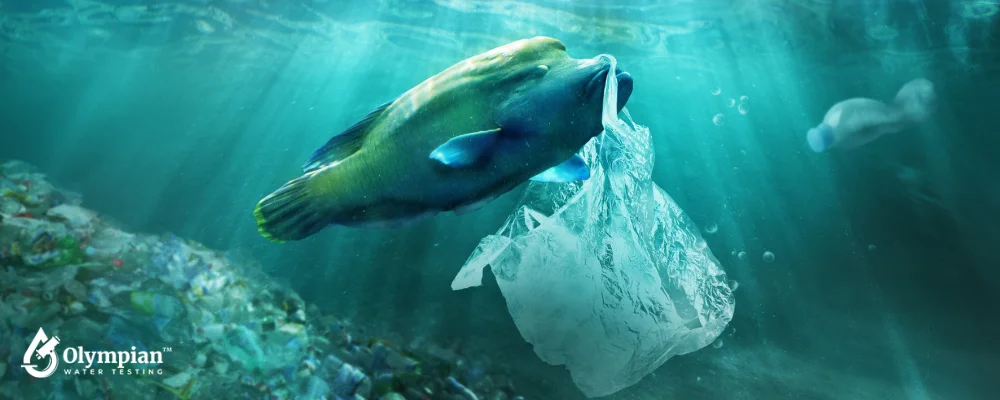
Water pollution is a long-term and serious issue that affects coastal habitats and their species. Oil spills and nutrient run-off, plastic and chemicals – water contamination can leave the health of coastal ecosystems far too short. Such impacts can be anything from damage to individual species and habitats, to the destruction of whole ecosystems, with severe impacts on the natural world and human societies.
What is Water Pollution?
Water pollution is a very serious environmental problem that arises from the introduction of toxic elements or contaminants into the water bodies (rivers, lakes, oceans and groundwater). This can be anything from chemicals, heavy metals, sediment, pathogens, and more. Water contamination may be a byproduct of agricultural run-off, sewage and wastewater discharge, industrial discharge and from land-based release of pollutants into the environment.
The Impacts of Water Pollution on Coastal Ecosystems

Coastal habitats can be damaged by water pollution, which skews their fragile ecology and harms the plants, animals and microbes that rely on them. Some of the most pronounced effects of water pollution on coastal environments are:
Substances poisoning and destroying aquatic life: Water pollution can be toxic to many species of aquatic animals like fish, birds, and other wild creatures. This can significantly influence coastal ecosystem health and productivity.
Conservation of biodiversity: Water pollution diminishes the productivity and biodiversity of coastal habitats, and subsequently the populations and types of species that depend on them. And this can impact on the health and stability of these habitats in a domino effect.
Water pollution alters food webs: Water pollution can shift the food web and the ecological processes in coastal habitats resulting in cumulative impacts to their health and wellbeing.
: Polluting food supplies: Water contamination can contaminate seafood and other food for people and wildlife that can be fatal to people who eat it.
Reduced recreational and economic function: Water contamination reduces the recreational and economic function of coastal habitats with devastating effects on communities and economies.
The Causes of Water Pollution in Coastal Ecosystems
Shoreline water pollution comes from various sources and has many consequences for the integrity and functioning of the coastlines. Agricultural runoff – the offspring of farming and livestock – discharges nitrogen, phosphorus, pesticides and other toxic chemicals into rivers and streams. In addition to sewage and wastewater discharge from residential and commercial sources, nitrogen, phosphorus, noxious chemicals and pathogens enter coastal water by way of egress from communities and factories.
Explorations and petroleum, for example, release pollutants such as noxious chemicals and heavy metals into coastal waters that further damage ecosystems. Third, terrestrial processes such as clearing forests and urbanisation spill sediment, nutrients and pollutants from runoff into coastal waters. These bundled polluters are terrible for coastal ecosystem health and survival.
What Can Be Done to Reduce Water Pollution in Coastal Ecosystems?
There are a range of actions that can be taken to reduce water pollution in coastal ecosystems, including:
- Implement best management practices in agriculture: Best management practices in agriculture, such as reducing the use of fertilizers and pesticides, can help to reduce agricultural runoff and its impacts on coastal habitats. This can help to protect the health and well-being of coastal ecosystems.
- Invest in sewage and wastewater treatment facilities: Investing in sewage and wastewater treatment facilities can help to reduce the discharge of pollutants into coastal waters, reducing the impacts of water pollution on coastal ecosystems.
- Regulate industrial discharge: Regulating industrial discharge can help to prevent the release of pollutants into coastal waters, reducing the impacts of water pollution on coastal ecosystems.
- Implement land-use practices: Implementing land-use practices that reduce the impacts of land-based activities on coastal habitats, such as reducing runoff from urban areas and preserving coastal wetlands and other habitats, can help to reduce water pollution in coastal ecosystems.
- Increase public awareness and education: Increasing public awareness and education about the impacts of water pollution on coastal ecosystems, and the importance of protecting these habitats, can help to promote conservation and protection efforts.
The Role of Government in Protecting Coastal Ecosystems from Water Pollution
Governments also need to ensure that coastal ecosystems aren’t contaminated by water. That might include regulations and laws limiting pollution discharge to seawater, and funding research and conservation projects. They could also collaborate with other actors such as industry, communities and non-profits on best practices for water quality and coastal ecosystem protection. Across governments, we can ensure the health and sustainability of coastal ecosystems.
The Importance of Community Involvement in Protecting Coastal Ecosystems
Water contamination can only be managed by local action. Localities can inform the public about water pollution impacts on coastal habitats and advocate for conservation and protection. That can mean volunteering to clean up, urging better sewage and wastewater treatment plants, or pushing policies that mitigate water contamination of coastal habitats. By cooperating, communities can support coastal ecosystems to remain healthy and productive.
The Role of Industry in Protecting Coastal Ecosystems
And industry protects coastal ecosystems from water pollution too. They might include applying best management practices to avoid dumping pollutants into coastal waters, financing sewage treatment plants, and funding research and conservation. In collaboration with government and communities, industry can mitigate water pollution and save coastal ecosystems.
The Future of Coastal Ecosystems and Water Pollution
We can’t stop coastal ecosystems from being the future unless we work to mitigate water pollution and save those ecosystems. The water that we clean up and put in place for conservation and protection now will help to ensure that coastal ecosystems continue to be healthy and productive into the future. That means continuing water-quality research and monitoring, continued investment in wastewater treatment plants, and continuing public education and awareness programs. Together, we can help coastal ecosystems survive and thrive in the future.
Share this on social media:
Facebook
Twitter
LinkedIn