Strategies for Removing Iron from Your Drinking Water
- Published:
- Updated: December 30, 2024
Listen to this article
Summary
Iron contamination in drinking water poses health risks and damages plumbing systems. Key points include:
- Health and Home Impact: Excessive iron consumption harms health and damages plumbing, leading to costly repairs and frustrating household tasks.
- Identification and Types of Iron: Recognizing iron contamination and understanding its types (ferrous, ferric, organic, bacterial) are crucial for effective removal.
- Removal Methods:
- Traditional: Sedimentation, filtration, and chemical treatments are effective but vary in complexity and cost.
- Modern: Innovations like reverse osmosis, electronic water conditioners, and specialized iron filters offer efficient removal.

Iron contamination in drinking water isn’t just a bother, it can be extremely unhealthy and even the cause of home renovations. Whether it’s rusty skin, metallic odour, or clogged pipes, iron doesn’t want its way. The good news is that iron can be cleaned out of your water supply using many old-school and new-school techniques.
The Iron Problem: Why It Matters
The iron problem with water is a two-fold one, and one that concerns both home and health. The human body needs small quantities of iron, but over-consuming it will cause disease such as hemochromatosis. In children, excessive iron can be neurotoxic and even fatal.
Besides health, iron in your water supply can make your clothes dingy, your plates dirty, and eventually rust your plumbing. Such harms can be expensive and tedious to even tackle around the house. How much more expense and time consuming it would be to replace your plumbing or to keep buying rust degreasers and detergents?
Recognizing Iron Contamination

The diagnosis of iron contamination is not hard. Water that’s been contaminated with iron looks cloudy or orange-rusty. You also have stains on your sinks, tubs and laundry which is all an indication of iron in your water.
But not all iron contamination is visible or palatable. There, professional water testing is a must. It will confirm if there is iron in the space, but it will also indicate what iron it is, and how much of it there is, so that this will help inform your removal plan.
Types of Iron in Water and Their Unique Challenges
Iron also exists in various forms, each of which has particular problems for removal. Ferrous iron is insoluble and imperceptible in water, and this is what sucks. It usually looks like rust deposits when water is air-exposed or heated.
Ferric iron, meanwhile, is rusty, and can usually be filtered out. Organic iron bonds to organic materials and needs to be treated, whereas bacterial iron is populated by organisms that form a biofilm on the surface. Figuring out what iron there is in your water is important for the best treatment options.
Traditional Methods of Iron Removal
Anti-Iron Removal Techniques is time tested but also may not be as effective. : sedimentation is the natural reaction of letting iron dust settle on the bottom of a bottle, and then siphoning out the crystal clear water. But this is usually not practical for large volumes.
Screen filters are used for filtering or activated carbon filters are used for filtration. Chemical treatment is often performed by using oxidants such as chlorine or potassium permanganate to break up the soluble ferrous iron into insoluble ferric iron which is easily filtered out. Make sure to keep in mind that chemical treatments can add other elements to your water and should always be tested thoroughly.
Modern Innovations in Iron Removal
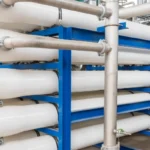
And it is thanks to the development of modern technology that you can use iron removal methods that are more convenient and effective. Reverse osmosis, for example, removes up to 99 percent of iron and other impurities, so there is plenty of purification. But it is also very costly and a waste of money for little iron problems.
Electronic water conditioners, are an a non-chemical product that changes the shape of iron in the water so it’s easier to filter out. They’re generally the best ones for ferrous or soluble iron. And then there are the iron filters that are made for the highest iron levels. They are typically expensive but provide targeted iron removal.
DIY Solutions: When Professional Help Isn’t an Option
Sometimes, professional solutions are either unavailable or too costly. Boiling water can effectively remove ferrous iron but is impractical for large quantities. Homemade filters using layers of sand, gravel, and activated charcoal can offer a budget-friendly alternative but require frequent maintenance.
- Ingredients Needed for a Homemade Filter
- Gravel
- Coarse Sand
- Activated Charcoal
- Step-by-step Guide
- Layer the gravel, followed by the sand, and then the activated charcoal.
- Pass the water through the filter.
- Safety Measures
- Always boil the filtered water to ensure that it’s free from microbial contamination.
- Replace the activated charcoal regularly.
Choosing the Right Method for You
Consider not only upfront cost but also maintenance costs when selecting an iron removal method. Others are easy to get away with, such as sedimentation or boiling, but take a lot of time and don’t work well for large families.
On the other hand, products such as reverse osmosis systems cost some significant upfront money but are durable and effective. What iron you have will also be a big factor in which treatment is best, so it’s best to get your water tested thoroughly.
Case Studies: Success Stories of Iron Removal
In case studies, you can find a number of examples that show that iron removal works. Family units at home have already used iron filters to recover water; industrial units, in turn, have used sophisticated reverse osmosis systems.
And public-sector initiatives have been effective too. Large-scale filtration projects in towns plagued by iron contamination have upgraded all the residents’ water. These are real life situations that highlight you need to choose the solution that suits you and how you can get rid of iron without it.
Share this on social media:
Facebook
Twitter
LinkedIn

Related Posts