A Comprehensive Guide to Lead Testing in New York Schools' Drinking Water
- Published:
- Updated: January 2, 2025
Listen to this article
Summary
Ensuring lead-free drinking water in schools is crucial for children’s health. Here’s a comprehensive guide to lead testing in New York schools’ drinking water:
Federal and State Regulations:
- The EPA provides guidelines for lead testing in schools, while New York State mandates testing every five years.
- Regulations aim to mitigate lead exposure risks and ensure safe drinking water for students.
Lead Testing Process:
- Samples are taken from water outlets used for drinking and cooking.
- Laboratory analysis determines lead levels, guiding necessary actions.

Tests of lead in the drinking water of schools is a crisis with implications that stretch far into our children’s health. Lead is a toxic metal that’s deadly to human health even at very low doses, and children are most at risk. Drinking water that has lead in it can be from lead-corroded old pipes or fixtures, and it’s a silent killer.
The ingesting of lead causes many different diseases in children, such as impaired memory, attention and retarded growth. Thus it is necessary to provide the regularly test drinking water in schools services so that the water can not lead contaminate and should not be drinkable by our children.
Federal and State Regulations on Lead in School Drinking Water
Federal and state drinking water regulations regulate lead in schools. In the Federal government, the U.S. Environmental Protection Agency (EPA) has recommendations for l testing water for lead in schools. But remember that these are not legally binding rules, they’re suggestions states can adopt or amend.
New York State has laws in place to protect the drinking water in schools. Under state law, public schools are required to test their water for lead at least every five years and, if that’s high, schools have to act immediately to get the water into students’ drinking fountains.
The Lead Testing Process

The lead test for school water is very precise, and the testing is done so that it can give accurate and solid results. Generally it means drawing a sample of water from every faucet with running water to drink or boil. This includes fountains, sinks and any other taps that could be used for drinking.
Those water samples are sent off to a lab for analysis. There is special equipment and testing procedures at the lab to determine the concentration of lead in each specimen. Depending on the results of these tests, you’ll know if the water can be used or if you need to fix it.
Interpreting Lead Testing Results
Now that the water samples have been analyzed, the next stage is to read the results. For example, in New York, if a water supply outlet tests above or at the state action level of 15 parts per billion (ppb) for lead, the school must intervene.
Keep in mind that this action level is intended to safeguard human health, but no amount of lead exposure is considered safe. If a test value is returned higher than the action level, then something needs to be done immediately to correct it and limit exposure.
Addressing High Lead Levels in School Drinking Water
If school water test positive for elevated lead, there are a few things that need to be done. The first thing is for the school to immediately cease using the contaminated outlets to drink or cook. The bottle water should be offered for as long as a permanent remedy is available.
Then the school must find out where the lead came from. It might include plumbing and fixtures checking and might need professional help. Once it has been found, there must be some attempt to correct the issue, whether it’s a replacement of pipes or fixtures, or certified filters on the affected outlets.
What are some preventive measures that can be taken to reduce lead exposure?
There are several preventive measures schools can take to minimize the risk of lead exposure from drinking water:
- Regular testing: Regularly testing water outlets can help identify problems before they become serious.
- Plumbing maintenance: Regularly inspecting and maintaining plumbing systems can help prevent lead from leaching into the water.
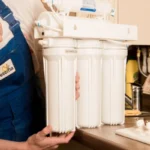
- Use of certified filters: Installing certified filters on water outlets can effectively reduce lead levels.
By implementing these measures, schools can help ensure that their drinking water remains safe for students and staff. It’s worth noting that preventive measures not only protect health but can also save resources in the long run, as addressing a lead issue can be a costly and complex process.
Role of Parents, Teachers, and Administrators
All parents, teachers, and administrators help make drinking water safe at schools. They can push for regular lead testing and prevention. They can also spread the word about the problem to other parents and in the community at large.
Particularly administrators are in a position to make sure that the school is compliant with all the regulations and that issues are addressed quickly. We can help by teaching water safety to students and teach this at home by parents as well as hold schools responsible for clean drinking water.
Resources for More Information and Assistance
For anyone who is interested in more details on lead testing in schools, there are some sources. New York State Department of Health gives you guidance and resources on lead in school drinking water. Even the U.S. EPA has a lot of resources available online, from rules for schools and daycare centers.
There are also advocacy organizations to support you. The Healthy Schools Network and the Environmental Advocacy Group are some of those, whose mission is to create healthy and safe schools for kids.
Share this on social media:
Facebook
Twitter
LinkedIn

Related Posts