Understanding Turkish Drinking Water Regulations
Official guidelines emphasize rigorous testing to control bacteria, metals, and contaminants. This dedication to water quality standards is vital for public health, spanning both modern and historic areas. Municipal systems oversee distribution, but older infrastructure poses maintenance hurdles. Some areas invest in pipeline upgrades to minimize leaks and ensure water safety from source to tap.
What Defines Safe Drinking Water?
Safe drinking water is defined by the World Health Organization and the CDC. They monitor microbial levels, chemical residues, and physical clarity. This ensures consistent health protection.
Key Authorities Overseeing Water Quality
In Istanbul, ISKI conducts regular analyses to meet Turkish health standards. They share updates on local water supplies, boosting public trust. While methods may differ, the goal is the same: protect communities through strict testing and adherence to recognized standards. Residents are encouraged to stay informed about ongoing improvements.
Common Methods to Ensure Water Safety
In Turkey, travelers look for ways to ensure their drinking water is safe. Various methods cater to different comfort levels.
Direct Tap Usage
Many locals trust the water treatment processes and run the faucet openly. Visitors, on the other hand, might prefer tap filtration systems for extra reassurance. The interest in water purification Turkey efforts is growing, yet personal preferences remain key.
Boiling and Filtration Methods
For short stays, boiled water safety is a straightforward approach. Boiling tap water for two minutes can kill bacteria. Some opt for portable filters, but using a kettle with tap filtration is more effective. In areas with old plumbing, boiled water safety is essential. Purification tablets are also a good option, helping those with sensitive stomachs in water purification Turkey.
Is tap water in turkey safe for foreign visitors?
Tourists often question the safety of local tap water. Official guidelines from the T.C. Ministry of Health suggest it’s generally safe. Yet, experiences can differ significantly based on location. This leads to concerns about tourist water safety and how to minimize health risks.
Stomach sensitivities can occur when water systems are unfamiliar. Many locals drink tap water without issue. Others opt for filtered or bottled water as a precautionary measure. This practice is common, even among long-term residents, due to varying water quality.
Observing how locals drink water in Turkey can provide insight. It shows how people adapt to different water sources across the country. This adaptation is key to understanding drinking norms in Turkey.
Simple measures like boiling or using a water filter can alleviate concerns about contaminants. For those with sensitive stomachs, seeking professional advice is wise before consuming unfamiliar water. The goal is to find a method that aligns with personal comfort and health needs.
Regional Differences Across Turkey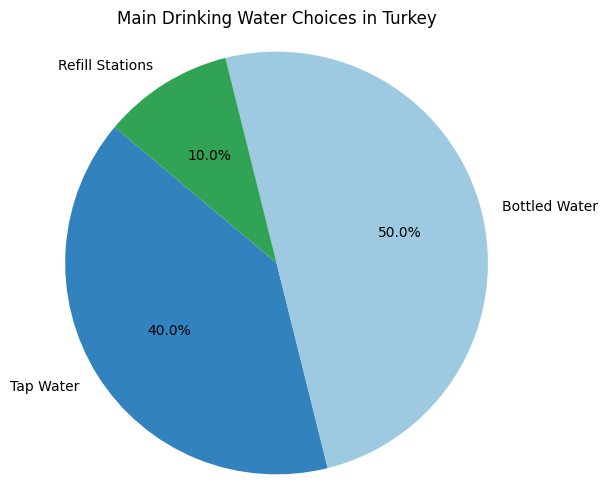
Exploring Turkey’s diverse regions uncovers unique water characteristics. Geology, infrastructure, and climate significantly influence water quality and safety. It’s essential to monitor regional water quality during your travels.
Mountainous Regions
Mountainous areas boast of their mountain spring water, renowned for its crispness. Provinces like Antalya benefit from these streams, thanks to limestone filtration that cleanses the water. Locals often prefer these sources for their refreshing taste and purity.
Coastal Areas
Coastal towns rely on water that may travel long distances before treatment. Restaurants often opt for bottled water for convenience. Travelers should check local signs or ask residents about tap water safety.
Urban Centers
Cities like Istanbul have advanced treatment plants but may have taste variations due to old pipes. Visitors may experience different tastes in various neighborhoods.
Region | Main Feature | Tip |
Mountainous | Fresh flows from natural paths | Seek local advice before tapping streams |
Coastal | Treated water traveling from inland springs | Opt for bottled water in tourist spots |
Urban | Modern facilities with possible pipe issues | Run tap briefly to clear stale water |
Bottled Water Options
Many visitors opt for sealed bottles for safe hydration. Stores offer various sizes at different prices. Larger jugs can save money over time. This choice brings peace of mind, helps avoid questionable sources, and ensures quality.
Popular Brands
Local markets and major supermarkets feature brands like Erikli, Pınar, and Saka. Each brand offers plastic or glass containers to suit different lifestyles. Customers often compare prices before choosing a favorite. Bulk orders and water delivery Turkey services make it easier to get large supplies without frequent trips.
Refill Stations
Companies have set up refill stations in tourist areas. Visitors bring refillable water bottles to these spots. This approach reduces plastic waste and lowers costs. Local initiatives promote the use of reusable containers, supporting an eco-friendly lifestyle for both short and extended stays.
Brand | Container Size | Approximate Bottled Water Cost |
Erikli | 0.5L – 19L | Low to Moderate |
Pınar | 1.5L – 19L | Moderate |
Saka | 0.5L – 19L | Low to Moderate |
Potential Health Risks and Preventive Measures
In cities like Istanbul, Ankara, and Izmir, tap water generally meets WHO standards. Yet, older plumbing systems can introduce contaminants. Visitors often find the high chlorine content unappealing, leading them to seek safer options. Those with sensitive health should opt for bottled or boiled water to prevent stomach upset.
While major cities in Turkey might have limited exposure to waterborne illnesses, travelers new to local water can experience discomfort. Public pipes in older areas are more likely to be contaminated. It’s wise to check local advisories and adopt cautious habits. Consulting a medical professional is essential for those with weakened immune systems.
Healthy travel tips include using filtration devices, washing produce with safe water, and avoiding ice unless it’s confirmed pure. Bottled water from trusted suppliers is a common alternative. Pre-trip health consultations can also reduce stress, benefiting those needing extra care. Simple precautions ensure peace of mind during a trip to Turkey.
Why Some Travelers Opt for Alternative Sources
Many guests weigh the bottled vs tap debate when choosing what to drink. Some are put off by chlorine odors or hints of metal in older pipes. This leads to a preference for water that consistently tastes good, avoiding surprises. Restaurants often offer bottled water at a low cost.
Local businesses provide bottled water to comfort visitors in unfamiliar places. Some travelers prefer alternative sources like filter pitchers or refill stations in major cities. First-time visitors to Turkey, for instance, often find comfort in the uniform taste of prepackaged water. Each choice impacts the traveler’s experience, leading many to choose what they trust most. These decisions highlight how small factors influence hydration choices.
Staying Hydrated in Turkey’s Climate
Coastal areas in Turkey often see temperatures soar above 90°F, necessitating constant hydration. The bright sun and low rainfall make the air dry, making it essential to adopt effective hydration strategies. This is vital when exploring the local attractions.
Avoiding Dehydration
Early dehydration symptoms include fatigue, dizziness, and a dry mouth. Drinking small amounts of water frequently is key to maintaining hydration in Turkey’s hot weather. It’s wise to carry a durable water bottle on hikes and monitor companions for signs of dehydration. Taking short breaks in shaded spots can help recover quickly on extremely hot days.
Electrolyte Supplements
Sweating can lead to mineral loss, making electrolyte drinks a must for outdoor activities. Brands like Gatorade or Pedialyte are great for replenishing salts, essential for those on long hikes. These drinks also help maintain energy levels, ensuring visitors can fully immerse themselves in the local culture without discomfort.
Local Perspectives on Drinking Practices
Many locals view tap water as suitable for daily needs. Some families even boil it for tea or cooking. Bottled water, on the other hand, is preferred by hosts to cater to relatives or guests. These habits reflect the local hygiene practices deeply ingrained in Turkish culture.
Visitors share varied experiences. Some praise the tap water’s convenience in big cities, while others detect a unique taste. Stories from guesthouses show guests switching between tap and bottled water based on personal taste. Many travelers feel comfortable once they understand the local water filtration standards.
Traveler Experiences
Travelers’ stories range from full trust in tap water to cautious use of bottled brands. They often try tap water first and then choose based on comfort. Each experience influences their decision on safe hydration during their stay.
Traditional Customs
In many homes, a fresh drink is offered to guests. Tea, a symbol of Turkish culture, is served warmly and invitingly. Hosts also keep bottled water handy during hot seasons. These customs underscore the importance of drinking practices in social traditions and daily well-being.
When to Consult a Medical Professional
While traveling, individuals may face acute or lingering health challenges from questionable water sources. Signs like persistent stomach pain, fever, or dehydration might require expert care. Those with ongoing conditions are at a higher risk of complications from water-related illnesses. It’s vital to find an English-speaking clinic in areas serving global tourists.
Prompt action can keep small troubles from becoming severe. Early diagnosis and treatment ease recovery and prevent further setbacks. A detailed travel health advice plan often recommends visiting a doctor if symptoms last more than two days. Finding a reputable facility for medical consultation abroad is key, for specialized tests or medication.
Tourists sometimes invest in insurance for peace of mind. Medical teams are prepared to guide patients toward safer, healthier journeys. This extra security can ease worries during busy schedules or remote excursions. Many providers extend options for extra health coverage.
Sustainability and Eco-Friendly Water Choices
Travelers often look for ways to lessen their environmental impact. Many opt for large water containers to cut down on plastic waste at popular spots. Others seek out public refill stations for a cleaner experience.
Plastic Waste Concerns
Disposable bottles fill landfills and harm local environments. An increasing number of visitors embrace eco-conscious travel by choosing biodegradable containers or recycling. This change helps communities protect rivers, beaches, and cultural sites from plastic pollution.
Eco-Friendly Alternatives
Refilling and reusing containers reduces waste. Some travelers use water filters or purification tablets to avoid single-use bottles. Bringing refillable water bottles Turkey style, with durable materials, conserves natural resources during long stays. Many also participate in volunteer cleanups, supporting local efforts to preserve water sources.
Making mindful choices promotes respectful and sustainable travel. Committing to reduce plastic on the go can lead to lasting habits that enhance future journeys.
Staying Informed About Water Safety
Water quality updates can change due to maintenance or seasonal shifts. Sources like ISKI in major cities provide real-time Turkish water updates. Travelers can also check online forums or ask hotel staff for information before drinking tap water.
Health advisories from official agencies are key for visitors. They alert about contamination or shortages risks. By staying informed, travelers can opt for bottled water when necessary. News portals and neighborhood apps often share updates on water system repairs.
Keeping up with municipal data and local advice fosters a proactive approach. Simple actions like checking water storage tanks and following hygiene rules boost confidence. This combination of research and practical steps ensures a safer, more enjoyable stay.