
Unveiling the Advantages of Water Treatment Technologies
- Published:
- Updated: December 16, 2024
Listen to this article
Summary
Water treatment technologies are crucial for ensuring clean and safe water amid growing challenges like water scarcity and pollution.
- Types of Technologies: Physical, chemical, and biological methods remove contaminants.
- Impact on Agriculture: Enhances water quality for irrigation, improving crop yields and food security.
- Benefits of Investment: Improves public health, water security, economic development, and environmental protection.
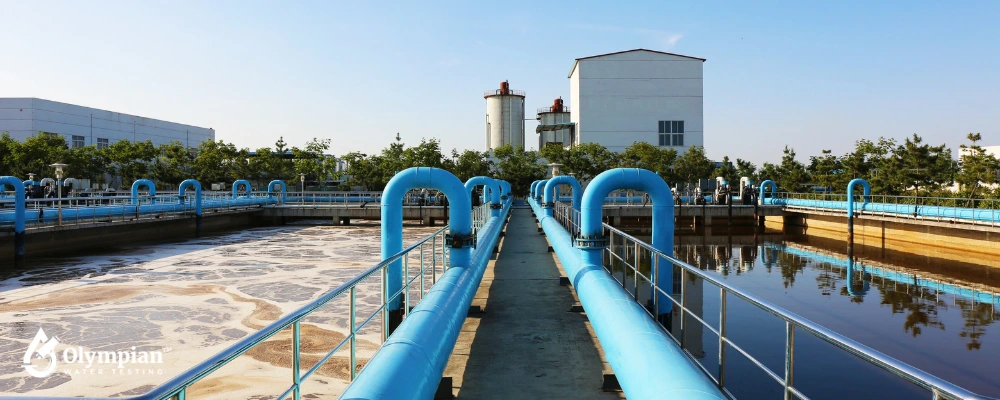
Water is an essential commodity and the quality and availability of it determines everything from health to agriculture, industry and the natural world. Managing water sustainably is all the more important as population increases and the need for water rises.
Water scarcity, water pollution and water shortage are the main problems of our planet today. With the population, urbanisation and economic growth on the rise, water consumption has increased and the freshwater supply has been overtaxed, while the water quality has deteriorated. These needs call for the new water treatment technologies to ensure that clean, safe and stable water is delivered.
What are Water Treatment Technologies?
Water Treatment Technologies: Water treatment technologies is an umbrella term that refers to many different techniques and systems which make water fit for usage. These technologies are available for surface and groundwaters, and can treat any kind of contaminant, both physical, chemical and biological.
Here are some of the most common water treatment technologies:
Physical treatment, like sedimentation, filtration and disinfection.
Chemical reactions like coagulation and flocculation, oxidation and reduction, ion exchange.
Active sludge, trickling filters, rotating biological contactors and so on.
Each of these methods has its pros and cons, and the technology selected will be based on the water quality issues and what the water to be treated is going to be used for.
Water Treatment Technologies and Climate Change

Water treatment systems could also contribute to climate change’s water consequences. Weather patterns are shifting as a result of climate change, more droughts and floods becoming more common and severe, and water shortages becoming more likely in many areas. Water treatment technologies can be used to keep water supply secure in the face of these issues by providing water treatment that is adaptable to shifting water environments.
The Importance of Effective Water Treatment in Agriculture
Agriculture is the most important consumer of water and water quality is very important for growing crops. – Inadequate water quality is associated with plant stress, low yields, and plant disease. : Water treatment plants can be used to enhance water quality in agriculture, with pure and safe water to be used for irrigation and swine. That can be leveraged for increased yield, food security, and sustainable farming.
The Role of Water Treatment Technologies in Industrial Processes
Industrial use also uses water treatment systems for supplying safe, clean water for cooling, process and boiler feedwater. The operation of many industrial applications relies on reliable water quality and water treatment systems can be used to ensure water is up to par so that the equipment does not breakdown and production ceases.
What are the Benefits of Investing in Water Treatment Technologies?
Water treatment technology can have multiple upsides — some of these include:
Improved public health: The best part about water treatment systems is that they improve public health by getting rid of bad contaminates from the water sources. This is especially true in regions where water resources are polluted with noxious contaminants such as pathogens, chemicals, and heavy metals.
Increase water security: Water treatment systems can boost water security too by offering stable and sustainable clean water supply. This is especially important in areas where water resources are scarce, as it can reduce dependency on non-sustainable sources of water.
Economic growth: Water treatment systems also have economic growth potential in terms of creating a stable and healthy water supply for businesses and homes. That can be leveraged to attract investment, employment and economic growth.
Protecting the environment: Water treatment can also protect the environment by decreasing the pollution leaking into the environment and retaining fresh water.
Water conservation: Water treatment technologies can also help with water conservation as well as better quality water which helps reduce the loss or wastage of water.
The Future of Water Treatment Technologies
Water treatment is always changing and new technology is being invented to accommodate increasing demand for clean and safe water. New technologies like nanotechnology, biotechnology, and membrane filtration are transforming water treatment. In the era where we are already facing issues related to water (water shortage, pollution, climate change, etc), the investment in water treatment solutions will only become more significant to ensure a long and sustainable supply of water.
The purchase of water treatment technology is necessary in the face of society’s increasing water problems. Water treatment technologies can help to improve public health and increase water security, but also economic development and the environment. Continue to invest in new and advanced water treatment technologies and ensure we’ll have a clean and safe source of water for future generations.
Share this on social media:
Facebook
Twitter
LinkedIn