
Understanding Local Water Sources
Clean and reliable water in coastal regions comes from diverse systems. People often wonder how Virginia water sources maintain quality and quantity. Local officials oversee each step, ensuring that every household has access to safe drinking water.
Where the Water Originates
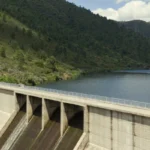
Many supplies draw from Lake Gaston, a regional water body serving neighborhoods year-round. Pumping stations transfer large volumes across numerous miles, making it possible to meet the city’s daily needs. This long-distance route helps sustain communities during dry spells and peak usage.
The Role of Treatment Facilities
Once collected, the water travels to critical sites such as the Moore’s Bridges Water Treatment Plant. Staff members there apply advanced techniques, filtering out debris, reducing unwanted particles, and disinfecting against harmful organisms. Each action streamlines delivery and reinforces public health safeguards. Deep oversight keeps contamination at bay and reduces health risks for residents. This approach highlights the importance of regulated processes, creating lasting confidence in local water systems.
Common Contaminants Found in Urban Water Supplies
Urban water systems draw from various sources, leading to a mix of contaminants in tap water. Pipes, treatment processes, and the local environment all play roles. These factors contribute to pollutants before water reaches homes and businesses.
Chemical Byproducts
Disinfection processes are vital for public health, removing harmful organisms. Yet, they can create trace chemicals as byproducts. These chemicals may remain if not properly filtered. Facilities regularly test for these substances to ensure safety.
Physical Impurities
Natural sediment, soil particles, and organic matter are common physical impurities. Filtration technologies manage these issues, but occasional pipe disturbances can stir up visible particles. Regular monitoring is key to maintaining clarity.
Type | Source | Possible Effects |
Chemical Traces | Disinfection Steps | May change taste or odor |
Physical Debris | Pipe Sediment | Cloudy Appearance |
Organic Material | Runoff or Decay | Potential for Minor Color Changes |
tap water in virginia beach: How Safe Is It?
City residents enjoy the benefits of modern treatment methods and ongoing research. Public utilities work closely with federal and state agencies to adhere to strict guidelines. Many wonder if local tap water meets health standards. Exploring how regulations and testing impact results is essential.
Local officials stress the importance of well-maintained systems. Water quality teams provide updates through public channels, guiding residents on best practices. Their goal is to keep contaminants in check and build trust among residents.
Federal and State Regulations
The Safe Drinking Water Act establishes legal limits for contaminants. In Virginia Beach, the Virginia Department of Health extends these safeguards. Specialists are always on the lookout for emerging issues, like PFAS concerns. They use advanced detection to ensure tap water safety.
Quality Testing and Monitoring
Regular tests confirm that bacteria, metals, and other impurities are kept below harmful levels. Technicians analyze water samples around the clock. Detailed reports inform the public about any changes, boosting confidence in this vital resource. This consistent effort keeps local standards high.
Treatment Processes Used by the City
Virginia Beach employs advanced water treatment techniques to ensure clean drinking water. The process begins with screening to remove large particles. Then, coagulation clumps tiny contaminants together. Flocculation follows, allowing these clumps to settle, resulting in clearer water.
Advanced filtering then removes smaller pollutants. This multi-step approach is essential for maintaining water quality. It prepares the water for the next critical step: chlorination.
Chlorination is vital for public health. The city carefully controls the dosage to kill harmful microbes without affecting taste. This process effectively eliminates bacteria and viruses, preventing waterborne diseases.
The 2024 water quality report highlights the city’s commitment to water safety. Each treatment phase is closely monitored with regular testing. This ensures that every glass of water meets strict state and federal standards.
Residents can rest assured, knowing the city’s dedication to their health. Local officials keep the community updated on any changes or temporary measures during peak demand periods.
Health Benefits of Drinking Local Water
Drinking local water does more than just quench thirst. It brings noticeable improvements in daily life, from increased energy to enhanced overall wellness. This natural resource is packed with elements that boost physical health.
Importance of Essential Minerals
Tap water contains essential minerals like calcium and magnesium. These minerals are vital for muscle function, maintaining blood pressure, and building strong bones. Drinking water from the faucet is a simple way to get these nutrients. When combined with a balanced diet, they support a healthy lifestyle.
Fluoride and Dental Well-Being
Fluoride is critical for dental health. It’s added to community water supplies to strengthen tooth enamel. Drinking fluoridated tap water can help prevent cavities in all age groups. This leads to healthier teeth and fewer dental treatments.
Tips for Improving Water Quality at Home
Many households aim to have fresh-tasting water every day. Simple steps can enhance water cleanliness and taste, and also extend plumbing life. These changes ensure families have confidence in their daily water use.
Effective Filtration Methods
Activated carbon and reverse osmosis systems effectively remove unwanted substances. Home water filtration setups target specific contaminants that affect taste or clarity. Some filters attach to faucets, while others filter the main supply.
- Countertop units for quick installation
- Whole-house filters for complete coverage
- Specialized cartridges for targeted removal
Maintenance of Pipes and Faucets
Small actions can protect water lines from buildup. Pipe maintenance includes regular checks for leaks or corrosion. Flushing faucets after disuse removes stagnant water and reduces microbial growth.
Proper Storage Practices
Containers and tanks must remain clean. Water storage in sealed, food-grade vessels prevents dust or bacteria contact. Regular sanitizing and scheduled rotations ensure stored water remains safe over time.
Filtration Method | Key Benefit | Suggested Maintenance |
Reverse Osmosis | Removes dissolved solids | Change filters every 6-12 months |
Activated Carbon | Improves taste and odor | Replace cartridge twice a year |
Whole-House Filter | Treats all water entering the home | Check system annually |
Comparing Bottled Water to the Home Tap
Many consumers are torn between bottled water and tap water. Some prefer the convenience of sealed containers, while others seek long-term savings. Using refillable bottles at home is becoming more popular, as it reduces plastic waste and supports a greener lifestyle.
Paying extra for bottled water doesn’t always mean better taste or purity. Many brands use the same sources as public water systems. This raises questions about the value of the added cost. Tap water, on the other hand, undergoes rigorous testing, ensuring quality. A cost comparison shows that tap water can save money and reduce plastic waste over time.
Type | Approx. Cost per Gallon | Impact on Plastic Waste |
Bottled Water | $1.20 and higher | Increased plastic output |
Tap Water | $0.003–$0.004 | Lower plastic reliance |
Environmental Implications of Drinking Tap Water
Tap water is processed through a complex system, reducing landfill waste from disposable containers. This shift encourages the use of refillable containers, promoting sustainable water choices. It nudges individuals towards adopting eco-friendly habits in their daily lives.
Brands like Nalgene and CamelBak offer durable refillable bottles. These bottles can last for years, requiring minimal upkeep. They serve as a powerful reminder that our choices can significantly impact the environment.
Reducing Plastic Waste
Choosing tap water means less plastic waste and less strain on waste management systems. It also prevents microplastics from contaminating our food. This approach directly reduces the carbon footprint associated with water consumption.
Energy Costs in Water Production
Bottling water requires additional transport, packaging, and fuel, increasing energy use. In contrast, municipal water treatment uses fewer resources per gallon. This makes tap water a more energy-efficient choice, highlighting its environmental benefits.
Debunking Myths About Virginia Beach Water
Many people hold onto outdated beliefs about tap water, thinking it’s not safe. Yet, city officials and state agencies regularly publish reports. These show that contamination levels are far below what could harm us. This rigorous monitoring proves that tap water is thoroughly tested before it reaches our homes.
Storm-related boil advisories underscore the city’s dedication to safety. Alerts are issued when there’s a risk of water contamination. Services are restored only after tests confirm the water is clean. Despite myths suggesting bottled water is superior, evidence shows that tap water meets strict quality standards. By examining official data, residents can see that Virginia Beach’s tap water is reliable and safe for consumption.
Considerations for Sensitive Populations
Some residents require extra assurance about their drinking water. They might opt for boiling tap water or installing approved filtration systems. These measures offer additional protection, providing peace of mind.
Infants and Toddlers
Ensuring baby-safe water is a top priority for parents. Pediatric experts recommend using treated or boiled water for formula and bottle sterilization. This step is critical in protecting young bodies from unseen risks.
Individuals with Compromised Immunity
Those with weakened immune systems need to be extra cautious. Immune-compromised water caution may involve rigorous testing and regular maintenance of filtration systems. This strategy aims to combat hidden threats to their health.
Older Adults
As people age, their immune systems naturally weaken. Elderly water safety becomes a critical concern. Simple actions like refrigerating purified water and focusing on microbial removal are beneficial. These steps support the well-being of older adults.
Staying Informed on Water Quality Updates
Regularly checking official sources is key to avoiding unexpected contamination risks. City websites frequently post local water alerts with guidelines for safe use. Residents should also review water quality reports annually. These reports detail possible contaminants and necessary actions.
Issuing boil water advisories is critical when issues like line repairs or severe weather damage are detected. Quick actions, like boiling tap water, safeguard families. Some opt for regular home tests to catch any changes that might require attention. Agencies like the Virginia Department of Health provide real-time updates through digital platforms. Signing up for email or text alerts ensures direct access to critical information.
- Bookmark community websites for timely notifications
- Check new bulletins during storm seasons
- Consult local officials when in doubt
These straightforward actions enable residents to be ready for sudden water quality changes. By staying informed, they can make choices that enhance their daily health and safety.
Moving Forward with Confidence and Peace of Mind
Local authorities and health experts in Virginia Beach are committed to improving water quality. They invest in cutting-edge technology to ensure water safety for the future. Regular testing and transparent reporting give residents confidence in their drinking water. This effort helps build trust and confidence in the city.
Residents are encouraged to take steps at home to enhance their water safety. Replacing old faucet parts or using certified filters can offer peace of mind. The city’s water department regularly updates the community on any risks, keeping everyone informed and prepared.
Learning about the source, treatment, and monitoring of water can make people appreciate tap water more. Every positive step we take brings us closer to a healthier future and a sustainable environment. Together, we can ensure safe and refreshing water for generations to come.
FAQ
Is Virginia Beach tap water safe to drink?
Yes. The Virginia Department of Health and the EPA confirm Virginia Beach tap water meets all safety standards. It comes from Lake Gaston, where thorough treatment and continuous testing occur before it reaches homes and businesses.
What role does the Moore’s Bridges Water Treatment Plant play in water safety?
The Moore’s Bridges Water Treatment Plant, in partnership with the City of Norfolk, performs critical treatment steps. These include coagulation, flocculation, and disinfection. These processes remove impurities, microbes, and sediment, ensuring clean water for distribution.
What types of contaminants might be found in an urban water supply?
Urban water supplies can contain chemical byproducts from disinfection and physical impurities like sediment. Virginia Beach’s advanced filtration systems keep these contaminants at safe levels.
How does Virginia Beach monitor its tap water quality?
The city tests its water for a wide range of substances, including PFAS. It follows EPA guidelines and Virginia Department of Health requirements, ensuring the water supply is safe.
What methods does Virginia Beach use to treat and disinfect its water?
The water treatment process starts with removing large debris. Then, advanced filtration methods like coagulation and flocculation are applied. Disinfection with chlorine or chloramine targets harmful microbes, providing clean water to homes.
Are there health benefits to drinking local Virginia Beach water?
Yes. Drinking local water can support bone and cardiovascular health due to minerals like calcium and magnesium. Fluoride, added to the water, promotes dental health, benefiting children most.
How can homeowners improve tap water taste or quality even further?
Installing reverse osmosis or whole-house filters can enhance taste, odor, or color. Regular maintenance of pipes and fixtures, flushing faucets, and proper water storage prevent bacterial growth.
Is bottled water safer than tap water in Virginia Beach?
Not necessarily. Many bottled water brands use municipal supplies. Virginia Beach tap water, tested frequently and meeting strict standards, is a reliable and cost-effective choice.
How does choosing tap water help the environment?
Choosing tap water in reusable bottles reduces plastic waste. It also uses less energy than transporting bottled water, making it a more sustainable option.
Are there misconceptions about tap water safety in Virginia Beach?
Yes, some believe tap water is less safe than bottled water. Yet, regular testing and transparent reporting by local authorities confirm safety. Boil water advisories during severe storms further highlight the city’s caution.
What precautions should sensitive groups take with tap water?
Infants, older adults, and those with weakened immune systems may want to boil tap water or use specialized filters. While Virginia Beach’s water is safe, these precautions offer extra protection.
How can residents stay updated on water quality information?
The city publishes annual water quality reports and alerts through local news, social media, and the Virginia Beach city portal. Staying informed ensures households can quickly respond to protect their health.
Why should residents feel confident about Virginia Beach tap water moving forward?
Ongoing investments in infrastructure and advanced treatment technologies show the city’s dedication to water safety. With knowledge about sources, regulations, and testing, residents can trust their tap water supply.