Why Well Water Testing Matters
Private wells can contain hidden microbes or chemical pollutants. Regular testing ensures the water is safe for drinking and daily use. Annual water testing helps detect any quality changes early, preventing serious health issues.
Prevention of Health Hazards
Testing for bacteria, nitrates, and metals is key to avoiding water-related illnesses. Early detection prevents gastrointestinal problems and long-term toxin exposure.
Identifying Contaminants Early
Quick detection of contaminants allows for effective solutions like filtration or treatment. Well water testing is a proactive measure to prevent equipment damage and protect the community. It keeps repair costs low and offers peace of mind.
Maintaining Regulatory Compliance
Property owners must adhere to state or local regulations that require specific tests. Following these guidelines ensures legal compliance and consistent water quality. It also safeguards public health.
Common Test | Reason |
Coliform Bacteria | Assesses pathogens that pose health hazards |
pH Levels | Ensures suitable water quality and taste |
Heavy Metals | Reveals risks to long-term well-being |
Regulatory Framework Behind Private Well Testing
The Safe Drinking Water Act sets rules for public water supplies, but private wells have their own path. States have created private well regulations to fit local needs. These rules are found in county codes or state laws, forming a complex system. It’s essential for owners to stay updated to ensure their water is safe and reliable.
Local health agencies play a critical role in this system. They provide educational materials, conduct outreach, and enforce sampling schedules. Some areas require annual testing, while others suggest less frequent checks. Each region’s approach is shaped by its unique environmental challenges. Understanding local regulations helps residents avoid gaps in testing, ensuring their well water is regularly checked.
The Safe Drinking Water Act inspires broader efforts to safeguard drinking water. Yet, private well regulations vary significantly from one county to another. Local health agencies sometimes collaborate with research institutions to enhance these standards. In some areas, water quality data is made public, highlighting common contaminants and encouraging property owners to be more vigilant.
For new homeowners, routine testing is key to understanding well conditions before buying. State agencies may require sampling when a property is sold, revealing any issues early on. Real estate professionals often advise this step as a precaution. Knowing about these layers of authority empowers families to keep their water safe from harmful contaminants.
Clear guidelines are essential to avoid confusion, as each region has its own standards. Some states publish pamphlets outlining best practices. Others host community workshops led by environmental health specialists. These efforts unite homeowners and experts in a common goal. By following recommended testing schedules, individuals can significantly reduce the risk of contamination and enhance the safety of their private wells.
Key Provisions Under the PWTA
The Private Well Testing Act sets essential guidelines for water quality. It raises public awareness, ensuring a safer drinking supply. This awareness motivates thorough evaluations.
Testing Frequency Requirements
Water checks are conducted at regular intervals to detect contaminants. The frequency depends on local rules and environmental threats. This keeps well owners updated on water conditions.
Mandatory Disclosure for Home Sales
Sellers must present verified results from recent evaluations. This highlights any red flags for buyers. It aligns with disclosure requirements to protect families from hidden pollution.
Recommended Testing Intervals
Contaminant | Ideal Interval | Notes |
Bacteria (e.g., Coliform) | Once per year | Ensures early detection of microbial threats |
Nitrates | Once per year | Crucial in regions with agricultural runoff |
Heavy Metals | Every 3 years | Tracks buildup from industrial sites |
Determining If Your Well Is Subject to Testing
Some properties must verify private well eligibility before proceeding with any checks. This process hinges on local rules that outline which wells demand regular monitoring. Change in ownership triggers extra attention, as a property transfer often requires updated testing records.
New wells or those situated near industrial zones can fall under specific guidelines to ensure regulatory compliance. Landlords renting out homes with private wells face periodic checks to protect tenant health. Individual well owners are encouraged to reach out to their state health department in order to clarify obligations.
The following table highlights possible scenarios that may prompt official reviews:
Testing Trigger | Reason | Potential Requirement |
New Well Construction | Verification of water safety | Statutory testing in some jurisdictions |
Property Sale | Ensuring accurate disclosure | Testing mandated by change in ownership |
Rental Property | Tenant health protection | Regular documented checks |
Common Contaminants Found in Groundwater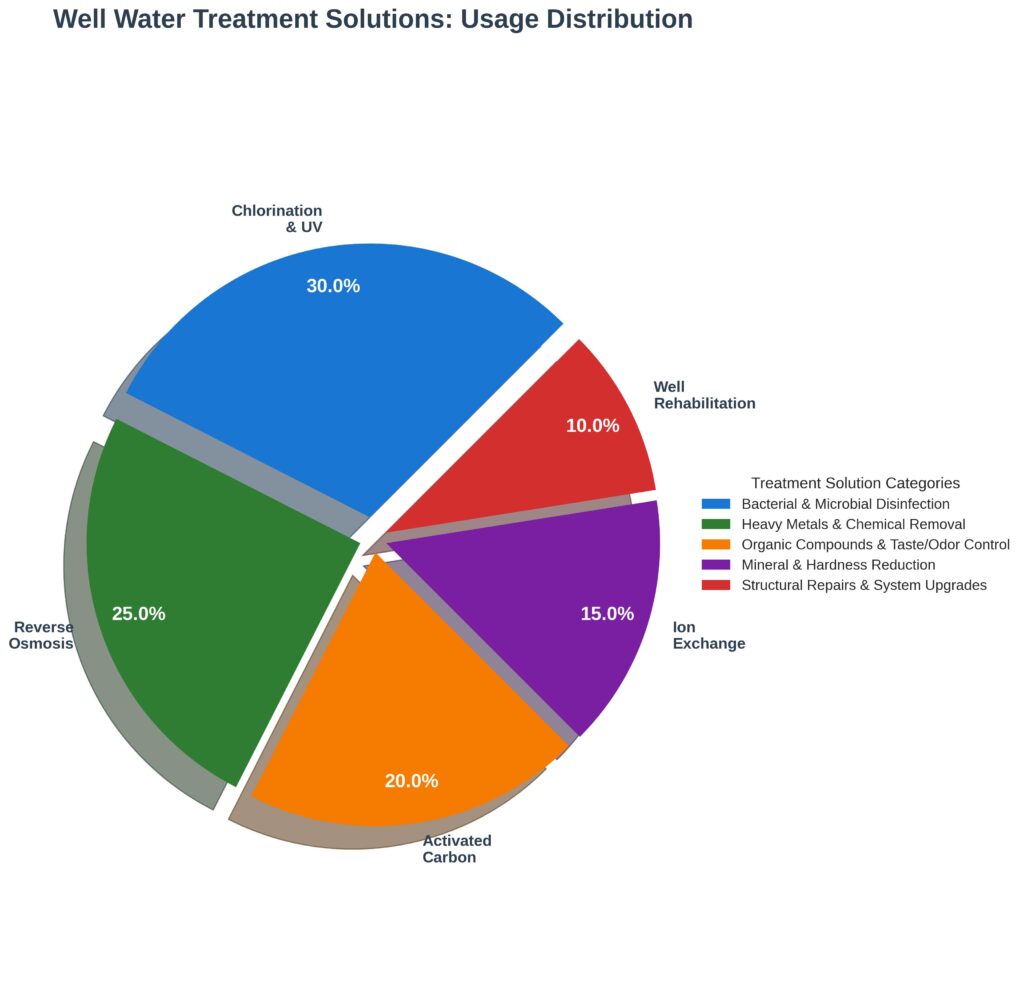
Groundwater contamination poses a significant threat to the quality of private wells nationwide. Testing is critical for those reliant on these sources. Early detection can unveil hidden threats, prompting immediate action and preventive strategies.
Bacteria and Microorganisms
Microscopic life forms, such as coliform bacteria, often signal contamination. They indicate that runoff or faulty plumbing has breached a well. Their presence necessitates further investigation and measures to protect health.
Heavy Metals and Minerals
Heavy metals, like lead and arsenic, are hazardous when they accumulate. They can migrate from corroded pipes or geological layers, endangering vital organs. Early detection allows for effective filtration and ongoing monitoring.
Industrial Chemicals
Nearby industrial activities or spills can contaminate groundwater. These volatile compounds can persist in soil and enter wells. This highlights the necessity for targeted tests and informed treatment plans.
Contaminants Overview
Type | Likely Source | Risk Level |
Coliform Bacteria | Agricultural Runoff, Floodwater | High if Unresolved |
Heavy Metals | Corrosion, Natural Deposits | Long-Term Health Effects |
Industrial Chemicals | Factories, Spills | Significant Toxicity |
Selecting Certified Laboratories
Choosing a certified lab is key to ensuring safe water. A reliable facility must adhere to strict water testing accreditation standards. This gives property owners confidence in the accuracy of their water analysis results.
Lab standards directly impact the quality of the data used for important decisions. It’s essential to partner with a lab that prioritizes these standards.
Verifying Accreditation
State or federal agencies often grant official water testing accreditation. This confirms a lab’s reliability. Checking a lab’s documentation is a must to assess its track record with various contaminants.
Look for license details, staff certifications, and references. An accredited lab follows recognized guidelines. This provides extra confidence if unexpected contaminants are found.
Key Questions to Ask Laboratories
Clear communication is vital when choosing a certified lab. Ask about turnaround times, the scope of testing, and specialized services. Find out if the lab follows official standards and offers solutions for rare contaminants.
Understanding fees upfront is also wise. This ensures the lab’s accreditation meets local guidelines and your budget.
Strategies for Maintaining a Safe Water Supply
Routine well maintenance is key to preventing small issues from becoming major problems. Owners often schedule yearly mechanical checks to catch leaks early and fix them before contamination occurs. Simple steps, such as checking the well cap for cracks and keeping the area around the well free of debris, can significantly extend the system’s life.
Nitrate and bacterial tests act as early warning signs for any issues. A basic test kit alerts families to unseen threats in their water source. If test results show a problem, whole-house filters or point-of-use options can be used to address it. These measures are vital for well water safety, more so in households with children or older adults.
Protective measures also involve managing land use around the property. Proper disposal of animal waste and avoiding excessive chemicals in nearby areas can prevent runoff from seeping into the groundwater. Staying informed about local testing guidelines is essential for being prepared for any future risks.
Regional Variations in Well Testing Requirements
Well testing rules vary across the United States, impacting homeowners differently. Some areas have strict state regulations, mandating regular inspections and lab tests. In contrast, others follow local policies and community guidelines to manage pollution risks. The rules can change based on the geology or industrial activities in a county.
Understanding regional groundwater standards is essential for property owners. This knowledge helps avoid fines and ensures legal compliance. Some states make test results public, while others restrict access. Knowing these details is key to ensuring safe drinking water.
Budgeting and Cost Factors for Well Testing
Homeowners often fret about costs when planning routine checks on their private wells. With careful research and simple strategies, unexpected charges can be avoided. This makes well upkeep more affordable. Many aim for budget-friendly water testing without compromising on quality.
Average Testing Prices
The cost of well testing varies by region and complexity. Basic assessments, focusing on bacteria or pH, fit smaller budgets. More detailed panels, targeting chemicals or heavy metals, increase fees. Local market conditions, lab credentials, and test frequency all influence the final cost.
Cost-Saving Strategies
Consider group testing with neighbors or seasonal events. Some clinics offer package deals that lower individual costs. Research grants and vouchers from public institutions can also reduce expenses for eligible homeowners.
Financing and Assistance Programs
Many state agencies offer financial assistance for homeowners needing reliable well assessments. Nonprofits may provide funding through communal funds or discounted rates. These programs can ease the financial burden for families aiming to maintain safe wells.
Interpreting Your Test Results
Ensuring the safety of your private well water requires a clear understanding of test results. Many homeowners find the complex numbers daunting. Yet, focusing on a few key indicators can simplify the process. pH levels, total dissolved solids, and microbial presence are critical for assessing water quality and spotting early warning signs.
Reading Lab Reports
Lab reports detail essential elements like nitrates or iron in a way that’s easy to grasp. It’s beneficial to compare these results against Environmental Protection Agency standards. Referencing an official primer can provide deeper insights into interpreting these numbers. It also indicates when further action is necessary. A thorough review can reveal subtle changes in water quality, preventing more severe issues.
- Identify the main parameters and compare them to established benchmarks.
- Highlight any significant deviations and explore possible contamination sources.
- Keep a consistent record of measurements for future reference.
Determining Action Levels
Identifying a contaminant threshold is essential for determining the next steps. If a result exceeds recognized guidelines, immediate action is required. This could involve installing filtration or disinfection systems. This proactive approach ensures a safe water supply, bypassing technical complexities and conflicting advice.
Corrective Actions for Contaminated Wells
Contaminated wells pose immediate health risks that require prompt action. Owners often seek water treatment solutions based on lab results. Each contaminant necessitates a unique approach to restore safety and taste.
For bacterial issues, simple chlorination can be effective. Advanced filtration or reverse osmosis units may be needed for minerals and chemicals. Certified experts will recommend the best remediation options based on the contaminants found.
Treatment Solutions
Experts install various systems to tackle issues like heavy metals and industrial byproducts. Common steps include:
- Chlorine or UV disinfection
- Activated carbon filters
- Reverse osmosis systems
- Ion exchange processes
Well Rehabilitation
Structural failures or surface infiltration require well rehabilitation. This involves repairing damaged casings, sealing leaks, and protecting water channels. In some cases, relocating the well is the most practical solution.
Contaminant | Remediation Method |
Microorganisms | Disinfection (Chlorine or UV) |
Heavy Metals | Specialized Filtration |
Organic Compounds | Activated Carbon |
Protecting Well Water at the Source
Secure drinking water starts with strong source protection. It’s essential to prevent pollutants from entering a well. This involves being cautious with lawn chemicals and septic tank maintenance. Planting grasses or shrubs near fields and gardens helps filter runoff, reducing the risk of chemical seepage.
Watershed management is key to maintaining ecosystems. It focuses on natural buffers and careful planning. This strategy blocks contaminants before they reach underground reserves. Local stakeholders often share the same aquifer, making collective efforts vital for clean water for all.
Building resilience through wellhead protection zones is another critical step. Restricted areas around the casing prevent accidental spills or leaks. Regular checks of pumping equipment ensure a reliable supply for the long term. A proactive stance preserves the well’s integrity and protects public health.
Method | Outcome |
Fertilizer Control | Reduces harmful chemical infiltration |
Septic Maintenance | Prevents bacterial hazards |
Vegetation Buffers | Filters runoff near water sources |
Expert Insights on the PWTA
Experts stress the importance of regular checks for private wells. They emphasize the need for proactive steps to catch early warning signs. By following recommended tests and strategies, homeowners can ensure their water remains safe and free from hidden threats.
Perspectives from Water Quality Specialists
Researchers and scientists offer expert opinions on emerging contaminants and maintenance best practices. They highlight advanced filtration products from companies like 3M and GE. These PWTA insights stress the importance of personal responsibility for long-term protection.
Homeowners’ Success Stories
Homeowners who acted quickly on test results saw significant water quality improvements. One family installed a reverse osmosis system advised by the EPA, avoiding expensive medical costs. Their stories highlight the value of diligence and legal compliance in ensuring a safe and healthy home environment.
Additional Resources for Well Owners
Well owners can protect their homes from unexpected contaminants by tapping into various resources. State guides outline the frequency for water testing. Nonprofit organizations provide insights into treatment options. The EPA’s Drinking Water Hotline offers advice on a wide range of safety issues.
Visiting your local health department can lead you to certified labs and expert advice. Environmental agencies publish data on substances that can contaminate groundwater. Utilizing tools from these agencies can help identify trends in water quality.
By staying informed with the latest recommendations, well owners can ensure their water remains safe throughout the year. The Centers for Disease Control and Prevention‘s databases highlight common pollutants. Regularly reviewing this data helps in detecting contamination early, preventing its spread.
Moving Forward with a Proactive Approach
Land use changes and unusual weather events necessitate regular checks on private wells. Staying on top of PWTA compliance can ward off surprises and ensure comfort with every sip. Local guidelines provide a starting point, but active participation fosters genuine peace of mind.
Proactive well maintenance minimizes the risk of hidden contaminants. Early detection, swift repairs, and expert visits tackle problems before they escalate. This approach shields homes from expensive fixes and health risks.
Commitment to sustainable water quality leads to safer, more reliable supplies. Regular testing and treatment are key steps in safeguarding family health. The support of accredited labs and licensed professionals makes achieving clean, dependable well water easier and more sustainable for the long term.