Human Rights and Water Quality Analysis: An Essential Connection
- Published:
- Updated: December 16, 2024
Listen to this article
Summary
Access to clean water is a fundamental human right, yet human activities often compromise water quality. Water quality analysis is vital for ensuring safe drinking water, identifying contaminants, and guiding management decisions. Challenges include environmental pollutants, poor infrastructure, and climate change. Individual and community actions, along with government support, are crucial for protecting water quality and upholding human rights.

Clean, safe water is a human right, and human rights are tied together with water quality measurement to ensure that this right is achieved. Analyzing water quality allows to know whether the water is safe to drink and if any contaminants could potentially be harmful to humans. Such tests can then be used to make sound water-treatment and management decisions, and the end result is that local communities get access to water of minimally safe and quality.
The Importance of Clean and Safe Drinking Water
Water is life and death if it’s clean and healthy. We drink, cook, and bathe in water, and water contamination and pollutants can have detrimental health effects – from gastroenteritis to skin rashes to chronic disease states such as cancer and ovarian cancer. For good health, one needs clean and safe water to live.
The Connection between Human Rights and Water Quality Analysis

The right to clean, safe drinking water is a human right as per the United Nations. It is the right to ensure that people have access to what they require for good health and wellbeing. This process is made possible by the data gleaned from water quality analysis to detect and remediate water contaminants and pollutants and make water safe and healthy. As long as human rights and water quality monitoring are interlinked, we can all have access to clean and safe water.
The Role of Water Quality Analysis in Protecting Public Health
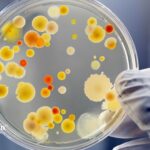
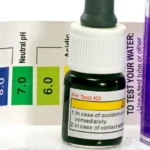
Water quality analysis is an essential tool for protecting public health and ensuring that water supplies are safe and of high quality. By analysing water samples and testing for contaminants and pollutants, water quality analysis provides critical information that can be used to:
- Identify the presence of contaminants and pollutants in water supplies: This information is crucial in determining the safety of water supplies and ensuring that they are free from contaminants and pollutants that can harm human health.
- Evaluate the safety of water supplies: By testing water samples, water quality analysis can determine whether or not water supplies are safe for consumption, providing critical information for decision-makers and ensuring that people have access to clean and safe drinking water.
- Develop and implement strategies for improving water quality: With the information provided by water quality analysis, decision-makers can develop and implement strategies for improving water quality and ensuring that water supplies are safe and of high quality.
The Challenges of Providing Clean and Safe Drinking Water
Providing clean and safe drinking water is a complex challenge, and there are a number of factors that can impact water quality. Some of these factors include contaminants and pollutants in the environment, poor water management practices, aging water infrastructure, and climate change.
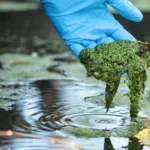
Environmental contaminants and pollutants, such as chemicals, heavy metals, and bacteria, can enter water supplies and harm human health. These substances can originate from various sources, including agricultural runoff, industrial processes, and urban development.
Poor water management practices, such as insufficient treatment processes or inadequate storage and distribution systems, can also impact water quality and harm human health. Mismanagement can lead to the introduction of contaminants or the proliferation of harmful microorganisms in water supplies.
Aging water infrastructure, such as pipes and treatment plants, can also impact water quality and harm human health. As infrastructure deteriorates, contaminants can be introduced into the water supply, or existing contaminants may not be effectively removed.
Climate change can also impact water quality, leading to changes in the availability and quality of water supplies. Increased temperatures, altered precipitation patterns, and more frequent extreme weather events can affect water sources, exacerbating contamination issues and making water management more challenging.
Addressing these factors and ensuring clean and safe drinking water requires a comprehensive approach that includes monitoring and analysis, infrastructure maintenance and upgrades, effective water management practices, and policies aimed at mitigating the effects of climate change.
How Can You Help Ensure Access to Clean and Safe Drinking Water?
There are a number of ways that individuals and communities can help ensure access to clean and safe drinking water, including:
- Supporting initiatives that aim to improve water infrastructure and water management practices: By supporting initiatives that aim to improve water infrastructure and water management practices, individuals and communities can help to ensure access to clean and safe drinking water.
- Participating in water quality analysis programs and initiatives: Participating in water quality analysis programs and initiatives can help to provide critical information about water quality and ensure that water supplies remain safe and of high quality.
- Raising awareness about the importance of clean and safe drinking water: Raising awareness about the importance of clean and safe drinking water and the role that water quality analysis plays in protecting public health can help to increase support for initiatives that aim to improve water quality.
- Advocating for policies and programs that support clean and safe drinking water for all: Advocating for policies and programs that support clean and safe drinking water for all can help to ensure that everyone has access to this basic human right.
The Future of Water Quality Analysis and Human Rights
With technology and science improving, better and better water quality analysis will surely develop. Among the research fields likely to influence the future of water quality analysis are high-end analysis methods, real-time monitoring and artificial intelligence and machine learning.
Advanced techniques for analysis like molecular biology and nanotechnology will be a major component of future water quality analysis. These can offer faster and more sensitive methods of finding contaminants and pollutants in water to better identify and address health hazards.
The other research field is in the real-time monitoring. Such systems can be set up with sensors and data in real time that track water quality on a continuous basis and notify authorities when water quality dips below certain thresholds. Monitors — in real time, for instance — can monitor whether water sources are safe and clean, reducing waterborne pathogens and dealing with contamination problems better.
AI and machine learning – for the analysis of water quality – will also change the game. These technologies can then be applied to water quality data to discern trends, and to come up with new and more efficient ways to monitor water quality. Artificial intelligence and machine learning are capable of making water quality analysis more effective and accurate so that we can all get access to clean, safe drinking water.
We can keep evolving and optimizing our approaches to water quality monitoring by using these new technologies and innovations, protecting public health and providing safe and clean drinking water.
Share this on social media:
Facebook
Twitter
LinkedIn

Related Posts