5 Signs That You Have Hard Water in Your Home
- Published:
- Updated: February 17, 2025
Listen to this article
Summary
Hard water can cause various issues, from soap scum to appliance damage. Recognizing these signs early can help you address water quality problems.
- Soap lather issues: Hard water prevents soap from lathering well, leaving residue on skin, causing dryness, and making soap less effective.
- Mineral deposits: You may notice buildup on faucets and fixtures, reducing water flow and appliance efficiency.
- Dull clothes and stiff towels: Hard water leaves minerals on fabrics, causing them to feel rough and look faded.
- Scale buildup in appliances: Dishwashers, water heaters, and washing machines may accumulate scale, reducing efficiency and lifespan.
- Dry, itchy skin: The minerals in hard water can irritate the skin, leading to dryness and itchiness after showering.
We often overlook the quality of our water, but hard water can cause big problems. It leads to soap scum, stains, plumbing issues, and skin problems. We’ll show you how to spot hard water and why good water quality matters.
Hard water is common, affecting about 85% of U.S. homes. It’s caused by high levels of minerals like calcium and magnesium. Signs include soap scum, limescale, and stiff clothes. We’ll explain these signs and how to fix them.
What Causes Water Hardness?
Water hardness is primarily caused by the presence of dissolved minerals, most commonly calcium and magnesium. These minerals are naturally found in the environment, as water flows through soil and rocks. When rainwater or groundwater moves through mineral-rich geological formations, it picks up calcium and magnesium, which then make their way into the water supply.
The degree of hardness varies depending on the local geology. Areas with limestone or gypsum deposits are particularly prone to having hard water because these minerals readily dissolve into the water. Other factors that influence water hardness include the water’s source (whether from wells, rivers, or reservoirs) and the climate (as dry regions tend to have more mineral-rich groundwater).
Common Minerals in Hard Water

Hard water is primarily composed of calcium and magnesium, two minerals that naturally dissolve into water as it moves through rocks and soil. These minerals are the main contributors to water hardness, and their concentration determines the severity of hardness in the water. Calcium typically comes from limestone, gypsum, and chalk, while magnesium is often present in dolomite and other magnesium-rich rocks. In addition to these primary minerals, hard water can also contain other minerals, such as bicarbonates, sulfates, and chlorides, which contribute to the overall mineral content.
Over time, the accumulation of these minerals can cause scale buildup in pipes and appliances, leading to reduced efficiency and increased maintenance costs. Calcium and magnesium, though beneficial in small amounts, can cause problems when they exceed certain thresholds, making water difficult to use for cleaning, cooking, or bathing. The concentration of these minerals is often expressed in grains per gallon (GPG) or milligrams per liter (mg/L), with higher values indicating harder water.
Testing Water Hardness Levels
Testing water hardness is key to knowing mineral levels. We use kits or lab analysis for this. The results help us tackle hard water issues.
| Water Hardness Level | Calcium Carbonate (mg/L) | Grains per Gallon (GPG) |
|---|---|---|
| Soft | 0-60 mg/L | 0-3 GPG |
| Moderately Hard | 61-120 mg/L | 4-7 GPG |
| Hard | 121-180 mg/L | 8-10 GPG |
| Very Hard | Over 180 mg/L | 10+ GPG |
Signs That You Have Hard Water in Your Home: Visual Indicators
Hard water can affect our daily lives in many ways. We might see soap scum, stains, and mineral deposits on surfaces. These signs can show up on sinks, toilets, and showers.
Some common signs of hard water include:
1. Poor Soap Lather and Residue on Skin
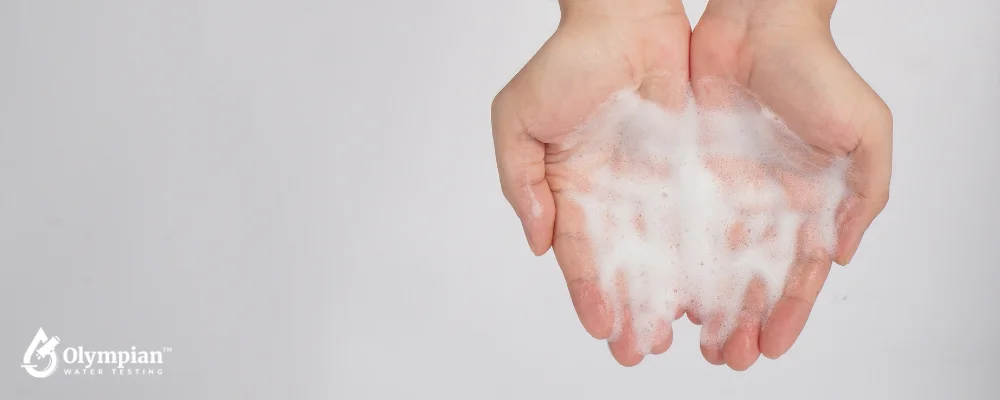
Poor soap lather and a hard-to-remove residue are common signs of hard water. The minerals in hard water react with soap, leaving a residue. This can make your skin feel dry and irritated.
Hard water can cause several issues, including: * Dry, irritable skin * Clogged pores and acne * Irritated scalp, dandruff, and dry scalp * Residual buildup of soap scum, which can worsen skin dryness and irritation
Using hard water means you might need 2-3 times more soap to get the same lather as soft water. The minerals left on your skin can also block lotions and moisturizers from being absorbed. This makes them less effective.
To fix the problems of poor soap lather and residue, consider using a water softener. Or, choose a soap made for hard water. These solutions can help keep your skin soft and clean.
2. Visible Mineral Deposits on Faucets and Fixtures

Mineral deposits on faucets and fixtures are a clear sign of hard water. These deposits come from minerals like calcium and magnesium. They leave a residue that builds up over time.
Hard water causes mineral deposits on many household items. This includes faucets, fixtures, and appliances. It not only makes them look bad but also affects their performance and lifespan. Some common problems include:
- Reduced water flow due to clogged pipes and faucets
- Increased energy consumption and costs
- Shortened lifespan of appliances and fixtures
- Unsightly stains and deposits on surfaces
To fight mineral deposits, we can use a water softener or a cleaning product. Regular cleaning helps prevent buildup. It also reduces the harm caused by hard water.
3. Clothes and Towels Feeling Stiff or Dull After Washing

Hard water often makes our laundry stiff and dull. This can make our daily routines less comfortable. The minerals in hard water, like calcium and magnesium, leave a residue on clothes and towels. This residue makes them look dull and faded.
Over 85% of U.S. households deal with hard water. This affects how our clothes and towels look. About 79% of people say their clothes look dull or gray after washing. Also, around 60% of people find their towels and linens feel rough or stiff after washing.
Hard water can also shorten the life of our clothes. They might last 30% less than those washed in soft water. We use more detergent, as it loses up to 30% of its effectiveness in hard water. White clothes can turn yellow or gray, costing us around $100 a year. We also spend more time ironing because clothes are stiffer and wrinkle more in hard water.
Knowing how hard water affects our laundry helps us find solutions. We can improve the quality of our clothes and towels. Next, we’ll look at ways to soften hard water, like water softening systems and filters.
4. Scale Build-Up in Appliances Like Dishwashers and Water Heaters

Hard water can affect more than just our skin and clothes. It can also harm our appliances. Scale build-up in dishwashers and water heaters is a common issue. This happens when minerals like calcium and magnesium leave behind a residue.
Scale build-up can make our appliances less efficient and shorter-lived. For instance, it can make water heaters work harder to heat water. Flushing the tank regularly can help. Using a water softener or a cleaning product can also help remove scale.
Some signs of scale build-up include:
- Reduced efficiency and performance
- Increased energy consumption
- Premature wear and tear
- Mineral deposits and staining
To prevent or reduce scale build-up, using a water softener or a whole-home filtration system is key. These systems remove minerals that cause scale. By addressing hard water, we can make our appliances last longer and save on maintenance costs.
| Appliance | Effect of Scale Build-Up |
|---|---|
| Dishwashers | Reduced efficiency, increased energy consumption |
| Water Heaters | Reduced energy efficiency, premature wear and tear |
| Washing Machines | Premature wear and tear, reduced efficiency |
5. Dry, Itchy Skin After Showering

Hard water can make your skin dry and itchy after a shower. This happens because of minerals like calcium and magnesium. They mix with soap to create a residue that dries out your skin. This residue can also block pores, leading to further skin issues from contaminated water. Over time, regular exposure to hard water may exacerbate conditions such as eczema or dermatitis, particularly in individuals with sensitive skin. To combat these effects, many people turn to water softeners or moisturizing products specifically designed to restore hydration and balance to their skin.
Some people, like those with sensitive skin or conditions like psoriasis, feel it more. Kids are also more likely to get eczema from hard water. To fix this, using a water softener or special soap for hard water is a good idea.
Here are some tips to help with dry, itchy skin from hard water:
- Use a gentle, fragrance-free soap that is designed for sensitive skin
- Avoid using hot water, which can strip the skin of its natural oils
- Apply a moisturizer within 5 minutes after bathing to help retain skin hydration
- Consider using a humidifier to add moisture to the air, particularlly during dry winter months
By following these tips and addressing hard water, we can make our skin healthier and more comfortable.
| Condition | Symptoms | Prevalence |
|---|---|---|
| Atopic dermatitis or eczema | Dry, itchy skin; redness; inflammation | Affects up to 10% of children and 3% of adults |
| Sensitive skin | Redness; irritation; dryness | Affects up to 66% of individuals who report relief by avoiding scented products |
Solutions for Hard Water Problems
We know how hard water can affect homes and businesses. It can lead to dirty dishes, cloudy glassware, and even damage appliances and pipes. Luckily, there are ways to solve these problems.
Water softening systems are a good option. They remove minerals from water, reducing scale buildup and improving water quality. For instance, the Aquasana SimplySoft® Grain Softeners cut salt use by 50% and waste by 28% compared to old softeners.
Water Softening Systems
These systems use an ion exchange process to soften water continuously. The Kinetico Premier Series Water Softener is a twin tank system. It works all the time, ensuring water quality is always good.
Filtration Options
Filtration can also lower mineral and impurity levels in water. Keeping these systems clean is key to their effectiveness.
Maintenance Tips
To stop scale and mineral buildup, clean appliances and pipes often. Also, flush hot water heaters yearly to avoid damage and keep them running well. With these steps, you can lessen hard water’s impact and enjoy better water.
- Regularly clean appliances and pipes to prevent scale buildup
- Flush hot water heaters annually to maintain efficiency
- Consider installing a water softening system or filtration option
Conclusion: Taking Action Against Hard Water
Hard water can cause many problems, like ugly stains and damage to appliances. It can also make soap not lather well and clothes feel stiff. Homeowners can spot these signs and take steps to fix it.
Hard water is common, affecting about 85% of U. S. homes. But, there are ways to solve it. Water softeners and filters can remove minerals, making water soft again. Keeping appliances clean can also help them last longer. In addition to water softeners, consumers can explore alternative solutions for hard water issues, such as using vinegar for cleaning or installing dual-purpose water system filters. Regular maintenance of plumbing can prevent buildup and extend the life of fixtures. By taking proactive steps, homeowners can enjoy the benefits of softer water and reduce the negative impacts on their household.
By fighting hard water, homes can have cleaner, softer water. This water is better for skin and clothes. It also helps keep plumbing and appliances in good shape. With the right steps, the troubles of hard water can be lessened, making homes more comfortable and efficient. In addition to improving the overall quality of water in the home, addressing hard water and health risks can lead to significant long-term benefits. Many households may not realize that hard water can contribute to skin irritations and other health issues, making it all the more important to manage its effects. By investing in water softening systems and regular maintenance, families can enjoy a more pleasant living environment while safeguarding their health and well-being.
Worried About Hard Water in Your Home?
Hard water can cause serious damage to your pipes, appliances, and skin. Take control by testing your water’s hardness today! Schedule a Water Test Now to find out how hard your water really is and discover the best solutions for a smoother, cleaner home.
Shedule Your Test Now!
Share this on social media:
Facebook
Twitter
LinkedIn

Related Posts