The Effective Water Treatment Method of Chlorination
- Published:
- Updated: January 2, 2025
Listen to this article
Summary
Chlorination effectively eliminates contaminants from water, ensuring safe drinking water. Methods include liquid chlorine, sodium hypochlorite, and chlorine dioxide. Chlorine disrupts pathogens’ cell walls, killing them. Factors like pH, organic and inorganic matter influence its effectiveness. Despite drawbacks like by-product production, chlorination remains widely used, with advancements like UV technology emerging.
- Chlorination effectively kills pathogens in water.
- Various methods like liquid chlorine and chlorine dioxide are used.
- Factors such as pH and organic matter affect its efficiency.

Chlorination is one of the most common water treatments, used to filter unwanted contaminants and pollutants from water. It’s done by adding chlorine to water that wards off bacteria, viruses, and other contaminants. Chlorination is an efficient water treatment process since it is very easy to apply and you can do this at the time of treatment or in the time of use. Chlorination is the way that people, cities and industries will be able to access clean, safe water that will help to ensure public health and a clean environment.
The Basics of Water Chlorination and its History
It is chlorineation, where the water is treated with chlorine or chemicals of chlorine to kill bacteria, viruses, and other pathogens. Chlorination is not that old, with chlorine being first deployed to treat water systems in the late 19th century. Chlorination is an increasingly common water treatment and is among the most cost-effective approaches to make sure that the water in your home is free of harmful chemicals.
Among the reasons chlorination is so popular is because of the fact that it destroys bacteria, viruses and parasites. This makes it a highly suitable water treatment process for small and large water supply, such as municipal water supply and private well. Moreover, chlorination is easy and cheap when compared to other water treatment options, making it a popular solution for small towns.
What are the different methods of chlorination and their effectiveness?
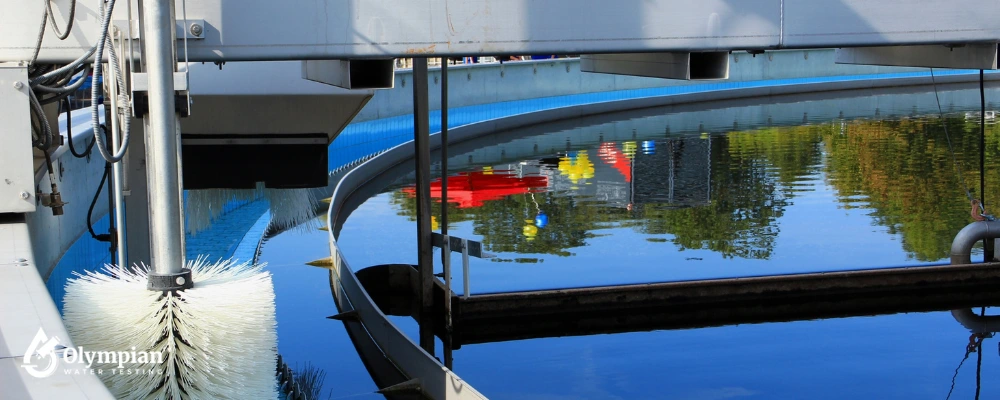
Chlorination is a common method of water treatment that involves adding chlorine to water to kill pathogens and improve its safety and quality. Here are some different methods of chlorination and their effectiveness:
- Liquid chlorine: Liquid chlorine is a concentrated form of chlorine that is added directly to water. This method is effective in killing pathogens and is widely used in municipal water treatment systems.
- Sodium hypochlorite: Sodium hypochlorite is a solution of chlorine in water that is used for water treatment. This method is effective in killing pathogens and is often used in small-scale water treatment systems.
- Calcium hypochlorite: Calcium hypochlorite is a solid form of chlorine that is added to water and then dissolved. This method is effective in killing pathogens and is often used in small-scale water treatment systems.
- Chlorine gas: Chlorine gas is a highly concentrated form of chlorine that is added to water. This method is effective in killing pathogens, but it requires specialized equipment and trained personnel, and it can pose safety risks due to its highly toxic nature.
- Chlorine dioxide: Chlorine dioxide is a form of chlorine that is used as a water treatment chemical. This method is effective in killing pathogens and is often used in large-scale water treatment systems.
The specific method of chlorination used will depend on the water source, the intended use of the water, and local regulations. Regardless of the method used, it’s important to monitor water quality regularly to ensure that it remains safe and suitable for its intended use.
The Science Behind Chlorination and How it Kills Harmful Bacteria
Chlorination works because chlorine eliminates the bad bacteria, viruses and other contaminants in water. The way chlorine functions is to break the cell walls of bacteria and other microorganisms and kill them. That’s oxidation, and happens when chlorine reacts with organics in water to create hypochlorous acid.
Chlorination is also affected by the pH of water. High pH water can weaken chlorination as the pH counteracts the hypochlorous acid and dampens its kill-factor. Alternatively, low-pH water may be more efficient for chlorination because the low pH keeps the hypochlorous acid active.
The Role of pH and Other Factors in the Effectiveness of Chlorination
Water pH is just one of many things that can interfere with chlorination efficiency. Other variables that can affect the performance of chlorination are organic materials (leaves, branches, etc) and inorganic materials (metals, minerals).
Organics can protect the contaminated bacteria by keeping chlorine from penetrating and killing the bacteria. Additionally, organic particles can react with chlorine to produce disinfection by-products that are toxic to people.
Adding organic material also can interfere with the effectiveness of chlorination as it reacts with chlorine to make chloramines, which kill microorganisms more poorly than hypochlorous acid. There are also metals and minerals that block chlorine’s ability to penetrate and kill pathogenic bacteria.
The Impact of Chlorination on the Environment and Human Health
Although chlorination is a successful water treatment process, it’s not for everyone. Another big problem with chlorination is the environmental and health effects.
Chlorination can be accompanied by toxic byproducts, like trihalomethanes and haloacetic acids. They are byproducts of which cancer, birth defects and other deadly diseases have been linked.
Furthermore, chlorination is bad for the environment as it kills good bacteria and other microbes in water. It can upend aquatic ecology and contribute to the illness of fish and other aquatic organisms.
What is the comparison of chlorination with other water treatment methods and their respective advantages and disadvantages?
Chlorination is just one of the many water treatments you’ll find to ensure the safety and quality of your drinking water. Below is a comparison of chlorination with other water treatment options, and their pros and cons:
Chlorination: Chlorination is an energizing water treatment process where chlorine is added to water to destroy pathogens and make the water safer to drink. The advantages of chlorination are that it kills pathogens effectively, it’s relatively inexpensive, and it’s very easy to do. The disadvantages of chlorination are that it produces harmful by-products (trihalomethanes) and it may be taste and odour problems.
Ozonation: Ozonation is water treatment by adding ozone (O2) to water to remove pathogens and clean water. Benefits of ozonation are the killing of pathogens and removal of a wider range of pollutants than chlorination. The downsides of ozonation are that it’s more expensive than chlorination and requires specialised machinery and staff.
Ultraviolet (UV) light: UV light is water treatment technology where water is exposed to UV light to eradicate pathogens. Benefits of UV light include its killing ability of pathogens and absence of toxicity by-products. Negatives: UV light can be counterproductive when working with turbid water, and requires special equipment and trained personnel.
Filtration: Filtration is water treatment process where the water is filtered to get rid of impurities and contaminants. The benefits of filtration include the removal of almost any kind of impurities such as sediment, bacteria and viruses. There are disadvantages of filtration such as filtering is often not effective in removing contaminants, for example, chemicals and the filter has to be maintained and replaced on a regular basis.
The kind of water treatment process you’ll want will depend on where you have water, what you want to use it for, and regulations. You’ll want to choose a water treatment system that works best for the conditions and needs of the water source and always check water quality to make sure it’s safe and appropriate for its purpose.
The Latest Advancements in Water Chlorination Technology
For all its flaws, chlorination is one of the most commonly applied water treatments. Many things have changed in the last few years regarding the technology of water chlorination, from the innovation of new and improved chlorination processes to the creation of new processes for the purification of water from undesirable byproducts.
One of the newest technology for water chlorination is ultraviolet (UV) light for water treatment. UV light kills bacterium and other pathogens in water, no chemicals or other preparations are required. This is a safe, efficient, and eco-friendly treatment that’s also becoming a more widespread substitute for chlorination.
Share this on social media:
Facebook
Twitter
LinkedIn

Related Posts