Understanding the Need for Regular Water Testing
Routine checks act as an early warning system for detecting unwanted elements in dual-purpose water supplies. Chemicals, bacteria, and minerals can significantly alter water quality, posing risks to communities. Given that different sources contribute pollutants, thorough evaluation is essential to identify trouble spots.
Preventing Contamination Signs
Small warning signs often hide larger problems. Discoloration, strange odors, or unusual tastes might signal deeper water contamination risks. Tests uncover impurities before they can harm people, pets, or the environment. Early detection allows for swift adjustments in treatment or infrastructure, minimizing threats to daily safety.
Ensuring Compliance with Guidelines
Staying current with water testing guidelines is vital to protect residents from unsafe conditions. Agencies like the Environmental Protection Agency establish quality standards to safeguard public health. Regular monitoring ensures water systems adhere to these standards, avoiding legal issues. This protection benefits both homeowners and industries by reinforcing trust and preventing unnecessary liabilities.
Exploring Key Factors That Affect Water Safety
Ensuring safe water is a collective responsibility for both households and businesses. Untreated sources introduce contamination risks, affecting public health and the economy. Maintaining high standards of industrial water quality is critical to prevent disruptions and protect essential services.
Effective monitoring is key to addressing each threat. This strategy reveals solutions that bolster the resilience of drinking water and manufacturing systems.
Chemical Contaminants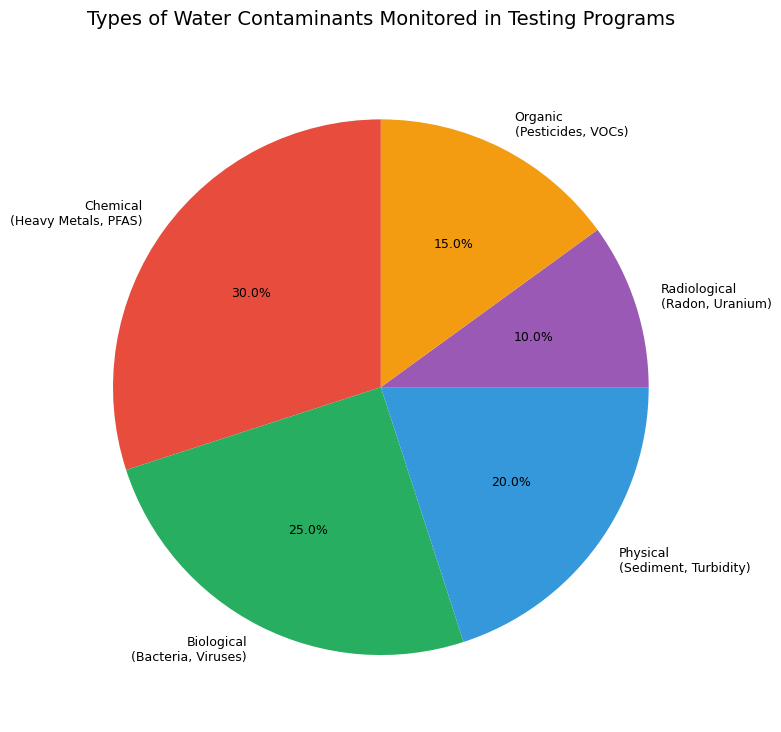
These contaminants can stem from natural deposits or human activities. Pollutants include:
- Arsenic from mineral deposits or farm chemicals
- PFAS linked to consumer products and manufacturing
- Lead leached from aging pipes
High levels of these substances can lead to health issues, ranging from digestive problems to long-term diseases.
Physical Impurities
Suspended solids reduce water clarity and increase turbidity. This environment fosters pathogen growth, hindering effective disinfection. Even small amounts of sediment can complicate water treatment processes.
Biological Hazards
Bacteria, viruses, and parasites spread through sewage overflow or poor management. Facilities facing contamination risks face significant financial losses. Disruptions, like those in Johannesburg, show how water quality failures impact businesses and communities. To mitigate these risks, robust testing and timely sanitization are essential.
Effective Water Quality Monitoring Methods
Accurate testing requires evaluating water through chemical, physical, and biological means. Chemical tests identify pollutants like nitrates, phosphates, and heavy metals. Physical assessments measure temperature, pH, and turbidity levels. Biological tests detect harmful microorganisms.
Many cities adhere to Environmental Protection Agency (EPA) guidelines. They blend traditional methods with modern technology. This combination ensures quick responses to any anomalies in water quality. Such a method is essential for maintaining public health and safety.
Industries also employ these strategies to ensure water quality. They collect data regularly, enabling them to make immediate adjustments if contamination is detected. This proactive approach helps safeguard water resources for communities nationwide.
Understanding Health Consequences of Unsafe Water
Waterborne pathogens and harmful chemicals pose significant health risks. The U.S. Environmental Protection Agency highlights the importance of water quality. This is critical for safeguarding communities and averting costly food recalls.
Contaminants can enter water systems through various means, including runoff and aging infrastructure. This poses immediate and long-term health risks for those reliant on municipal or private wells. Implementing regular monitoring is a proactive measure to manage contaminants effectively.
Potential Waterborne Illnesses
Pathogens like E. coli and Salmonella often cause stomach issues. Viral infections can spread, leading to widespread waterborne illnesses. Simple measures, such as boiling water or using reliable filtration systems, can mitigate these risks.
Harmful Chemicals and Their Effects
Drinking water can contain heavy metals or pesticides, which can harm health over time. These substances can affect the nervous system, cardiovascular health, and reproductive functions. It is essential to test water regularly to detect these contaminants before they become a serious threat.
Contaminant Type | Possible Health Effects | Common Source |
Bacterial (E. coli) | Gastrointestinal disease | Animal waste |
Heavy Metals (Lead) | Neurological damage | Corroded pipes |
Pesticides | Hormonal disruption | Agricultural runoff |
The Role of Public Agencies in Water Testing
Government agencies play a critical role in shaping water policy by enforcing strict water testing guidelines. They establish clear standards for monitoring water quality, ensuring the safety of communities. The U.S. Environmental Protection Agency (EPA) sets limits for over 90 contaminants, including harmful substances like lead and arsenic, under National Primary Drinking Water Regulations.
Local and Federal Regulations
Regulatory bodies at various levels work together to ensure drinking water remains free from harmful substances. Public systems must adhere to strict protocols that align with EPA rules. These protocols include regular checks for bacterial and chemical hazards. The rules mandate Maximum Contaminant Levels for more than 65 substances and require immediate action if these limits are exceeded.
Ensuring Transparency and Accountability
Public agencies require water systems to release annual Consumer Confidence Reports. These reports detail findings and compliance steps. Communities can learn about any treatment improvements or penalties arising from unsafe readings. This builds trust and sets clear expectations for ongoing quality.
Regulation | Focus | Enforcement |
Safe Drinking Water Act | Protects human health | Penalties for violations |
NPDWRs | Sets limits for 90+ contaminants | EPA oversight |
Chemical Contaminant Rules | 65 substances monitored | Corrective actions required |
Assessing Environmental Impact
The environmental impact of water profoundly shapes habitats, affecting every living creature. Pollutants entering lakes or rivers can lead to algae blooms and lower oxygen levels. SOCOTEC’s flow and water monitoring solutions help mitigate these threats early on.
Clean water is vital for fish, plants, and wildlife. Its importance grows when communities rely on it for drinking, farming, and recreation. Experts use real-time data to track contamination levels, aiming to minimize harm to biodiversity.
- Preserves local ecosystems by preventing nutrient overload
- Maintains healthy conditions for agriculture and fisheries
- Protects public health through early detection of hazards
Policymakers and environmental experts work together to enforce stricter testing and find balanced solutions. This collaboration supports local economies and preserves natural habitats for future generations.
Establishing a Routine Testing Schedule
Many communities adhere to water testing guidelines to protect public health. A regular schedule enhances monitoring water quality by catching issues early. This proactive approach helps households, municipalities, and industries prevent unexpected contamination.
Having a consistent schedule ensures quick action when unusual levels of microbes or chemicals are detected. Early detection prevents larger problems, maintaining water quality and saving costs.
Seasonal Changes
Temperature changes can influence bacterial activity across seasons. Heavy rainfall can lead to runoff, carrying sediment or fertilizers into water bodies. Coastal areas may face saltwater intrusion during specific seasons.
Common Testing Frequencies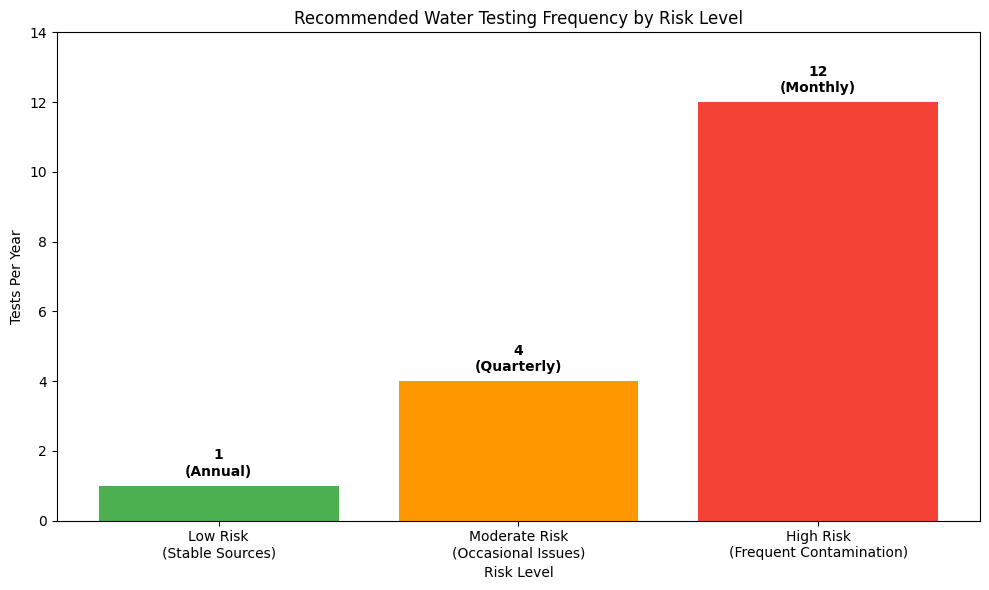
Regular monthly tests provide extra security in areas prone to pollution. For environments with moderate risks, quarterly checks are more suitable. Annual tests suffice for stable water sources with rare sudden changes.
Frequency | Reason |
Monthly | Helps detect frequent contamination events |
Quarterly | Balances cost and timely detection of issues |
Annual | Suitable for regions with low-risk conditions |
Comparing At-Home Kits and Professional Lab Tests
At-home kits offer a straightforward way to test water quality, detecting issues like hardness and pH levels. They are ideal for those who prefer simple, uncomplicated methods. Despite their ease, these kits might miss certain contaminants, which can be a problem in complex water sources.
Professional labs, on the other hand, provide a more detailed analysis. They employ advanced methods to identify heavy metals and pathogens. These labs adhere to Environmental Protection Agency standards, ensuring the accuracy of their results. This level of scrutiny is essential for industries, where water quality is a critical concern.
For those looking for a combination of convenience and thoroughness, mixing at-home kits with professional lab tests can be beneficial. The choice between these options depends on budget, time constraints, and the severity of the water quality issues. In cases where contaminants like lead or bacteria are a concern, professional labs are the best choice for early detection.
Ensuring Safe Drinking Water for Households
Families rely on clean, reliable water sources for their well-being. The right solutions prevent contamination and ensure comfort. Simple checks for flavor, color, and smell can detect early signs of trouble.
Filtration and purification systems, like carbon filters and reverse osmosis, are key. They remove pesticides, chemicals, and other impurities. Options like Integro™ also reduce mineral buildup, making it harder for bacteria to thrive.
Filtration and Purification
Homes often use a combination of treatments to combat different pollutants. A mix of technologies ensures cleaner water. Electronic anti-scale methods prevent rust, while carbon filters remove chlorine. Reverse osmosis membranes target harmful elements at a microscopic level.
Signs of Possible Contamination
Cloudy water or a foul smell are clear indicators of contamination. Metallic or bitter tastes can also signal hidden dangers. Being aware of these changes is critical for families to protect their water from contamination.
Protecting Aquatic Ecosystems through Monitoring
Clean rivers, lakes, and coastal areas are vital for both wildlife and local communities. Regular monitoring offers insights that aid in preserving these habitats across the United States and globally. It highlights the environmental impact of water and the significance of maintaining water quality.
Consequences of Neglect
Without monitoring, pollution can go unnoticed, leading to habitat loss. Harmful algae blooms can reduce oxygen levels, harming fish and plants. Pollutants from various sources can contaminate downstream areas, affecting wetlands and estuaries. This not only limits recreational activities but also threatens the livelihoods of those dependent on fisheries.
Collaborative Conservation Efforts
Public agencies, industries, and volunteers collaborate to share resources and data. They conduct regular tests of water parameters like temperature, pH, and dissolved oxygen. This ensures prompt action when conditions deteriorate. Such teamwork protects aquatic life and entire watersheds.
Parameter | Ideal Range | Impact on Marine Life |
Dissolved Oxygen | 5-9 mg/L | Supports fish respiration |
pH Level | 6.5-8.5 | Maintains healthy plant growth |
Temperature | Varies by region | Influences breeding cycles |
Addressing Industrial and Agricultural Pollution
Pharmaceutical, agrochemical, and petrochemical facilities heavily rely on industrial water quality for their operations. These facilities often release substances that can harm rivers and streams, posing significant water contamination risks to local communities. Fields treated with fertilizers can release nitrates and phosphates, altering the water supply in a region.
Protecting ecosystems requires careful handling of runoff and the adoption of advanced monitoring steps. Many producers are upgrading their waste management systems. They aim to minimize harm to fish, wildlife, and people who rely on these resources.
Sources of Chemical Runoff
Some operations directly discharge heavy metals and solvents into estuaries. Farms using pesticides often see these agents carried by rain into creeks. Companies like Dow and BASF have implemented stricter guidelines to reduce toxic flows. This highlights the urgent need for consistent oversight.
Mitigation Strategies
Cleaner production processes help safeguard industrial water quality in nearby regions. Strategies include using safer chemicals, reinforcing wastewater treatment, and tracking runoff patterns in real time. Public agencies collaborate with companies to promote best practices. This reduces water contamination risks for downstream users.
Pollutant Type | Impact | Recommended Action |
Heavy Metals | Soil Depletion | Upgraded Filtration |
Pesticides | Habitat Loss | Integrated Pest Management |
Fertilizer Runoff | Algal Blooms | Precision Application Tools |
Leveraging Technology for More Accurate Measurements
Digital advancements have transformed how organizations collect and interpret real-time data. IoT-based sensors continuously measure vital factors like pH, conductivity, and temperature. These devices connect to cloud platforms, storing and analyzing data throughout the water cycle. This setup provides instant alerts for any deviations from set parameters, helping to avert hidden problems.
Modern solutions are adopted to align with water testing guidelines. The combination of sensor accuracy and automated data transmission enables quick responses to contaminants. This leads to more efficient operations through predictive maintenance, reducing downtime and repair costs. Real-time analytics empower decision-makers, ensuring the reliability of water quality monitoring in both public and industrial systems.
Technology drives continuous improvement. Teams can track performance, detect anomalies, and conserve resources with minimal disruption. This proactive approach enhances reliability and protects public health.
Research shows that consistent monitoring of water quality can mitigate contamination risks early on. Adhering to water testing guidelines allows for the detection of subtle changes in pH or dissolved oxygen levels. This proactive approach ensures cleaner supplies and boosts confidence in daily operations. The results are clear.
Staying Informed and Taking Action
Reviewing local water quality alerts and examining recent test results can deepen understanding. This highlights the critical role of water quality in our daily lives. It’s essential to respond quickly to any changes to ensure safe drinking water. Tracking official guidelines on emerging concerns is also vital.
Communities and businesses benefit from regular assessments to pinpoint areas needing improvement. These efforts help reduce harmful bacteria and other contaminants. Prioritizing safe drinking water leads to better health outcomes and protects infrastructure.
Local agencies, private testing services, and advanced water analysis technologies collaborate to tackle issues. This collective effort supports the long-term health of neighborhoods, schools, and workplaces. By staying vigilant, we ensure that our water resources remain clean, reliable, and accessible for generations to come.
FAQ
Why is measuring water quality vital for public health and industrial processes?
Measuring water quality is essential for identifying contaminants like heavy metals, bacteria, and pesticides. This is before they pose risks to public health or disrupt critical industrial operations. By using real-time monitoring technology, organizations can ensure water safety. They also maintain compliance with EPA guidelines.
What role do seasonal changes play in routine water testing?
Seasonal factors like rainfall or increased agricultural runoff introduce more sediment, pesticides, and fertilizers into water sources. Regular testing during periods of high runoff helps detect emerging pollutants like nitrates and phosphates. This allows for timely preventive measures.
How do physical impurities affect water clarity and safety?
Physical impurities, including sediment or suspended solids, can alter water clarity (turbidity). They create environments where pathogens can survive. By closely tracking turbidity through IoT-enabled sensors or lab analyses, testing programs can quickly respond to contamination issues.
What types of chemical contaminants are commonly tracked during testing?
Commonly tracked contaminants include Volatile Organic Compounds (VOCs), heavy metals like lead and mercury, and excess nutrients such as phosphates. Monitoring these substances ensures that concentrations remain within safe limits. This prevents health hazards and protects aquatic ecosystems.
Why are biological hazards like Legionella and E. coli a major concern?
Legionella and E. coli bacteria can cause severe illnesses if ingested or inhaled (in the case of Legionella). Routine biological testing helps detect these organisms early. This prompts corrective actions like disinfection and filtration to maintain safe water supplies.
How do public agencies ensure transparency in water quality reporting?
Local health departments and federal bodies like the Environmental Protection Agency (EPA) often require regular publication of water testing results. This transparency holds water providers accountable. It maintains public trust by clearly documenting any detected contaminants and subsequent remediation steps.
Which treatment methods can households use to maintain safe drinking water?
Households can employ reverse osmosis, carbon filtration, or ultraviolet purification systems to remove contaminants. These include pesticides, harmful bacteria, and residual chlorine. Advanced solutions like Integro™ address scale buildup and bacteria, providing an additional layer of protection.
What innovative technologies assist in preventing wide-scale contamination?
Modern approaches rely on IoT sensors for real-time data collection, machine learning for predictive analysis, and automated alerts. These innovations allow institutions to act quickly if parameters like pH, turbidity, or heavy metals exceed safety thresholds.
Why is conservation important for aquatic ecosystems and biodiversity?
Pollutants like nitrogen or phosphorus can trigger excessive algae growth. This depletes oxygen and harms fish or plant life. Regular monitoring and responsible pollution management help protect aquatic habitats. They preserve biodiversity and support industries such as fisheries and tourism.
How do industrial and agricultural sectors contribute to water pollution?
Factories may release toxic substances like solvents or metals, while agricultural practices can lead to pesticide and fertilizer runoff. Mitigation strategies include advanced wastewater treatment, optimized chemical use, and partnerships with government agencies. These efforts reduce downstream water quality issues.
Are at-home testing kits sufficient for ensuring thorough water safety?
At-home kits can detect basic parameters such as pH and chlorine levels. For more detailed assessments—such as monitoring bacteria, protozoa, or trace heavy metals—professional lab analyses offer higher accuracy. They provide a broader testing scope.
What happens if contaminant levels exceed federal or local regulations?
Exceeding allowed contaminant levels can lead to risks for public health and legal consequences for water providers. Public agencies may issue fines or mandate corrective actions. This encourages continuous improvements in water treatment procedures.
How do regular water checks prevent large-scale environmental damage?
Frequent monitoring allows for early detection of rising contaminant levels, whether chemical or biological. Addressing these issues promptly—including filtration updates or process adjustments—helps prevent widespread harm to aquatic life. It reduces the likelihood of costly cleanup efforts.