Reverse Osmosis Filtration: A Global Solution for Purifying Water
- Published:
- Updated: December 16, 2024
Listen to this article
Summary
Clean water is a global necessity, met by solutions like reverse osmosis filtration, effectively removing contaminants. Bullets:
- RO utilizes a membrane to purify water, removing impurities through pressure.
- Benefits include versatility, compactness, and improved taste.
- Challenges include energy consumption, mineral removal, and waste production.
It is human need for clean, safe water to drink – but the world still struggles with it. Reverse osmosis filtration is one solution that comes to mind because of its performance.
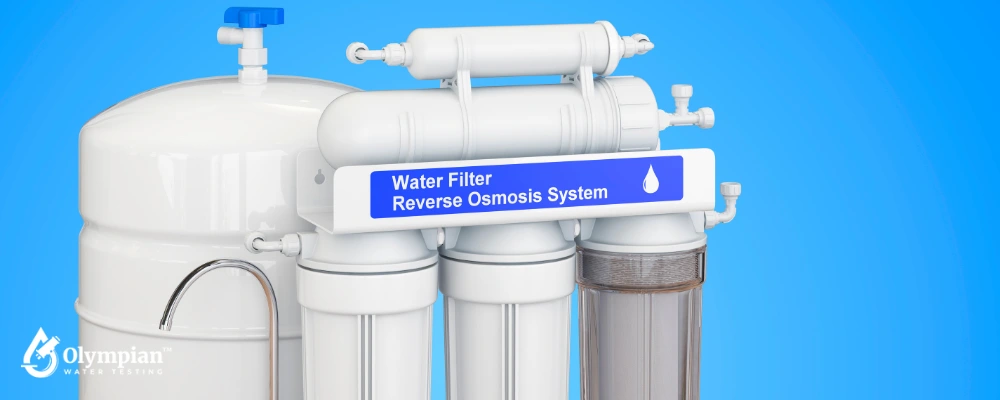
Reverse osmosis (RO) is a water purification system that uses a half-permeabilized membrane to draw ions, unwanted molecules and larger particles from the water you drink. The ‘reverse’ osmosis is the word because it involves pushing clean water through a membrane without the waste.
The term osmosis has a petty biology equivalent, a natural mechanism by which cells conserve water and dissolved matter. In reverse osmosis, we create external pressure to bring this natural cycle of water backward, from the concentrated solution (dirty water) to the weak solution (clean water).
The Process of Reverse Osmosis Filtration
The reverse osmosis filtration process is often done in a few steps. First, a pre-filter process screens out bigger particles like sediment and silt, which prevents the RO membrane from getting clogged. Then water flows pressured down the RO membrane. This phase cleans up all manner of pollutants, from bacteria and viruses to heavy metals and pesticides.
The purified water goes into a tank, and the purified water with the filtered contaminants (the brine) goes out. The water treated for use is generally finished with one last post-filtration cycle to clean out the water and rid it of lingering tastes or odours.
What are the Advantages of Reverse Osmosis Filtration?

This benefits reverse osmosis, and it’s why it’s become so popular for water treatment. One, it removes all kinds of stuff from microbes to chemicals, so it is super versatile. In addition, RO water can be reconditioned to increase the flavor, odour and color of water by eliminating the substances that make these happen.
Beyond all this, RO systems are small and easy to operate. They can be mounted near where you need them – like under a kitchen sink – and serve up fresh water in minutes. Maintenance: The main service involves periodically replacing filters and membrane, without any professional help.
What are the Limitations and Concerns of Reverse Osmosis Filtration?
Even RO filtration comes with drawbacks and issues. RO systems, for example, need a lot of pressure to run properly, and use more energy than other filtration systems. Also, they emit effluent as they filter, which is sustainability concern.
Additionally, although ROs are fantastic for cleaning out contaminants, they take minerals from water like calcium and magnesium away. Some people believe that this demineralisation might be health threatening in the long term, although whether this is significant is still controversial.
Comparing Reverse Osmosis with Other Filtration Systems
Reverse osmosis is one of many water filtration processes out there and each one has pros and cons. Activated carbon filters for example, do remove chlorine and organic compounds, but they do not remove heavy metals or bacteria. Distillation, meanwhile, can remove almost any contaminants, but is also energy-poor and slow.
RO is in a middle between these techniques. It can clean many different contaminants and makes water look more beautiful in a small, compact device. But its downsides – energy consumption, evaporation – should be taken into account.
Role of Reverse Osmosis in Solving Global Water Problems
With water shortage and pollution on the rise all over the world, reverse osmosis has been an essential tool for reducing these concerns. When freshwater isn’t available, RO is used to desalinate seawater, transforming a plentiful source into drinking water. RO systems can convert polluted water into safe drinking and cooking water, by purifying it from toxins like bacteria, viruses, heavy metals and even microplastics.
For industrially polluted areas where groundwater and surface water can be laced with toxic chemicals, RO is a good option to filter that water. Also, as the climate crisis exacerbates with the changing of water availability and quality, RO can serve as an open source solution to help get clean water wherever it’s coming from and whatever the contaminants might be in the water.
Real-World Applications of Reverse Osmosis Filtration
There are various applications of reverse osmosis, and they are versatile and efficient. Desalination facilities – big ones in Saudi Arabia, Israel and Spain – use RO to turn seawater into fresh water to meet their drinking water demands where there is limited freshwater.
The RO is a popular option in the house because of the taste and safety it adds to the tap water. They’re a part of drinking water, but they’re also put in kitchen appliances like coffee makers and ice machines to reduce scale build-up and extend product life.
RO is also extensively applied in industry. For example, breweries purify their water with RO before they brew so it doesn’t taste different. RO in pharma industry to create ultra-pure water for use in manufacturing.
Future of Reverse Osmosis: Innovations and Improvements
In the near future, reverse osmosis (RO) will likely see some new and improved ways to improve its performance and minimise its ecological footprint. Here are a few of the most promising innovations being pursued:
Membrane technology: Membrane technology is the base of reverse osmosis filter. The material and shape of the membranes will also be much more efficient RO. Researchers are working on nanocomposite membranes that are more selective, more permeabil and less fouling-prone. Such membranes can have higher water recovery and a lower energy input to filter.
Energies Efficiency: Reducing energy usage in reverse osmosis systems is an area that can use significant attention. Innovations target systems design, membrane permeability, and energy harvesting devices. Pressure-retarded osmosis (PRO) and forward osmosis (FO) for instance, are technologies that leverage osmotic pressure gradients to power RO (thereby saving energy).
Fouling Prevention: Fouling, which is an overflow of contaminants on the membrane surface, damages RO performance in the long run. For this reason, scientists are creating new anti-fouling coatings and surface changes that reduce fouling and increase membrane longevity. There are also improvements to membrane cleaning processes and regenerative methods that can improve system performance and help RO membranes last longer.
Desalination Efficiency: Reverse osmosis desalination process is an old desalination process that consumes fresh water, either from the sea or from brackish water. Current studies are focused on improving the desalination performance of RO plants. For example, investigating the use of high-pressure membranes, improved pre-treatment, and renewable energy (solar or wind) for desalination.
Waste Reduction: The best way to mitigate the waste from reverse osmosis system is to reduce the amount of waste produced. Concentrate — the waste product of RO — is tricky to dispose of in a safe way. We are working on novel concentrate handling technologies, brine treatment systems, zero liquid discharge and resource recovery from concentrate stream.
Reverse Osmosis Coupling with Renewable Power: ROT systems can be coupled with renewable energy in a way that reduces the carbon footprint of water treatment plants. RO systems can be made more environmentally and economically sound with solar, wind or hydropower, particularly when you are off-grid or live in an area where you do not have reliable energy sources readily available.
Smart and Autonomous Systems: Digitalization, automation, and artificial intelligence can streamline RO. Sensors with IQ and monitoring in real time can flag fouling, membrane wear or system issues for preventive maintenance and improved system performance. Self-healing control algorithms can adjust operation parameters (flow, pressure, rate of recovery) to get the best performance with the least energy.
If we’re smart about these, then reverse osmosis for the future promises a great deal in terms of improved efficiency, energy savings, water recovery and environmental stewardship. All of this will help solve world water problems, including water scarcity and clean water.
Share this on social media:
Facebook
Twitter
LinkedIn

Related Posts