
Where does waste water go in California?
- Published:
- Updated: May 27, 2025
Summary
In California, wastewater is collected through an extensive system of pipes and treated at specialized facilities to remove contaminants. The treatment involves primary, secondary, and sometimes tertiary processes to ensure the water is safe for the environment or reuse. Innovations like water recycling and indirect potable reuse are key to addressing water scarcity. Regulatory agencies oversee wastewater management to maintain water quality standards.
Key Points:
- Wastewater is treated through primary, secondary, and tertiary processes to remove physical, organic, and chemical contaminants.
- California leads in water recycling, transforming wastewater into a resource for irrigation, industry, and even potable reuse.
- Regulatory agencies ensure wastewater treatment facilities comply with environmental standards to protect public health and ecosystems.
Wastewater, once it exits residential or commercial establishments, embarks on a journey through an extensive network of underground pipes, pumping stations, and treatment facilities. The main objective of this system is to manage and treat wastewater effectively to protect public health and the environment.
Collection and Transportation
The initial stage of wastewater management involves the collection and transportation of wastewater from various sources. This process starts with the intricate network of residential plumbing that connects to municipal sewer systems, ensuring wastewater is efficiently directed away from populated areas.
California’s wastewater infrastructure comprises an extensive network of sewers that transport wastewater to treatment plants. The design and maintenance of these systems are crucial, involving regular inspections and upgrades to prevent leaks and overflows that could harm the environment.
These sewer systems are designed to handle both sanitary sewage and, in some areas, stormwater runoff. The dual capacity of these systems is vital in regions prone to heavy rainfall, helping to prevent flooding and water contamination during storms.
Treatment Processes
Upon reaching a wastewater treatment facility, the water undergoes several treatment processes aimed at removing contaminants and ensuring compliance with environmental standards. Each treatment stage is tailored to address specific pollutants, making the process both comprehensive and effective.
California employs a combination of primary, secondary, and sometimes tertiary treatment methods to achieve this. The choice of treatment technologies is influenced by factors such as the volume of wastewater, types of contaminants, and the intended use of the treated water.
Innovations in treatment technology are continually being integrated into California’s facilities, enhancing efficiency and reducing the environmental footprint of wastewater management. By investing in cutting-edge solutions, California aims to set benchmarks for sustainable wastewater practices.
Primary Treatment
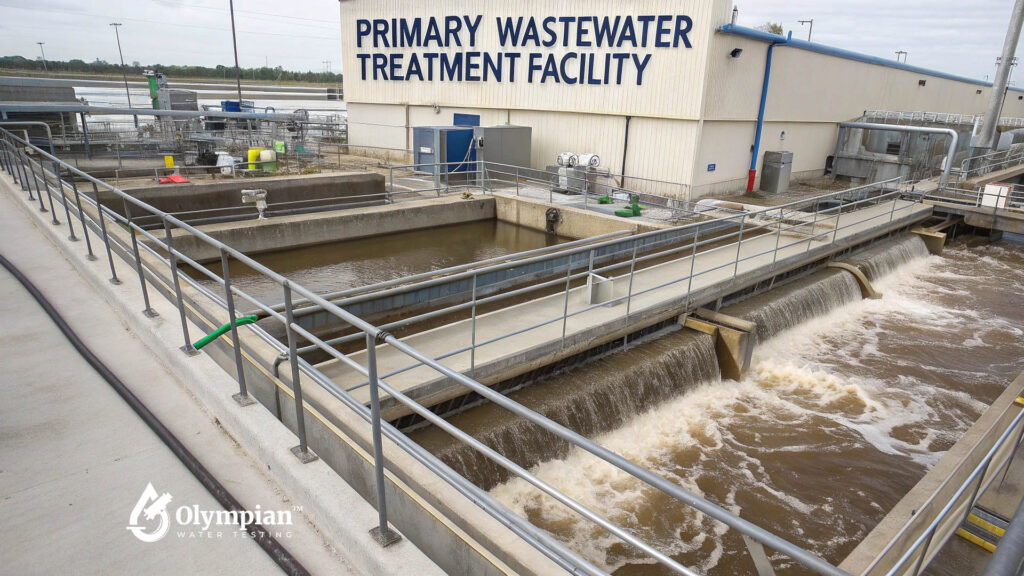
Primary treatment is the initial phase, where physical processes are employed to remove large solids and suspended particles from wastewater. This phase is essential for preparing the water for more intensive biological and chemical treatments that follow.
This typically involves screening, sedimentation, and skimming processes. Screens are used to trap large debris like plastics and rags, while sedimentation tanks allow heavier solids to settle at the bottom, forming sludge that can be further processed.
The goal is to reduce the load of organic matter and particulate matter before proceeding to more advanced treatment stages. By effectively removing these large pollutants early on, primary treatment helps protect downstream equipment and processes from damage and inefficiency.

Secondary Treatment
Secondary treatment employs biological processes to further purify wastewater. This stage is crucial for breaking down dissolved and fine suspended organic matter that cannot be removed through physical means alone.
Activated sludge processes and biofilm systems are commonly used, where microorganisms break down organic matter in aerated environments. In activated sludge systems, air is pumped into large tanks to foster microbial growth, while biofilm reactors utilize surfaces on which microorganisms can attach and thrive.
This stage significantly reduces the biochemical oxygen demand (BOD), a critical parameter in assessing wastewater quality. Lowering BOD is vital for preventing oxygen depletion in receiving water bodies, which can harm aquatic life and ecosystems.
Tertiary Treatment
In some facilities, tertiary treatment is implemented to achieve higher water quality standards. Tertiary processes are designed to remove remaining impurities that secondary treatment may not address, such as nutrients and pathogens.
This may include filtration, nutrient removal, and disinfection processes. Filtration systems remove remaining solids, while nutrient removal targets compounds like nitrogen and phosphorus that can cause algal blooms in aquatic environments.
Tertiary treatment is particularly important when the treated water is destined for sensitive ecosystems or for reuse applications. By achieving higher purity levels, tertiary-treated water can be safely used for purposes such as irrigation, industrial use, or even potable supply after further treatment.
Advanced Water Recycling in California
California is a pioneer in water recycling, driven by its unique climate challenges and the need for sustainable water management. Water recycling not only helps conserve water but also reduces the environmental impact of wastewater disposal.
Water recycling involves treating wastewater to produce "recycled water" that is safe for various purposes such as irrigation, industrial processes, and even indirect potable reuse. This process transforms wastewater from a liability into a valuable resource that supports California’s water needs.
Public awareness and acceptance of water recycling are increasing, with educational campaigns highlighting the safety and benefits of recycled water. As more communities embrace recycled water, California continues to lead in sustainable water practices.
Indirect Potable Reuse
Indirect potable reuse involves introducing highly treated wastewater into natural water bodies, such as aquifers or reservoirs, before it is used as a drinking water source. This method helps augment drinking water supplies in areas where traditional sources are insufficient.
This innovative approach is gaining traction in California, providing a reliable water supply in regions facing water scarcity. By carefully monitoring and regulating the quality of water in these natural reservoirs, indirect potable reuse offers a sustainable solution to meet growing demand.
The success of indirect potable reuse depends on advanced treatment technologies and robust monitoring systems to ensure public health and safety. California’s regulatory framework supports these initiatives, fostering innovation while maintaining rigorous quality standards.
Water Quality Analysis and Environmental Monitoring
A crucial aspect of wastewater management is ensuring the treated water meets stringent quality standards. Regular monitoring and analysis are essential for verifying that treatment processes effectively remove contaminants and that discharged water is safe for the environment.
Water quality analysis laboratories play a pivotal role in this process, conducting comprehensive tests to monitor parameters like nutrient levels, pathogens, and chemical pollutants. These labs utilize state-of-the-art equipment and methodologies to provide accurate and reliable data.
The results of water quality analyses inform decision-making and help identify areas for improvement in treatment processes. By maintaining high standards of water quality, California protects both public health and the ecological integrity of its waterways.
Importance of Water Quality Analysis
Water quality analysis ensures compliance with regulatory standards set by agencies such as the California State Water Resources Control Board. These standards are designed to protect water bodies and public health by setting limits on specific pollutants.
It involves testing for a wide range of parameters including pH, dissolved oxygen, heavy metals, and emerging contaminants. Emerging contaminants, such as pharmaceuticals and personal care products, are of particular concern due to their potential impacts on health and the environment.
This analysis is essential for protecting public health and maintaining ecological balance. By understanding and addressing the presence of various pollutants, California can implement strategies to mitigate their effects and preserve its water resources.
Addressing Water Quality Issues
In cases where water quality issues arise, swift action is necessary to mitigate potential impacts. Identifying the sources of contamination is critical for developing effective remediation strategies that prevent further harm.
Environmental consultants and water quality experts collaborate to identify the sources of contamination and develop strategies to address them. These strategies may involve upgrading treatment facilities, enhancing monitoring programs, or adopting new technologies to improve water quality.
This may involve improving treatment processes, repairing infrastructure, or implementing best management practices in surrounding areas. By adopting a proactive approach, California can ensure its water management systems are resilient and adaptable to future challenges.
The Role of Regulatory Agencies
Regulatory agencies in California, such as the State Water Resources Control Board and regional water quality control boards, oversee wastewater management practices to ensure compliance with environmental laws and standards. These agencies play a crucial role in protecting water resources through regulation and enforcement.
Permitting and Compliance
Facilities involved in wastewater treatment and disposal must obtain permits that outline specific discharge requirements and monitoring obligations. These permits are tailored to the unique conditions of each facility, taking into account factors such as location, capacity, and types of wastewater treated.
Compliance with these permits is critical to preventing pollution and safeguarding water resources. Regular inspections and audits by regulatory agencies help ensure facilities adhere to permit conditions and identify any areas for improvement.
Failure to comply with permit requirements can result in penalties and corrective actions, emphasizing the importance of maintaining high standards in wastewater management. By enforcing compliance, regulatory agencies help protect California’s water resources from contamination.
Innovations and Future Challenges
California continues to innovate in wastewater management, investing in research and technologies that enhance treatment efficiency and resource recovery. These innovations include advanced filtration systems, energy recovery processes, and the use of artificial intelligence to optimize operations.
However, challenges remain, including addressing emerging contaminants, adapting to climate change impacts, and ensuring equitable access to water resources across diverse communities. Climate change poses significant risks to water availability and quality, necessitating adaptive strategies in wastewater management.

Ensuring equitable access to clean water is also a priority, as underserved communities may face greater challenges in maintaining water quality. By addressing these challenges, California can continue to lead in sustainable water management and protect its precious water resources for future generations.
Conclusion
Wastewater management in California is a multifaceted endeavor that integrates advanced treatment technologies, rigorous water quality analysis, and proactive regulatory oversight. The state’s commitment to sustainable water management is evident in its leadership in water recycling and innovative reuse strategies.
By understanding the journey of wastewater and the importance of maintaining high water quality standards, we can appreciate the complexity and significance of these systems in preserving California’s precious water resources. As environmental science students or stakeholders in water quality, gaining insights into these processes equips us with the knowledge to contribute to a sustainable and resilient water future.
By fostering innovation, ensuring compliance, and addressing emerging challenges, California sets a model for effective wastewater management that other regions can emulate. This dedication to sustainability not only benefits the state but also serves as a beacon for global efforts in water resource management.
Share this on social media: