Iron and Drinking Water: Debunking Common Misconceptions
- Published:
- Updated: January 2, 2025
Listen to this article
Summary
Iron in drinking water often causes concern due to myths and misconceptions. Understanding the science and facts helps manage its presence effectively.
- Sources: Natural geology, corrosion in iron pipes.
- Misconceptions: Iron is always dangerous, always stains fixtures, any treatment system works.
- Health and Taste: Essential for health, rarely hazardous; may affect taste/smell based on type and concentration.

Iron, one of the common elements in Earth’s crust, can often be found in our water, which brings with it a number of concerns and misperceptions. We hear all sorts of falsehoods about iron in water, which usually engender unnecessary panic or incorrectly tried-and-true solutions to never-abated issues. To know what exactly iron is, how it effects water quality, flavour, appearance and health, we must go to the science and data to see.
What is Iron, and How Does It Get into Drinking Water?
Iron is a basic element in soil and rocks. It can be found in bottled water from nature or from human intervention. Though we need iron for human health, most notably to transport oxygen in the bloodstream, excess or poorly treated iron in water can have all sorts of problems.
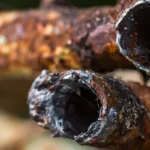
Where drinking water contains iron depends on the geology of the site, the kind of water it is coming from and the pipes through which it is pumped. The iron can corrode naturally in water and iron pipes can be corroded to add iron. Getting an idea of how iron finds its way into the water is the very foundation of managing and treating it.
Misconception: Iron in Water is Always Dangerous

Iron in drinking water — A widespread misconception — is itself harmful. It might stains and spoil the taste, but it isn’t really a health risk. Iron is necessary for normal biological activity, and most humans are fine with normal iron levels in water.
But the very high levels of iron, which are extremely rare, can be dangerous, especially for people with a certain illness, such as hemochromatosis. Remember that iron in water isn’t usually a public health issue, and knowing what your water has in terms of levels and types will allow you to take steps to reduce it.
Misconception: All Iron in Water Stains Fixtures and Laundry
Another misunderstanding is that all iron in water stains fixtures and clothes. It’s true that iron will stain orange or brown, but not all iron and at different levels will. These are depending on the pH value, iron content (ferrous or ferric) and interactions with other minerals and chemicals to get them stained.
You will have to know what type of iron your water contains if you are going to deal with staining. The right testing, treatment and prevention protocols for the specific scenario can decrease or even remove staining without reacting negatively to the mere presence of iron.
Testing for Iron in Drinking Water: Myths and Facts
When it comes to testing for iron in drinking water, several misconceptions may lead to incorrect conclusions or unnecessary interventions. Testing is not always as simple as it may seem, and professional guidance is often necessary for accurate results.
Some myths and facts about testing for iron in water include:
- Myth: Any testing kit will give accurate results
- Fact: Specific testing methods and kits are designed for different types and levels of iron
- Myth: Iron testing results are instantly actionable
- Fact: Interpretation of test results often requires professional expertise to guide proper treatment or intervention
Understanding the limitations and best practices in testing is crucial to addressing iron issues effectively and avoiding unnecessary or incorrect actions.
Misconception: Any Treatment System Can Remove Iron
That any water treatment plant can purge iron is another common myth. All the above methods remove or diluent iron, but how well a treatment works varies with iron type and content, pH of water, and more.
Systems for treatment need to be carefully selected and configured, cognizant of the context. Broadly based or misdirected treatment plans can perpetuate problems, or compound problems. Consulting experts and system selection are key to iron management for water quality and security.
The Real Impact of Iron on Taste and Smell
The influence of iron on taste and odour in tap water is another subject that is rife with misconception. There are iron species and iron concentrations that change the sensory properties of water, but this is not always the case. What iron tastes and smells like depends on things such as its shape, concentration and interaction with other chemicals in the water.
Learning when and how iron influences taste and odour can avoid reactionary overreaction and point the way. Iron is not all sensory disruption, and acknowledging what iron’s true effect is can make for better water and more educated choices.
Iron and Health: Separating Fact from Fiction
Iron’s relationship with human health is not clear, and misunderstood. Iron is needed for many things in the body, like oxygenation, but too much or too little iron causes diseases. Truths about the dangers or benefits of iron in drinking water cause unnecessary alarms or misguided attempts to change iron intake.
If one knows the body’s need for iron, how iron may react in water, and individual health requirements, the correct measures can be made. This could be made by consulting with medical professionals and managing your water, so you know what iron does for you, and how to manage it.
Preventing Iron Issues: Practical Tips and Misunderstood Practices
To avoid iron contamination in drinking water is not just a matter of responding to what you see as an anomaly. When you know where, how, and why the iron in your water comes from, and take precautions and care, water can still taste and feel good.
Iron-management practical guidelines include frequent testing, knowledge of the local geology, the selection of treatment equipment and maintenance of plumbing and water systems. The sooner the myths and misconceptions regarding iron prevention are removed, the more proactive you can be.
Conclusion: Addressing Iron in Water
How to deal with iron in water is something you should know and do. Tests are precise, treatment protocols are targeted, and professionals are on the job. Iron is necessary for the health but too much should be managed carefully. It can be riddled of myths about iron’s risks and effects to make solutions work and water can be safe and pleasant to drink. With facts and practices, water quality will not be brought into a resident’s mind that isn’t required.
Share this on social media:
Facebook
Twitter
LinkedIn

Related Posts