Why Measuring Water Hardness and Taking Corrective Actions Can Improve Your Life
- Published:
- Updated: November 26, 2024
Listen to this article
Summary
Understanding water hardness is crucial for a better quality of life. Here’s why:
- What is Water Hardness? Water hardness refers to mineral content, impacting appliance efficiency and hygiene.
- Consequences of High Hardness: Mineral buildup in pipes and reduced soap effectiveness are common issues.
- Taking Corrective Actions: Installing softeners or reverse osmosis systems can mitigate these problems.

The water hardness (ie, the amount of dissolved minerals in the water) can make a major difference in everyday life. From impacting how well household appliances function, to impacting hygiene and health, water hardness should not be dismissed. With the measurement of water hardness and corrective measures, people can live a better life by having clean, safe and efficient water for everyday needs.
What is Water Hardness and Why is it Important to Measure it?
The hardness of water is a gauge of minerals (calcium and magnesium) in your water. These minerals are necessary for health and can be found in all water bodies. But too much hard water can be bad for your home, ranging from mineral deposits on pipes and appliances to the diminishment of soaps and detergents.
How you measure your water hardness is one thing that will make you more comfortable. You can find out how much minerals are present in your water by measuring the hardness of water and you can fix any issues that high water hardness might be causing. The measure of water hardness will also enable you to make a better choice about the right water treatment system for your house, and how well any water treatment system you may already have is working.
The Consequences of High Water Hardness and How Measuring Water Hardness Can Help

High levels of water hardness can cause a range of problems in your home, including:
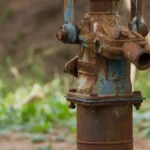
- Buildup of mineral deposits in your pipes and appliances: High levels of water hardness can cause mineral deposits to buildup in your pipes and appliances, reducing their efficiency and leading to the need for frequent repairs and replacements. These mineral deposits can also cause damage to your pipes and appliances, reducing their lifespan and increasing the cost of maintenance and repairs.
- Reduced effectiveness of soaps and detergents: High levels of water hardness can reduce the effectiveness of soaps and detergents, making it more difficult to clean your clothes and dishes, and leaving mineral deposits on your skin and hair. This can result in dingy looking clothes and dishes, and can also cause skin irritation and dryness.
- Increased risk of skin irritation: High levels of water hardness can increase the risk of skin irritation, especially for those with sensitive skin. The mineral deposits left on your skin after bathing or showering can cause itching, redness, and dryness, and can also exacerbate skin conditions such as eczema and psoriasis.
Measuring water hardness can help to address these problems by providing you with accurate and reliable measurements of the hardness of your water supply. This information can then be used to take steps to reduce the levels of water hardness, such as installing a water softener or reverse osmosis system, and to improve the quality of your water.
The Benefits of Taking Corrective Actions and The Role of Professional Water Testing Services
Taking corrective actions to address high levels of water hardness is an important step in improving your quality of life. There are several steps that you can take to address high levels of water hardness, including:
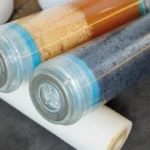
- Installing a water softener: Installing a water softener can help to remove minerals from your water supply, reducing the levels of water hardness and improving the quality of your water. Water softeners work by exchanging the minerals in your water supply with sodium ions, resulting in softer water that is free of mineral buildup and deposits.
- Using water-softening soaps and detergents: Using water-softening soaps and detergents can help to reduce the buildup of mineral deposits on your skin and hair, and can also help to improve the effectiveness of your cleaning products. These products are specifically designed for use with hard water and can help to ensure that your clothes and dishes come out looking clean and bright.
- Installing a reverse osmosis system: Installing a reverse osmosis system can help to remove minerals from your water supply, reducing the levels of water hardness and improving the quality of your water. Reverse osmosis systems work by filtering your water supply through a semi-permeable membrane, removing minerals and other impurities and leaving you with clean, fresh water.
Professional water testing services can play a key role in measuring water hardness and taking corrective actions to address high levels of water hardness. These services can provide you with accurate and reliable measurements of the hardness of your water supply, and can also provide you with recommendations for water treatment systems that are best suited to your needs. Professional water testing services can also help you to determine the effectiveness of any water treatment system that you may already have in place, and can provide you with ongoing support and maintenance to ensure that your water treatment system continues to perform optimally.
The Impact of Hard Water on Plumbing and Appliances
Your plumbing and appliances will be damaged from hard water — the mineral build-up will impact efficiency. Minerals over time corrode your pipes and appliances, causing leaks and needing frequent repairs. Besides, hard water will also make your hot water heater more work and more energy, so you’ll pay more for your energy costs and replace the hot water heater more often.
It is best to measure your water hardness and correct it before hard water causes damage to your plumbing and appliances. You can have a water softener or reverse osmosis system to remove minerals from your water source and stop the mineral deposit accumulation of your plumbing and appliances.
The Benefits of Soft Water for Your Skin and Hair
Your skin and hair can get dry and itchy due to hard water. The mineral buildup that can sit on your skin after you have bathed or showered can make it itchy, red, dry and even worsen skin diseases like eczema and psoriasis. Hard water can also make your hair sour and lifeless, and it’s hard to manage and style.
The soft water on the other hand can work for your skin and hair to make them soft, smooth and hydrated. Soft water doesn’t hold mineral deposits, it’s less likely to irritate and dry your skin and hair. Also, soft water can make your soaps and shampoos work even better, so your skin and hair look and feel clean and fresh.
The Importance of Maintaining Your Water Treatment System
You can get water treatment systems like a water softener or reverse osmosis system, which are good ways to lower the hardness of your water and make your water healthier. But your water treatment system needs regular service so it continues to work effectively and for a longer time.
Maintenance on your water treatment system can maintain it, as well as help you make sure your water is free of mineral deposits and other contaminants. Also, regular maintenance can detect any issues with your water treatment system that might occur and prevent it from becoming worse and costly to replace.
Share this on social media:
Facebook
Twitter
LinkedIn

Related Posts