What Yonkers Needs to Understand About Chlorine in Water
- Published:
- Updated: January 20, 2025
Listen to this article
Summary
Understanding chlorine in water is vital for Yonkers residents. Key points include:
- Chlorine’s role as a disinfectant ensures clean water but can cause taste and odor issues.
- Monitoring chlorine levels is crucial; over-chlorination poses health risks, while under-chlorination compromises safety.
- Alternatives like UV and ozone treatment offer effective disinfection with different advantages and limitations.

Organochlorines and persistent organic pollutants (POPs) have a special place in the broad list of environmental pollutants, as they persist for so long and have so powerful effects on ecosystems and on human health. These drugs, once popular for their various uses, are now the world’s big concern. And once they’re deposited in the wild, they ripple down the food web, from microscopic to human.
The Science Behind Chlorination
As chlorine is a strong disinfectant, it kills the unwanted bacteria and viruses in water. Its oxidizing action destroys the cell walls of these microbes, killing them off and removing pathogens from the water we drink. But chlorine’s adoption was first documented in the early 20th century – an era in public health where waterborne illness went on the back burner.
To put chlorine in water, chlorination is what the name suggests. But here’s the thing – in some water sources, chloramination is the default. To chloramine, chlorine is mixed with ammonia. There are advantages of this approach like more long-lasting water treatment and less creation of disinfection wastes than chlorination.
Benefits of Chlorine in Water Systems
Health and safety of citizens are important things, and chlorine has always been there as a trusted partner. Floods, cholera and typhoid were once real issues, but chlorination has put the issue behind us. The end product is clearer, cleaner water that is a whole lot safer to drink. Besides preventing disease, chlorine helps with algae and molds, thus making the water much better.
Chlorination wins out on the economics as well. It’s affordable to install and operate chlorine water treatment systems, especially in large scale. This is, for a city like Yonkers, great water treatment without the expensive costs of a water treatment plant to keep everyone’s water clean and safe without going to the money guys.
The Potential Drawbacks of Chlorine
Chlorination isn’t perfect, and like all methods of treatment, it comes with costs. Its citizens also rail against the strong taste and smell of chlorinated water, which sometimes smells like swimming pools. It produces this characteristic smell due to the chlorine reacting with the plant material in the water.
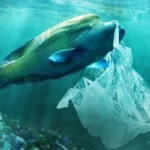
There’s also the question of the environment when it comes to chlorine. Chlorine can give off by-products called trihalomethanes (THMs) if exposed to water. They’ve been associated with some health hazards when taken in disproportionate doses over time. Second, chlorine residues that are left over from disinfection can be problematic if they end up in the natural waters, damaging aquatic life.
Safe Chlorine Levels in Drinking Water
Drinking Water Chlorine Levels that are safe To Consume Safe Chlorine Contents in Water.
And the chlorine levels in bottled water need to stay below safe levels. Chlorination too much is as harmful as over-chlorination too little. Regulation agencies like the EPA and WHO have set limits for permissible levels of chlorine:
Maximum Residual Disinfectant Level (MRDL) for chlorine: 4 mg/L.
Suggested dosage for good disinfection but no loss of taste: 0.2-0.5 mg/L.
Those rules are always enforced and checked in Yonkers. Contemporary testing at the treatment plants and across the distribution system makes sure people are getting safe and delicious water.
Alternatives to Chlorine in Water Treatment
Chlorine is still the leading disinfectant for water, but there are others catching on. Such methods include UV disinfection (using UV rays to kill off germs). It’s a good approach, one that does not use chemicals in the water. But it has a downside, no residual disinfection, which means bacteria will reproduce in the distribution system.
A different method is ozone treatment. It’s about churning ozone gas through water to disinfect bacteria and viruses. It offers benefits like better tasting and smelling water, but deploying ozone generators can cost municipalities, Yonkers included, a bundle.
Chlorine and Home Water Systems
Thousands of Yonkers people might be wondering about the chlorine and their home water supply. Filters, softeners and purification equipment have their own special connections to chlorine. Activated carbon filters, for example, are sometimes used to make chlorine taste and smell more pleasant to drink.
But even if locals do want to completely filter chlorine out of tap water, they’ll have to be cautious. And it might make it taste better, but chlorine remover leaves space for bacteria to repopulate. Before you take a decision, always check with water quality experts and know the consequences of reshaping the chemistry of the water.
The Global Perspective: How Other Cities Handle Chlorination
Water treatment is a matter that cities all over the world have approached in a range of different strategies and approaches. Amsterdam and Zurich in Europe, for example, are now extensively using advanced filters with UV disinfection instead of chlorination.
On the other hand, chlorination is a mainstay in most poor countries because it is cheap and easy to do. Two lessons here for Yonkers: when you are looking at more efficient practices, you’ve got to work with the costs and the benefits while making sure no residents are left without clean water.
Community Involvement in Yonkers' Water Safety
The public education component of any water safety campaign is the heart of any program. The right amount of information and Yonkers’ residents could be the difference in maintaining or even improving water quality in Yonkers. Participatory activities such as water testing days or public information meetings can build confidence and openness between agencies and citizens.
What’s more, there are numerous channels for residents to get involved. Water boards regularly have public meetings and most municipalities have resources online on water quality reports and planned infrastructure work. Be informed, be empowered and the educated community is the one who has the most chance of protecting its water quality.
Environmental Impact of Chlorine By-products
Chlorine for water treatment is not unenvironmental. Decontamination by-products like trihalomethanes (THMs) and haloacetic acids (HAAs) harm people and aquatic organisms. These wastes are created by the chlorine reacting with organic materials in the water. Excessive consumption of these compounds has been associated with many diseases such as cancer and reproductive problems. What’s more, chlorine waste that reaches natural waterways also saturates ecosystems by disrupting the lives and reproduction of aquatic life.
Conclusion: Key Insights on Chlorine in Yonkers' Water
It’s critical to public health and environmental safety to know how chlorine enters Yonkers’ water supply. Chlorine cleans water well but its waste products and health hazards highlight the need to be vigilant and look at alternatives. Equalizing the cost and benefits of chlorination will keep Yonkers’ water clean and reliable.
Share this on social media:
Facebook
Twitter
LinkedIn

Related Posts