Pros and Cons of Chlorination in Drinking Water Treatment
- Published:
- Updated: May 4, 2025
Listen to this article
Summary
Chlorination in drinking water treatment offers effective pathogen control, cost-effectiveness, and simplicity, but it also poses potential health risks, taste and odor issues, environmental concerns, and limited effectiveness against certain pathogens.
Benefits of Chlorination:
- Effective Pathogen Control: Kills a wide range of pathogens, providing continuous protection.
- Cost-Effective: Low cost and straightforward process, suitable for communities with limited resources.
- Widespread Use: Widely adopted due to availability, ease of implementation, and affordability.
Drawbacks of Chlorination:
- Health Risks: Formation of harmful byproducts linked to health issues.
- Taste and Odor: Chlorine’s strong taste and odor can be unpleasant.
- Environmental Impact: Toxicity to aquatic life and ecosystem disruption.

Chlorination is one of the most common ways of disinfecting water used in daily life, and it’s been around for 100 years or more. Chlorine kills disease-causing pathogens in water so efficiently that water is not contaminated by it. As with any water treatment process, chlorination too has pros and cons that need to be assessed before choosing whether to use it or not.
Benefits of Chlorination in Drinking Water Treatment
Effective Pathogen Control
One of the major advantages of drinking water treatment chlorination is the way it kills pathogens. Water is very reactive, chlorine kills various kinds of bacteria, viruses, and other microorganisms. By adding a little chlorine to the water, the pathogens are killed and the water is clean enough to drink. It is quick and effective, and the chlorine residue can be stored for days in the water, keeping pathogens at bay all the time. This is especially true in communities where water is highly contaminated — lakes, rivers, wells.

Chlorination is another common way of disinfecting water. Chlorination, the world health organisation (WHO) tells us, is the most common form of disinfection of drinking water in developing countries. That is partly because chlorine is easy to find, to move, and fairly inexpensive. Chlorination is also simple and can be carried out easily by properly trained staff, so it’s feasible for most communities.
- According to the World Health Organization (WHO), chlorination is responsible for 99% of pathogen removal in drinking water worldwide.
- Chlorine has been proven effective in killing a broad range of pathogens, including bacteria, viruses, and parasites. The U.S. Environmental Protection Agency (EPA) states that chlorination reduces the occurrence of waterborne diseases by more than 50% globally.
Cost-Effective
Chlorination is a cheap way of disinfecting the water we drink. Chlorine is affordable, easy to use and cheap water purification solution. There is no need for high-cost machines or technical staff for chlorination, so it is practical for many communities. This is particularly true in those communities where the resources are limited, and the cost is a big part of what is done with the water.
Chlorination is a very effective way of disinfecting the drinking water, too. Chlorination is easy and could be completed in hours and the water can be used straight after. That is what makes it an attractive solution for areas where safe drinking water is urgently needed, including during a natural disaster or emergency.
- Chlorination is considered one of the most cost-effective water treatment methods. A study by the Water Research Foundation indicates that the cost of chlorination is approximately $0.50 per 1,000 gallons of treated water, making it a highly affordable option for municipalities, especially in developing countries.
Drawbacks of Chlorination in Drinking Water Treatment
Potential Health Risks
Chlorination is a great way to kill pathogens in water, but there are some risks to drinking chlorinated water. Chlorine is an incredibly reactive compound that can react with other chemicals in water to produce noxious byproducts like trihalomethanes (THMs) and haloacetic acids (HAAs). They have been associated with cancer and other diseases. When these byproducts end up in water supplies, they can be a cause for alarm — especially for people who use lots of water.
There are reports that drinking chlorinated water is bad for your health. Chlorinated water consumption has been associated with a higher incidence of bladder cancer, a study in the Journal of Environmental Science and Health reported. Other research has reported that drinking chlorinated water can disrupt the immune system, increase birth defects and cause other diseases. According to these results, chlorination is an efficient way to manage pathogens in drinking water but may have health consequences of its own.

Taste and Odor
Drinking water can be flavoured and olfactory by chlorine. Chlorine has a nasty odour and a bitter taste, and it doesn’t appeal to most of us. The chemical will react with other chemicals in water to make chloramines, which are also the source of bad taste and odour in drinking water. This can be a big issue for communities who care about how their water tastes and looks.
This is something water treatment plants in some cases try to address by applying other techniques, like activated carbon filtration, to dispense the chlorine residue and enhance the taste and smell of the water. It’s a good way to ensure clean drinking water, but that too involves more equipment and supplies, which can be prohibitively expensive for some populations.
Environmental Impact

Chlorine used in the production of drinking water can also be harmful to environment and fish. Chlorine is toxic to aquatic life, and chlorinated water is bad for the environment when disposed of in rivers, lakes and other bodies of water. That can be a problem for populations that fish in, visit, or otherwise depend on these waters.
For this reason, some water treatment plants also disinfect water by other means – like ozonation. Ozone is an aggressive gas that can kill germs in water and is much less polluting than chlorine. Ozonation needs special tools and personnel, so it’s not practical for some communities.
Limited Effectiveness
Chlorination kills a lot of bacteria and viruses in drinking water, but it doesn’t kill every bacteria and virus. Certain microbes (Cryptosporidium, Giardia) can’t tolerate chlorine as well and need extra treatment to keep them in check. It can be a problem in communities where such pathogens are common in the water.
Some water treatment plants address this by filtering or UV disinfection of water, for example, to get rid of these microorganisms. They can work, but they also entail more equipment and resources that are not practical for some communities.
Alternative Methods of Drinking Water Treatment

UV Disinfection
Ultraviolet (UV) disinfection is the destruction of microorganisms in water with ultraviolet light. The UV disinfection works on bacteria, viruses and parasites of every variety. It’s done by passing the water through a UV light unit that kills the pathogens and renders the water safe to drink.
UV disinfection is one of the most efficient ways to disinfect your water and it is safer for the environment than chlorination. UV disinfection takes special machines, and it’s more costly than chlorination. The UV disinfection will not be able to kill all pathogens and the water may have to be cleaned in other ways including filtering to maintain the water safe.
Ozonation

Ozonation is the disinfection of water with ozone gas. The water then goes through an ozone generator, which reacts with the water to kill the bacteria and clean the water for use.
Ozonation is a very powerful disinfection process, and much less polluting than chlorination. Ozonation works against almost any pathogen, including chlorine resistant ones. Ozonation also takes special machinery and is more expensive than chlorination. Ozonation is not as common as chlorination, which is not so realistic for some communities.
Filtration
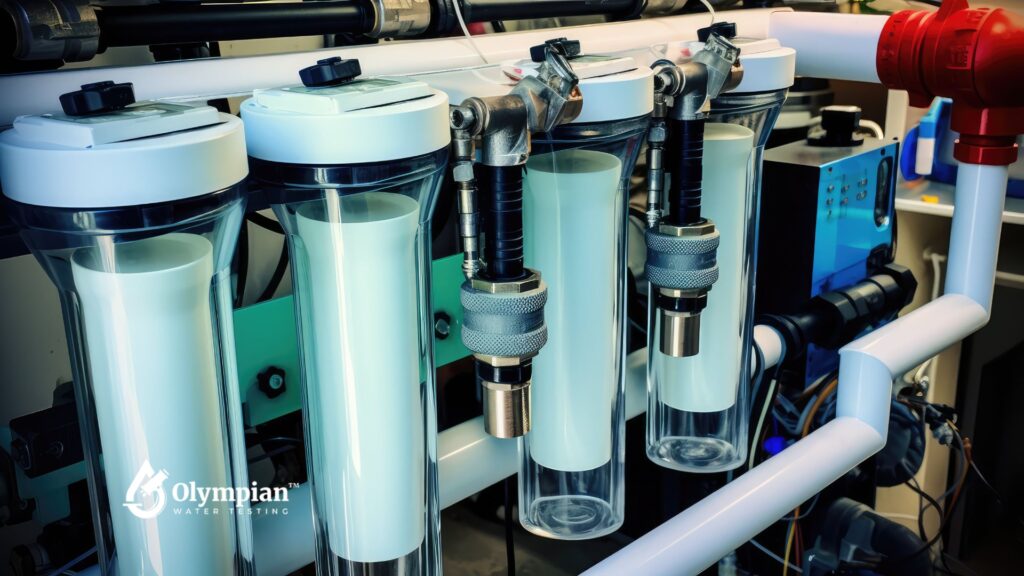
Filtration is a method of removing pathogens and other contaminants from drinking water. The process involves passing the water through a filter, which removes the pathogens and other contaminants, making the water safe to drink. Filtration can be performed using a variety of methods, including sand filtration, activated carbon filtration, and reverse osmosis.
Filtration is a highly effective method of removing pathogens and other contaminants from drinking water, and it can be combined with other methods, such as chlorination or UV disinfection, to ensure the safety of the water. Filtration can be a more expensive method of water treatment, and it requires specialized equipment and personnel, making it a less practical option for some communities.
Cost Comparison
The cost of chlorination compared to other drinking water treatment methods can vary depending on a number of factors, including the size of the water treatment facility, the cost of the equipment and personnel, and the cost of the chemicals or other treatment methods used. Chlorination is considered to be one of the most cost-effective methods of disinfecting drinking water, although the cost can vary depending on the specific circumstances of each community.
In comparison, alternative methods, such as UV disinfection or ozonation, can be more expensive due to the specialized equipment and personnel required. Filtration can also be more expensive, particularly if it is combined with other methods to ensure the safety of the water.
Chlorination is a widely used and effective method of disinfecting drinking water. Like any other method, it also has its pros and cons that must be considered before making a decision about its use. The benefits of chlorination include its effectiveness, cost-effectiveness, and widespread availability, while the drawbacks include potential health risks, taste and odor issues, environmental impact, and limited effectiveness against certain pathogens. Alternative methods, such as UV disinfection, ozonation, and filtration, can also be effective, but they may be more expensive and less practical for some communities. Ultimately, the decision about which method to use will depend on the specific circumstances of each community and the priorities and resources of each community.
The following pie chart illustrates the cost comparison between four popular water treatment methods: Chlorination, UV Disinfection, Ozonation, and Filtration. The costs vary significantly, with chlorination being the most affordable option, and ozonation being the most expensive. Here’s a breakdown of the average costs:
- Chlorination: $0.50 per 1,000 gallons
- UV Disinfection: $4 (average) per 1,000 gallons
- Ozonation: $7.5 (average) per 1,000 gallons
- Filtration: $2 (average) per 1,000 gallons
This chart helps to visually understand the cost difference between these methods, offering a clearer perspective on which method might be most cost-effective for different communities or situations.

Comparing Chlorination with Other Disinfection Methods
The process of disinfecting drinking water needs to take into account a number of variables such as efficiency, cost, environmental impact, and utility. It is cheap and common, but it is limited in ways that warrant trying another process.
UV Desinfection: UV disinfection is extremely effective against many types of bacteria and does not produce any chemical byproducts, it is very environmentally friendly. But it needs special machines and costs more to do than chlorination.
Ozonation: Kills pathogens effectively and is greener than chlorine. Ozonation is especially suited for chlorine-resistant water, but also needs expensive equipment and highly skilled operators, so it’s less affordable for some communities.
Then, Filtration: There are various ways that filtration can remove pathogens and contaminants successfully especially when it’s applied together. It’s multipurpose but also costly and resource-demanding, requires frequent upkeep and expert employees.
Both have pros and cons, and what you choose depends on what your community requires, how much resources you have, and how your community operates.
Conclusion: Evaluating Chlorination in Drinking Water Treatment
Chlorination is still a common and affordable way to disinfect drinking water as it is so simple and effective at controlling the pathogens. But it is a dangerous pathogen for health, for the environment and against some pathogens. Other methods, such as UV disinfection, ozonation, and filtration, work, but at higher cost and complexity. Such considerations need to be weighed in decision making by communities to adopt the best possible and environmentally sustainable water treatment system that delivers safe and clean water for the people who use it.
Share this on social media:
Facebook
Twitter
LinkedIn

Related Posts