What is The Best Natural Way to Filter Water?
- Published:
- Updated: July 5, 2025
Listen to this article
Summary
Natural water filtration offers an eco-friendly and sustainable approach to improving water quality. Various natural methods can be used to filter and purify water, and they often rely on materials such as sand, gravel, plants, and sunlight to eliminate contaminants. These methods can be highly effective, especially when addressing common pollutants like sediment, bacteria, and other physical impurities. While they may not be as comprehensive as advanced artificial filtration systems, natural filters are low-cost, environmentally friendly, and relatively simple to implement at home.
- Sand and Gravel Filtration: A simple and effective method that removes physical impurities and improves clarity by passing water through layers of sand and gravel.
- Activated Charcoal Filters: Known for their ability to absorb chemicals and improve water taste by trapping contaminants like chlorine and toxins.
- Phytoremediation Using Plants: Utilizes plants like water hyacinths to absorb pollutants from the water, enhancing quality in an eco-friendly manner.

Water is a fundamental necessity of life. Yet, the quality of this vital resource is often compromised by various contaminants.
Natural water filtration offers a sustainable solution. It’s a method that harnesses nature’s own purification processes to improve water quality.
But what exactly is the best natural way to filter water? This question is more relevant than ever, as more people seek eco-friendly alternatives to conventional water purification systems.
In this article, we dig into the world of natural water filtration. We’ll explore various methods, their effectiveness, and how they can be implemented at home.
From sand and gravel filters to the use of plants and sunlight, we’ll uncover the science behind these natural processes. We’ll also discuss their advantages, limitations, and suitability for different water quality issues.
Join us on this journey to discover how nature can help us achieve cleaner, safer water.
Understanding Water Quality and Contaminants
Water quality is influenced by a range of factors, both natural and man-made. Contaminants in water can originate from many sources, affecting its safety for human consumption.
These contaminants include microorganisms, chemicals, and physical particles. Common sources are agricultural runoff, industrial discharges, and improper waste disposal.
Ensuring safe water requires effective filtration methods. Natural filtration offers solutions by leveraging natural processes to reduce or eliminate these pollutants.
The Importance of Natural Water Filtration

Natural water filtration stands out for its eco-friendly and cost-effective approach. It uses simple, accessible materials and processes, reducing reliance on chemical treatments and complex machinery.
This method not only safeguards health but also supports environmental sustainability. It helps preserve ecosystems while providing safe water for human consumption.
Common Water Contaminants and Health Impacts
Water contaminants pose significant health risks. Microbial pathogens, such as bacteria and viruses, can lead to diseases like cholera and dysentery.
Chemical pollutants, including lead and pesticides, can cause chronic health issues with prolonged exposure. Physical contaminants, like sediment, may carry additional harmful substances, compounding the risk.
Effective natural filtration methods can mitigate these dangers. They provide a simple yet powerful way to purify water and ensure its safety for everyday use. Understanding these contaminants is the first step toward choosing the appropriate natural filtration solution for your needs.
Regulatory Standards and Natural Filtration Methods

Water quality regulations are essential to protect public health. They set limits on contaminant levels and ensure safe water for various uses. Governments and international bodies develop these standards based on scientific research.
Compliance with these regulations is crucial. It involves regular testing and monitoring, as well as effective filtration strategies. Natural filtration methods can be part of this solution, offering sustainable compliance options.
Exploring natural filtration aligns with regulatory goals. It provides an environmentally friendly approach to meeting water quality requirements. This section explore how these methods compare to conventional options.
Water Quality Regulations and Standards
Regulations like those from the EPA in the U.S. dictate water quality criteria. These rules establish permissible levels of contaminants in drinking water, including chemical, microbial, and physical pollutants.
Adhering to such standards protects public health and environmental integrity. Regular water testing is necessary to ensure that natural filtration methods meet these criteria effectively.
Natural vs. Artificial Water Filtration

Natural and artificial water filtration methods differ significantly in their processes and impacts. Artificial systems often use advanced technology and chemicals to achieve quick results. These systems are effective but can be expensive and environmentally challenging.
Natural filtration, in contrast, relies on biological and physical processes. It harnesses sand, gravel, and plants, avoiding synthetic chemicals. This makes it a sustainable choice with minimal ecological footprint.
Choosing between these methods depends on factors like water quality and specific needs. Understanding these differences helps in selecting the optimal filtration strategy for your home or community, balancing cost, efficiency, and environmental impact.
How to Filter Water Naturally
Filtering water naturally is a simple and sustainable way to ensure access to clean and healthy drinking water. Natural water filtration involves using organic materials or methods that can effectively remove contaminants from water without relying on chemicals or expensive systems. Common natural filters include charcoal, sand, and plants like reeds, all of which have the ability to remove impurities such as bacteria, sediments, and heavy metals. These solutions not only purify water but also contribute to a more eco-friendly lifestyle.
A natural water filter can be set up in various ways depending on your needs. For example, activated charcoal is often used to filter out toxins, while sand and gravel can help in removing particles and larger contaminants. By using these natural materials, you can create an effective filtration system that is low-cost, easy to maintain, and chemical-free. Whether you’re looking to purify water at home or for outdoor activities, incorporating natural water filtration methods is an excellent choice for anyone seeking a healthier, more sustainable way to filter their water.
Sand and Gravel Filtration

Sand and gravel filtration is one of the oldest natural methods. It uses layers of sand and gravel to remove particles and some bacteria.
Water passes through these layers, trapping impurities and improving clarity. This method is simple and effective but may require regular maintenance to ensure optimal performance.
Activated Charcoal Filters

Activated charcoal is known for its exceptional absorption properties. It removes impurities by trapping chemicals, chlorine, and toxins on its surface.
Used in home filtration systems, it significantly enhances taste and safety. Charcoal filters are easy to use and replace, making them convenient for household use.
Ceramic Filters

Ceramic filters offer a natural approach to pathogen removal. These filters have small pores that block bacteria and protozoa but allow water to flow through.
Widely used in home settings, ceramic filters are durable and easy to clean, providing long-term water filtration solutions with high reliability.
Biosand Filters
Biosand filters combine layers of sand, gravel, and a biological layer. This biofilm layer helps break down contaminants, enhancing filtration efficiency.
Ideal for home use, biosand filters are low-cost and require little maintenance once set up. They are effective in providing clean and safe drinking water.
Solar Water Disinfection (SODIS)

SODIS uses sunlight to kill pathogens in water. It involves exposing clear bottles filled with water to direct sunlight for several hours.
This method is simple and eco-friendly, requiring only sunlight and plastic bottles. While effective in pathogen removal, it may not remove chemical contaminants.
Phytoremediation Using Plants
Certain plants can purify water naturally, absorbing pollutants and toxins. This method, known as phytoremediation, relies on plants like water hyacinths.
Using plants for water purification is both sustainable and beautiful. It enhances water quality while promoting biodiversity in home water gardens or constructed wetlands.
Advantages and Limitations of Natural Water Filters
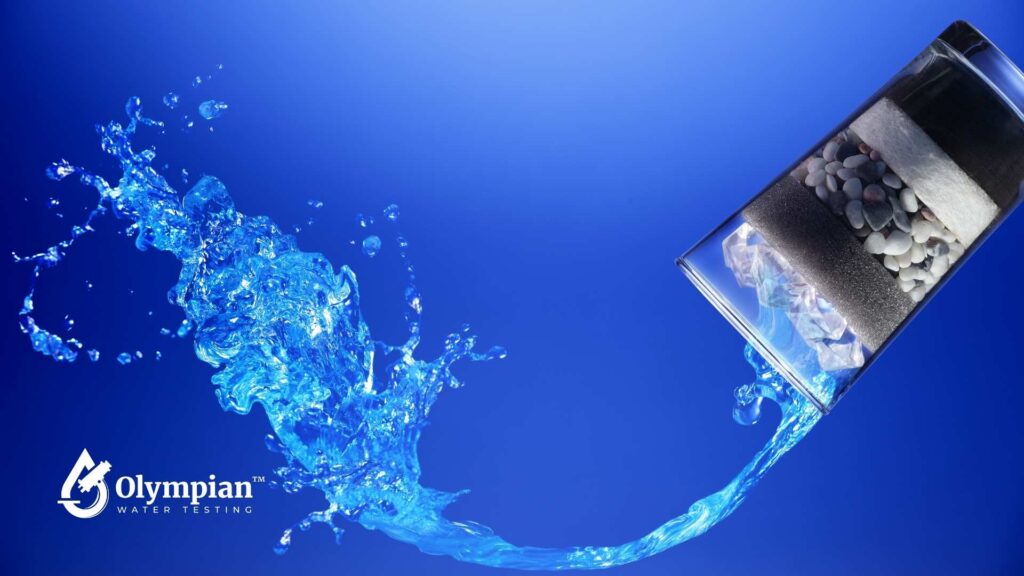
Natural water filters offer several advantages, including sustainability and low environmental impact. They use easily accessible materials and processes, making them viable for many households.
However, natural filters also have limitations. They may not completely remove all contaminants, particularly chemicals and heavy metals, requiring additional methods for comprehensive filtration.
Effectiveness and Sustainability
The effectiveness of natural water filters largely depends on the specific contaminants present. They excel in removing physical impurities and some bacteria.
Sustainability is a key benefit. Using renewable materials and low-energy processes reduces the ecological footprint compared to conventional systems, aligning with sustainable living goals.
Cost and DIY Solutions

Natural water filtration methods are often cost-effective. Many materials are inexpensive or even free, reducing overall expenses.
DIY solutions allow for customization, tailoring filtration methods to specific water quality needs. Building your own filter can be an engaging and educational experience, further lowering costs.
Limitations and Considerations
Despite their benefits, natural filters have limitations. They might not address all types of contaminants, especially in heavily polluted water sources.
Regular maintenance is essential. Users must consider the need for frequent cleaning and monitoring to ensure continued effectiveness, as well as possible combinations with other filtration systems.
Implementing Natural Water Filtration at Home

Implementing natural water filtration at home can be both practical and rewarding. These methods provide a sustainable way to ensure water safety.
Start by identifying the most suitable natural filter for your specific needs. Consider factors like water source contamination levels and available materials.
Step-by-Step Guide to Building a Natural Water Filter
Building a natural water filter at home is feasible with basic materials. These steps will guide you through the process.
- Gather Materials: Collect sand, gravel, activated charcoal, and a container (like a plastic bottle or bucket).
- Prepare the Container: Cut the bottle’s base, allowing for easy access. You’ll layer your materials within this container.
- Layer the Materials: Begin with a layer of gravel at the bottom, followed by sand and then activated charcoal. Each layer should be a few inches thick.
- Secure and Test: Secure a clean cloth over the mouth of the container to keep materials from spilling. Pour water through the filter, collecting it in a separate container. Check for clarity and odor. Repeat filtration if necessary.
Maintenance and Regular Water Testing
Maintaining your natural water filter is crucial for consistent performance. Regular cleaning of the materials is essential to avoid clogging.
Monitor water quality periodically. Testing can identify any issues early, ensuring your filter remains effective. If contamination persists, adjusting the filter layers or combining methods may be needed.
Conclusion: The Future of Natural Water Filtration
Natural water filtration methods continue to evolve, offering promising solutions for clean water access. These methods complement existing technologies while providing eco-friendly alternatives.
Future developments will likely enhance the efficiency and accessibility of natural filtration systems. As more people recognize their potential, adoption and innovation are expected to increase.
Share this on social media:
Facebook
Twitter
LinkedIn

Related Posts