Exploring the Water Quality Challenges of Manhattan's Hudson River
- Published:
- Updated: January 4, 2025
Listen to this article
Summary
Explore the water quality challenges facing Manhattan’s iconic Hudson River:
- Importance of the Hudson River: Discover the historical, ecological, and recreational significance of the Hudson River for Manhattan and its residents.
- State of Water Quality: Learn about the ongoing pollution issues, including industrial pollutants like PCBs, urban runoff, and combined sewer overflows (CSOs), affecting the river’s health.
- Impact on Wildlife: Understand how poor water quality threatens the diverse wildlife of the Hudson River, from fish contaminated with PCBs to harmful algal blooms.

Join us for a journey through the water quality crisis facing Manhattan’s historic Hudson River, a river that forms part of the fabric of the city. Even with a great deal of revitalisation done over the years, the river still struggles with pollution and ecological issues that affect its water quality. We learn about the causes of pollution, current conservation, and the delicate balance between built environment and ecology by examining the many moving parts that make up the Hudson River and the quest for healthy water in Manhattan’s centre.
Why is the Hudson River important to Manhattan?
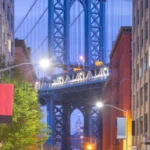
The Hudson River, a 315-mile watercourse that runs from the Adirondack Mountains to the Atlantic Ocean, is a receptacle of New York City and, more precisely, Manhattan. The river was once one of the core sectors of the city’s economy, and a critical conduit for commodities and people. The Hudson remains hugely important today, and is an open-air recreation centre for boating, fishing and swimming, its shores adding scenic grandeur to Manhattan’s skyline.
The ecosystem of the river is also home to a large number of animals, so it is a crucial ecological resource. Every animal that lives and breeds depends on the Hudson, from birds to fish to waterfowl. The health of the Hudson River is therefore not only a matter of safeguarding a monument to our love, it’s a matter of safeguarding a natural system.
Understanding the State of the Hudson River's Water Quality
The Hudson River’s water quality has suffered catastrophically in the decades since, when industrialisation and urbanisation came threateningly close. The Hudson has made a start on cleaning up, but it still struggles with polychlorinated biphenyls (PCBs), heavy metals and wastewater run-off.
These pollutants aren’t only bad for the environment of the river, but they can also have adverse effects on humans. Water contamination in rivers can cause everything from flu to cancer. The Hudson’s water quality is only one part of the puzzle to solving.
How Dirty is the Hudson River?
The Hudson River water quality has significantly improved over the past few decades, but it still faces challenges related to pollution and contamination. Historically, the river suffered from industrial waste, sewage, and agricultural runoff, which led to high levels of toxins, including PCBs (polychlorinated biphenyls). While environmental efforts, such as the EPA’s Superfund cleanup programs, have made great strides in reducing pollution, certain areas of the river still experience higher contamination levels, especially in the lower portions near New York City.
Despite these improvements, many people still wonder, "Is the Hudson River dirty?" In some areas, the water quality can still be compromised by pollutants, especially during heavy rainfall when combined sewer overflows occur. However, the river is much cleaner today, and ongoing efforts to address environmental concerns continue to make it safer for recreation and wildlife. Regular water testing ensures the public is informed about the current state of Hudson River water quality.
Industrial Pollutants and Their Impact
Among the worst pollutants to have polluted the Hudson River were industrial chemicals, including PCBs. For decades, riverside factories – most famously, General Electric – pumped PCBs into the river, launching one of the worst environmental disasters in U.S history.
These PCBs – now likely human carcinogens – build up in the environment and can be around for decades, and can be very toxic to wildlife and humans alike. Though the Hudson has been sanitised of PCBs, this industrial pollution remains in the river’s water.
Urban Runoff and Its Consequences
Water quality in the Hudson is also a product of urban runoff from Manhattan and other parts of the city. With rainfall, water moves down roads and other hard surfaces to take oil, pesticides, litter and animal excrement and dump it into the river. This runoff can be degraded, impact wildlife and render the river unfit for use.
Managed and mitigated urban runoff is vital for improving the Hudson’s water quality. These can be things such as increasing green space to capture rainfall, installing rainwater harvesting and teaching the public how to dispose of dangerous household waste.
Combined Sewer Overflows (CSOs) and Water Quality
There’s also a huge problem with Hudson River water quality: combined sewer overflows (CSOs). New York City’s sewer line pipe in stormwater runoff and sanitary sewer. During intense storms, they can get overwhelmed, and sewage and stormwater end up going right into the Hudson River.
CSOs also can have devastating effects on water quality — generating high concentrations of pathogens that can be deadly for humans and detrimental to aquatic life. This issue can only be addressed by investing in infrastructure improvement projects and sustainable stormwater systems.
Effects of Poor Water Quality on River Wildlife
The water quality problems in the Hudson River have deep consequences for the river’s wildlife. The PCBs and heavy metals in fish can build up in them and make them unfit for human consumption, interfering with reproductive functions and health. So too can these pollutants injure birds and other animals that depend on the river for sustenance and habitat.
What’s more, sewer back-ups can create noxious algae blooms that reduce oxygen in the water, creating ‘dead zones’ where animals can’t survive. At the same time as putting the river’s diversity at risk, these water quality problems threaten to break down the whole Hudson River ecosystem.
What Can Residents Do to Help?
Residents and visitors of Manhattan have a vital role to play in improving the Hudson River’s water quality. Individual actions can make a significant difference. Here are a few practical ways you can help:
- Proper waste disposal: Ensure hazardous materials, litter, and pet waste are disposed of properly, not on streets or in storm drains where they can end up in the river.
- Use less water during rainstorms: By using less water during heavy rains, you can help reduce the burden on the city’s combined sewer system and decrease the likelihood of overflows.
- Support green infrastructure: Advocate for more green spaces and rain gardens in your neighborhood, which can help absorb rainwater and reduce runoff.
- Get involved: Join local clean-up events, support environmental organizations, and stay informed about the Hudson’s health.
Initiatives for Improving Hudson's Water Quality
These are all difficulties, though significant steps have been taken to make the Hudson’s water better. Other organizations such as Riverkeeper and the Hudson River Foundation spend a lot of time monitoring the river, advocating for clean water legislation and informing the public about the Hudson’s water quality problems.
There are also state programs, like the Hudson River PCBs Superfund Site, to remove pollution that is already present. Also in New York City, the Department of Environmental Protection works to mitigate CSOs by infrastructure renovations and green infrastructure construction. These are steps towards the future of Hudson River health.
Share this on social media:
Facebook
Twitter
LinkedIn
Next Article:

Related Posts